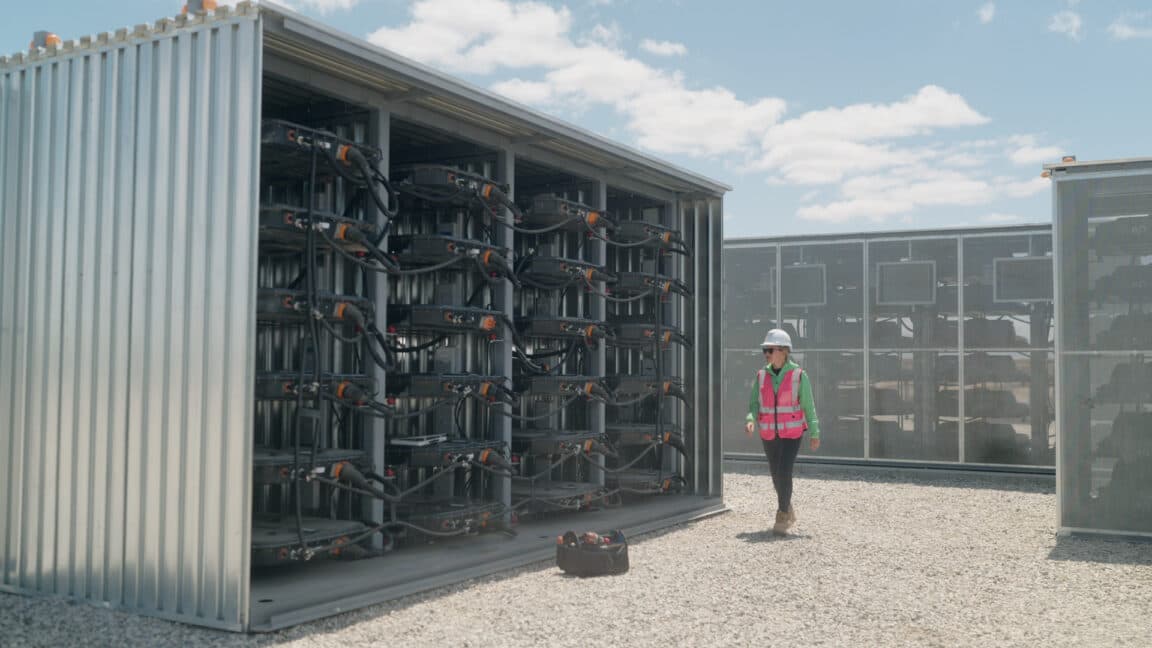
Waymo is repurposing its retired electric vehicle batteries for backup power storage in California and Texas, avoiding the scrap heap. The Google-owned robotaxi company is teaming up with energy storage firms to give used battery packs from its autonomous vehicle fleet a new purpose, transforming old taxi tech into large-scale backup power.
What’s Actually Happening Here
Just because an EV battery pack gets removed from a car doesn’t mean it’s useless. Typically, it can’t hold enough charge to power a vehicle reliably, but it might still have 70% or 80% of its original capacity left. That’s still a lot of energy storage potential for stationary uses, like keeping the lights on during outages or storing solar energy collected throughout the day.
Waymo’s fleet operates its robotaxis intensively, covering more miles per day than most personal vehicles. This speeds up battery wear, leading to quicker turnover of battery packs compared to consumer EVs. As a result, Waymo has a consistent flow of used packs exiting service. They’ve discovered a smarter way to handle this than simply disposing of them.
The batteries are redirected into stationary energy storage systems, which are large battery banks linked to the electrical grid, in California and Texas. Both states are heavily investing in renewable energy. This creates a challenge: solar panels produce electricity when the sun is shining, but demand peaks during the evening. Storage systems help bridge that gap, storing power until it’s needed.
Why This Partnership Makes Sense
For Waymo, this move helps cut the costs and complexity associated with battery disposal. Lithium-ion batteries, the type used in EVs and most consumer electronics, need careful handling at the end of their life. By finding a reuse market, Waymo avoids the full cost of recycling and might even generate revenue from packs that would otherwise be a liability.
For grid operators, second-life EV batteries offer a more affordable alternative to brand-new storage systems. New lithium-ion battery packs come at a high price. Used ones, even sold at a discount, can significantly lower the initial investment needed for expanding storage capacity, a major hurdle in renewable energy adoption.
Think of it as opting for a refurbished phone instead of buying new. It might not hold a charge as long, but for many purposes, it does the job at a much lower cost.
| Waymo’s operational markets | San Francisco, Los Angeles, Phoenix, Austin |
|---|---|
| Battery reuse states | California and Texas |
| Typical EV battery remaining capacity at vehicle retirement | ~70–80% of original |
| Waymo rides given (as of early 2025) | Over 1 million per month |
California and Texas: Why These Two States?
The choice of California and Texas is strategic. California has some of the most ambitious renewable energy goals in the nation and faces challenges with grid reliability during heat waves. Texas operates its own isolated power grid, the ERCOT system, which struggled during the 2021 winter storm and has since focused on increasing backup capacity. Both states have strong financial and regulatory incentives to expand energy storage quickly.
Grid-scale storage in these areas helps utilities manage the “duck curve.” This refers to the dip and rise in electricity demand that occurs when solar generation drops sharply in the late afternoon, just as people come home, start cooking, running AC, and charging their EVs. Battery storage fills that gap by discharging stored solar energy during peak evening demand.
What This Means for Everyday People
If you live in California or Texas, this initiative could help make your electricity supply more reliable and possibly cheaper. More grid storage allows utilities to rely more on affordable solar and wind power, reducing their need to activate costly natural gas “peaker” plants during high-demand times, which drive up electricity prices.
More broadly, this shows that the EV industry is maturing. The first wave of electric vehicles has aged enough for their battery packs to start reaching the end of their life. The industry is figuring out how to manage these batteries. A functional second-life market keeps materials in use longer before recycling, cutting down on waste and environmental impact.
For consumers worried about EV battery lifespan, programs like this provide some reassurance. They indicate that even when your EV battery is “done,” it can still hold value, potentially influencing resale prices and trade-in programs.
Community Reactions
“This is exactly the kind of circular economy thinking we need. Stop treating used batteries as waste when they still have significant capacity left.”
— u/GridEngineerActual, Reddit r/RenewableEnergy
“Smart move by Waymo. They’re generating a ton of used packs, and this turns a disposal problem into a revenue stream. Other fleet operators should be watching this closely.”
— YouTube commenter on Ars Technica’s coverage
What To Watch
- Scale of deployment: Waymo hasn’t shared exactly how many battery packs are going into these projects or the total storage capacity they represent. Details on project size will clarify how significant this effort actually is.
- Other fleet operators: If this model proves financially viable, expect other large EV fleet operators like Amazon delivery vans or Uber’s electrified partners to consider similar setups.
- Federal incentives: The Inflation Reduction Act includes tax credits for grid storage projects. Whether second-life batteries qualify is still being determined, and that answer could greatly influence how quickly this model expands.
- Battery recycling competition: Companies like Redwood Materials are developing complete recycling systems for EV batteries. Watch for tension between the recycling and second-life markets as more packs retire in the coming years.
Sources: Ars Technica | Mashable

Daniel Park
Daniel Park covers AI, cloud infrastructure, and enterprise software for Explosion.com. A former software engineer who transitioned to technology journalism 5 years ago, Daniel brings technical depth to his reporting on artificial intelligence, startup funding rounds, and the companies building the future of computing. He breaks down complex AI developments and business strategies into clear, actionable insights for readers who want to understand how technology is reshaping industries.