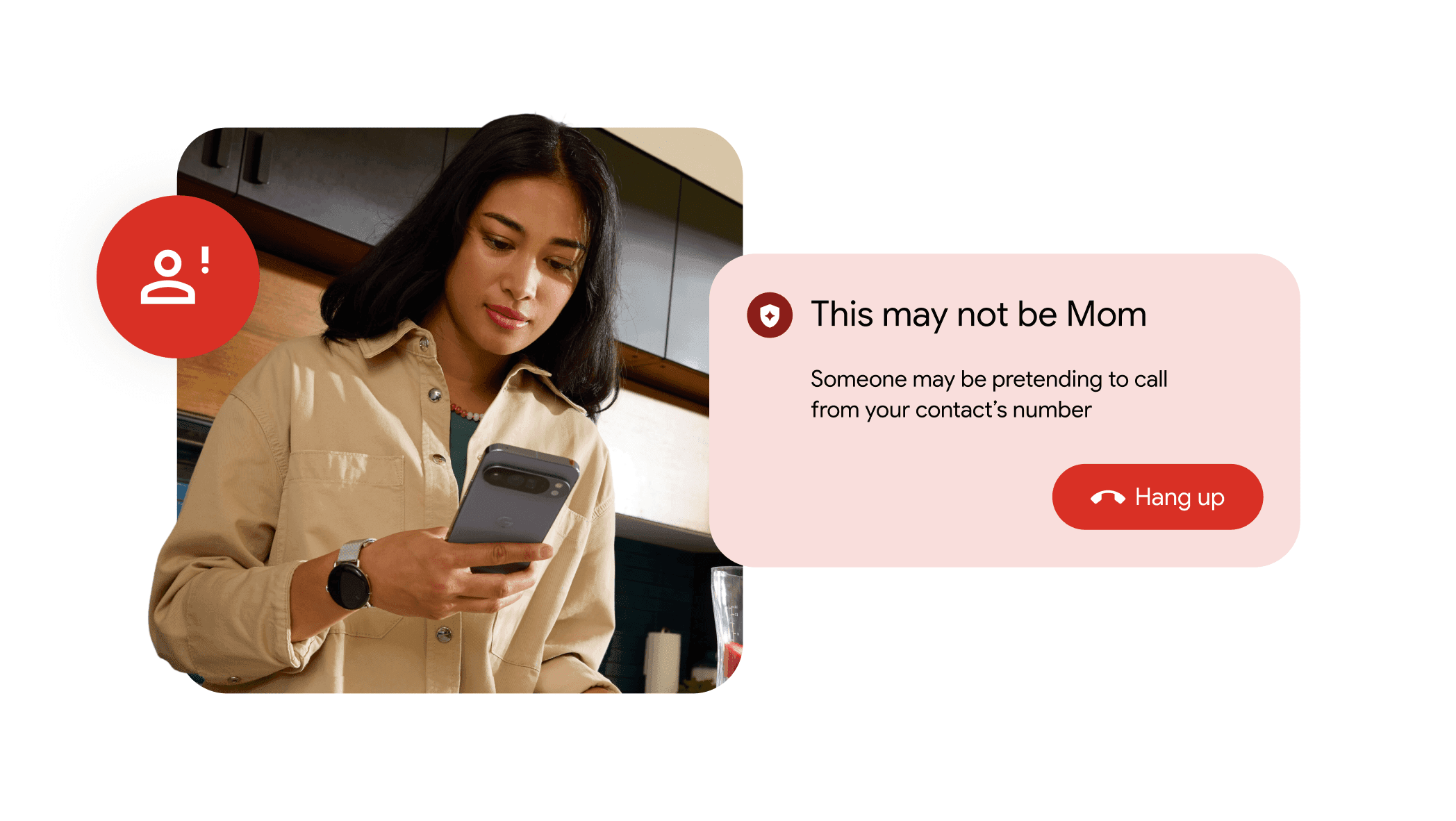
Google is introducing a feature in its Phone app designed to flag calls from scammers who pretend to be contacts saved in your phone. This aims to provide Android users with a direct defense against the rising threat of AI voice cloning fraud.
What’s Actually Happening
This update focuses on a specific type of scam where a fraudster fakes the caller ID of someone familiar, like your mom or your bank. They use AI-generated audio to sound just like that person. Since the number looks familiar, people tend to answer. The Phone app will now check incoming call numbers against your saved contacts and warn you if something seems off, encouraging you to hang up before any conversation starts.
Think of it like a club bouncer checking IDs. Just because someone wears the right jacket doesn’t mean they’re on the list. The app checks whether the caller’s details match their claims.
This change comes as scammers adapt to the fact that many people now ignore calls from unknown numbers. By spoofing a trusted contact’s number and using an AI-generated voice, they’ve found a way around that instinct. According to TechCrunch, this tactic often targets authority figures, family members, and employers.
How the Detection Works
Google hasn’t shared all the technical details, but it looks like the feature works on your device. This means your contact data isn’t sent to Google’s servers for comparison. The Phone app checks the incoming number against your saved contacts locally. If a number claims to be a contact but shows signs of spoofing, you’ll see a warning on your screen.
This differs from Google’s existing spam detection, which flags unknown numbers without a history. This new feature specifically looks for calls that are pretending to be known numbers, which is a tougher and riskier challenge.
By The Numbers
| Data Point | Detail |
|---|---|
| Company | Alphabet / Google (GOOGL) |
| Stock Price | $365.89 (+1.92%) |
| CEO | Sundar Pichai |
| Headquarters | Mountain View, CA |
| Founded | 1998 |
| Feature | AI impersonation call detection in Phone by Google |
| Platform | Android (Phone by Google app) |
Why Scammers Shifted to This Tactic
Scammers have changed their tactics in response to how people use phones today. Caller ID awareness campaigns and spam-blocking apps have taught many to avoid calls from unknown numbers. This strategy has worked to some extent. So, scammers have decided to fake known numbers instead.
AI voice cloning tools have made this much easier. What used to require expensive equipment and a talented voice actor can now be done quickly with just a few seconds of audio from a public social media video. Some tools can clone a voice in under a minute. The result? A phone call that sounds just like someone you trust asking for money, passwords, or to stay calm during a “crisis.”
What This Means for Everyday Users
If you have an Android phone with the Google Phone app, you should see this protection roll out automatically with an app update. There’s no need for any new setup. When you receive a call that the app suspects might be spoofed, you’ll see a warning on your screen before you answer.
This feature won’t catch every scam. It specifically targets spoofed contact numbers, so calls from numbers you’ve never saved won’t be affected. It won’t stop a scammer who manages to spoof a number convincingly enough to pass the check. But for a large category of AI-assisted fraud, it adds an important layer of protection.
Currently, Apple hasn’t announced a similar feature for iPhone users. This matters since both platforms face these scams.
The best advice remains: if a call from someone you know feels off, hang up and call them back using the number you have saved. But this new feature gives Android users an automatic second opinion before they say hello.
Community Reaction
Initial responses to the announcement have been mixed. Some Android users appreciate the feature but wonder how often it will mistakenly flag legitimate calls from family members.
“This is good in theory but I’m curious how many false flags it’ll throw. My dad calls from different phones all the time and his number is definitely saved.” — Reddit user via r/Android
“AI voice scams nearly got my grandmother last year. She was on the phone for 20 minutes thinking it was me in trouble. Anything that adds a warning label to these calls is worth having.” — YouTube commenter on The Verge’s coverage
Sources
- The Verge: Google’s Phone app will tell you if a scammer is impersonating one of your contacts
- TechCrunch: Google rolls out fake call detection to protect against AI deepfake impersonation scams
What To Watch
- Rollout timing: Google hasn’t confirmed a specific date for all users. Keep an eye out for an update to the Phone by Google app in the coming weeks.
- Apple’s response: It’ll be interesting to see if Apple announces a similar feature for iPhone in iOS 20, expected to be previewed at WWDC in June 2026.
- Accuracy reports: Once the feature is widely available, user feedback on false positive rates will be crucial to determine if it’s reliable enough without causing alert fatigue.
- Regulatory pressure: Both the FTC and FCC are looking into AI voice fraud. Google’s move could prompt regulators to push carriers to adopt similar detection methods at the network level.

Ava Mitchell
Ava Mitchell is a digital culture journalist at Explosion.com covering social media platforms, streaming services, and the creator economy. With 4 years reporting on TikTok, Instagram, YouTube, and the apps that shape daily life, Ava specializes in explaining platform policy changes and their impact on everyday users. She previously managed social media strategy for a tech startup, giving her firsthand experience with the platforms she now covers.