
Microsoft Build 2026: Copilot Takes Center Stage in Windows Overhaul
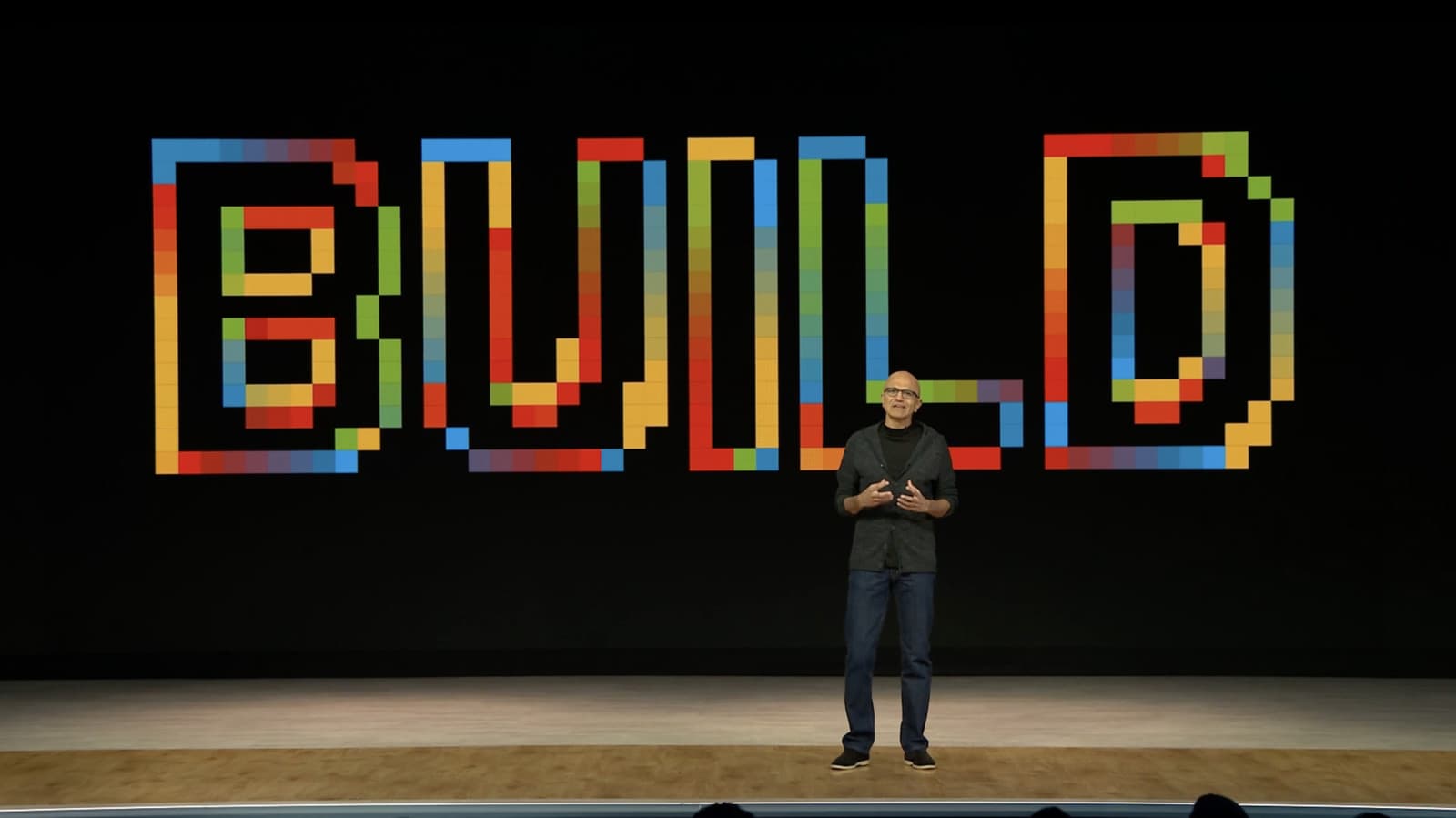
REDMOND, WA – Microsoft kicked off its annual Build developer conference today, with CEO Satya Nadella revealing an ambitious vision for the future of Windows and artificial intelligence. The company plans to integrate Copilot (Microsoft’s AI assistant) deeply across the operating system and its developer tools. The keynote lasted over two and a half hours, focusing on making AI not just an add-on, but the essential intelligence layer that powers user experiences and drives developer innovation.
Nadella painted a picture of a future where every interaction, whether it’s coding or creating content, is effortlessly enhanced by AI. “We are moving beyond AI as a separate application to AI as the fundamental fabric of computing,” he remarked, signaling the dawn of a new era for Windows built around intelligent assistance. On-the-ground sources confirmed that Windows and Copilot were the main highlights, a focus that felt both expected and significant.
By The Numbers: Microsoft
| Ticker | MSFT |
|---|---|
| Stock Price | $427.34 (-3.17%) |
| Sector | Big Tech |
| CEO | Satya Nadella |
| Headquarters | Redmond, WA |
| Founded | 1975 |
Copilot Everywhere: A Deeper AI Integration
The standout news was Copilot’s transformation from a helpful sidebar to an all-encompassing force within Windows. Microsoft introduced a new version, tentatively called “Copilot Pro,” which will feature improved contextual awareness and proactive support. This isn’t just about answering questions anymore; it’s about the AI anticipating what you need.
Windows OS Gets an AI Brain
Nadella presented several groundbreaking features coming to Windows, all powered by Copilot:
- Intelligent Search & Recall: Picture searching for a specific document you vaguely recall from last week. Copilot can now comb through your entire digital history – emails, web pages, local files, and even conversations – to locate exactly what you need, using natural language queries. It’s like having a supercharged memory assistant for your digital life.
- Proactive Workflow Optimization: Copilot learns your daily habits and suggests ways to simplify tasks. For example, if you regularly open a specific set of applications for a morning meeting, Copilot could pre-load them and even summarize relevant emails before you sit down.
- Creative Co-Pilot for Apps: Beyond basic text generation, Copilot is being integrated more deeply into Microsoft 365 applications (like Word, Excel, and PowerPoint) and even third-party apps. Think of it as an artistic partner in Photoshop, suggesting edits or generating variations, or a data analyst in Excel, spotting trends and constructing complex formulas with simple commands.
These features mark a shift from reactive AI to proactive, context-aware assistance. The goal is to make technology feel less like a tool and more like a natural extension of your thoughts. CNET’s live coverage emphasized how Copilot is becoming a “central nervous system” for Windows.
Developer Tools & AI: Building the Future
At its core, Microsoft Build is a developer conference, and this year was no different. Nadella outlined significant improvements in AI tools for developers, simplifying the process of building AI-powered applications and integrating Copilot’s capabilities.
Azure AI Studio & Custom Copilots
A major highlight was the expansion of Azure AI Studio, Microsoft’s cloud platform for creating and deploying AI models. Developers will have more control over customizing Copilot’s underlying models for specific industry needs. For instance, a financial institution could train a version of Copilot specifically on market data and regulations, while a healthcare provider could develop one optimized for medical records and patient interactions. This idea of “Custom Copilots” allows businesses to inject their unique knowledge into the AI.
New APIs and SDKs
To support this, Microsoft launched a suite of new Application Programming Interfaces (APIs) – which are sets of rules that let different software programs communicate – and Software Development Kits (SDKs) that help developers create applications. These new tools aim to make it easier for developers to leverage Copilot’s intelligence, allowing them to embed AI features directly into their applications without needing to be AI experts.
What This Means for You
For everyday users, these announcements hint at a future where your computer and software become much smarter and more helpful. Imagine spending less time searching for files, minimizing repetitive tasks, and enjoying more creative freedom with AI as your digital assistant. Tasks that used to involve multiple steps or specialized knowledge could become as easy as a spoken command or a few clicks. Your operating system won’t just run programs; it’ll actively help you achieve your goals, learn your preferences, and even anticipate your next move.
However, this increased intelligence raises concerns about privacy and data security. Microsoft reiterated its commitment to responsible AI, but the sheer volume of data Copilot will handle to deliver personalized experiences means you’ll need to pay more attention to your data settings and permissions.
Community Reactions
The news sparked mixed reactions across online communities.
“Okay, the proactive workflow stuff sounds genuinely useful. If my PC can actually pre-load my morning apps and summarize emails, that’s a huge time-saver. But I’m also a bit wary of how much data it’ll be slurping up.” – u/TechSavvySam on Reddit
“Another ‘AI everywhere’ push. I just want my Windows to be fast and stable, not constantly trying to ‘help’ me. Hope there are clear ways to turn off the more intrusive features.” – GamerDude247 via YouTube comments
What To Watch
Microsoft’s vision for an AI-powered Windows and Copilot is ambitious, but the rollout will happen gradually. Developers will likely gain early access to the new Azure AI Studio features and SDKs in the coming months. Broader consumer access to the advanced Windows Copilot features is expected in late 2026 or early 2027. We’ll keep an eye out for specific release dates for “Copilot Pro” and the next major Windows update that will include these deep AI integrations. Expect more details and developer sessions throughout the Build conference this week, focusing on how to use these new AI capabilities responsibly and effectively. The next few years will test Microsoft’s ability to deliver on this promise of an intelligent, AI-first operating system.

Ava Mitchell
Ava Mitchell is a digital culture journalist at Explosion.com covering social media platforms, streaming services, and the creator economy. With 4 years reporting on TikTok, Instagram, YouTube, and the apps that shape daily life, Ava specializes in explaining platform policy changes and their impact on everyday users. She previously managed social media strategy for a tech startup, giving her firsthand experience with the platforms she now covers.


