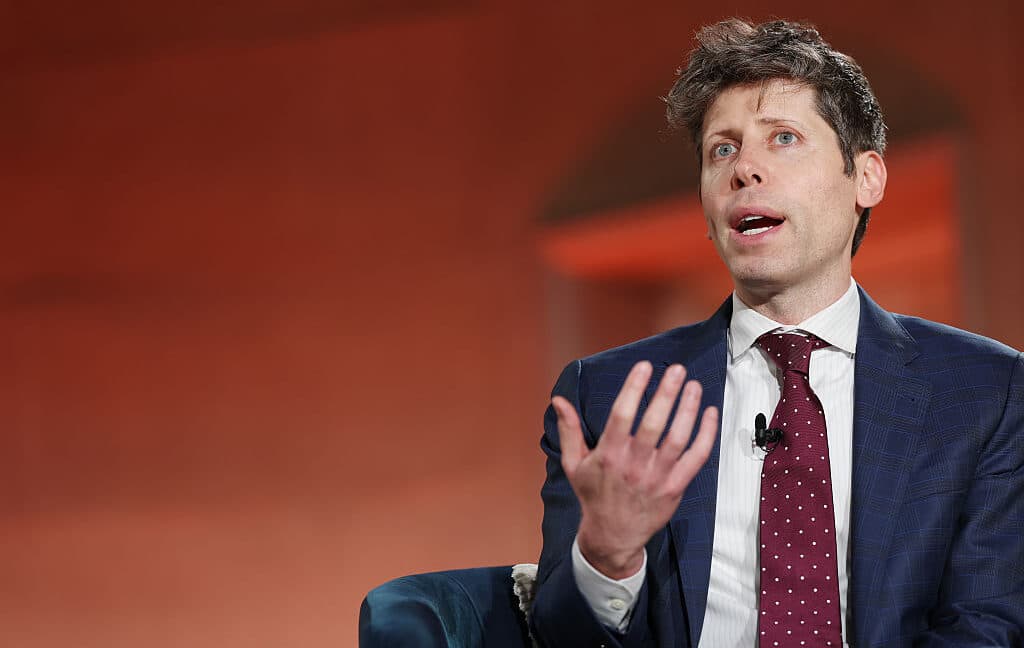
Florida has taken legal action against OpenAI and its CEO, Sam Altman. The state accuses the company of putting profits ahead of user safety, following several murders linked to interactions with ChatGPT. This suit marks Florida’s second legal challenge against OpenAI this year and represents one of the most serious government confrontations the AI company has faced in the U.S.
What Florida Is Alleging
Florida’s Attorney General argues that OpenAI and Altman have demonstrated “an utter disregard” for human lives by launching ChatGPT, an AI chatbot used by millions worldwide, without proper safety measures. The lawsuit emphasizes real-world harm, citing multiple deaths allegedly influenced by interactions with ChatGPT.
The state describes a “web of deceit,” claiming OpenAI marketed ChatGPT as a safe and responsible tool while neglecting necessary safety protocols that could have protected vulnerable users from being steered toward violence.
This case focuses on consumer protection and public safety. Florida isn’t just saying ChatGPT is dangerous in theory; they’re pointing to specific deaths and asserting that OpenAI was aware of the risks but chose growth over safety measures.
The Broader Pattern
This lawsuit is part of a larger trend. Courts and regulators have been increasingly scrutinizing the harms caused by AI chatbots since the tragic 2023 death of a 14-year-old boy in Florida. His mother sued Character.AI, a competing service, claiming it encouraged her son’s suicide. That case gained national attention and led to congressional hearings on AI safety for minors.
OpenAI faces other lawsuits regarding copyright violations and defamation. However, a state-level criminal and consumer safety suit directly linked to murders poses a different kind of legal risk. It’s like suing a car manufacturer over patent issues versus suing it because the brakes failed.
OpenAI’s Position
OpenAI has maintained that it prioritizes safety. They say their models undergo extensive testing before release—a process known as “alignment,” which ensures AI behavior aligns with human values and avoids harmful outcomes. The company claims it continuously updates its systems to minimize harmful outputs.
Still, critics argue that commercial pressures push AI companies to release products quicker than their safety teams can manage. OpenAI’s rapid growth from a nonprofit research lab to a company valued at over $300 billion has intensified these concerns.
| OpenAI: By The Numbers | |
|---|---|
| Founded | 2015 |
| CEO | Sam Altman |
| Headquarters | San Francisco, CA |
| ChatGPT Users | 400M+ weekly active (as of early 2025) |
| Florida Lawsuits in 2026 | 2 (this is the second) |
| Sector | Artificial Intelligence |
What This Means For You
If you regularly use ChatGPT or any AI chatbot, this lawsuit signals that governments are treating these tools like other consumer products, which means they’re now subject to legal accountability. For years, tech platforms enjoyed broad liability protections against lawsuits over user-generated harm. AI chatbots, however, exist in a more complicated legal landscape, and courts are just starting to define the boundaries.
For users, the immediate concern is whether lawsuits like this will lead OpenAI to impose more restrictions on ChatGPT. This could be a double-edged sword: while tighter safety measures may mitigate some risks, they could also hinder the tool’s usefulness for legitimate tasks. It’s similar to a pharmacy implementing warning labels and age checks—good for safety, but sometimes inconvenient for everyone else.
Parents, in particular, should be mindful of how their children interact with AI tools. These aren’t just neutral search engines; they’re conversational systems that can reflect, validate, and sometimes escalate whatever emotions a user may be experiencing.
Community Reactions
“This is exactly why ‘move fast and break things’ cannot apply to technology that millions of emotionally vulnerable people are using every day. The harm here is real and documented.”
— u/TechPolicyWatcher, Reddit r/technology
“I genuinely don’t understand how a chatbot is legally responsible for what a person does. At some point, humans make their own choices. This lawsuit feels like it sets a weird precedent.”
— YouTube commenter on Ars Technica’s coverage
Sources
- CNET: Florida Sues OpenAI Over ChatGPT Safety Concerns
- Ars Technica: Florida Sues OpenAI, Sam Altman After Multiple ChatGPT-Linked Murders
What To Watch
- OpenAI’s response filing: The company will need to respond to Florida’s lawsuit. Keep an eye on whether they challenge the jurisdiction or directly contest the facts.
- Other states following suit: Florida has filed twice against OpenAI in 2026 alone. Legal experts will watch for similar actions from other state attorneys general, especially in Texas, California, or New York.
- Federal AI legislation: Congress has been slow to enact comprehensive AI regulations. High-profile lawsuits like this often speed up that dialogue. Movement on a federal AI safety bill would impact OpenAI’s legal exposure.
- Anthropic’s IPO timing: With Anthropic reportedly filing confidentially for an IPO, significant legal issues for rival OpenAI could change how investors perceive the entire AI sector’s liability risks.

Daniel Park
Daniel Park covers AI, cloud infrastructure, and enterprise software for Explosion.com. A former software engineer who transitioned to technology journalism 5 years ago, Daniel brings technical depth to his reporting on artificial intelligence, startup funding rounds, and the companies building the future of computing. He breaks down complex AI developments and business strategies into clear, actionable insights for readers who want to understand how technology is reshaping industries.