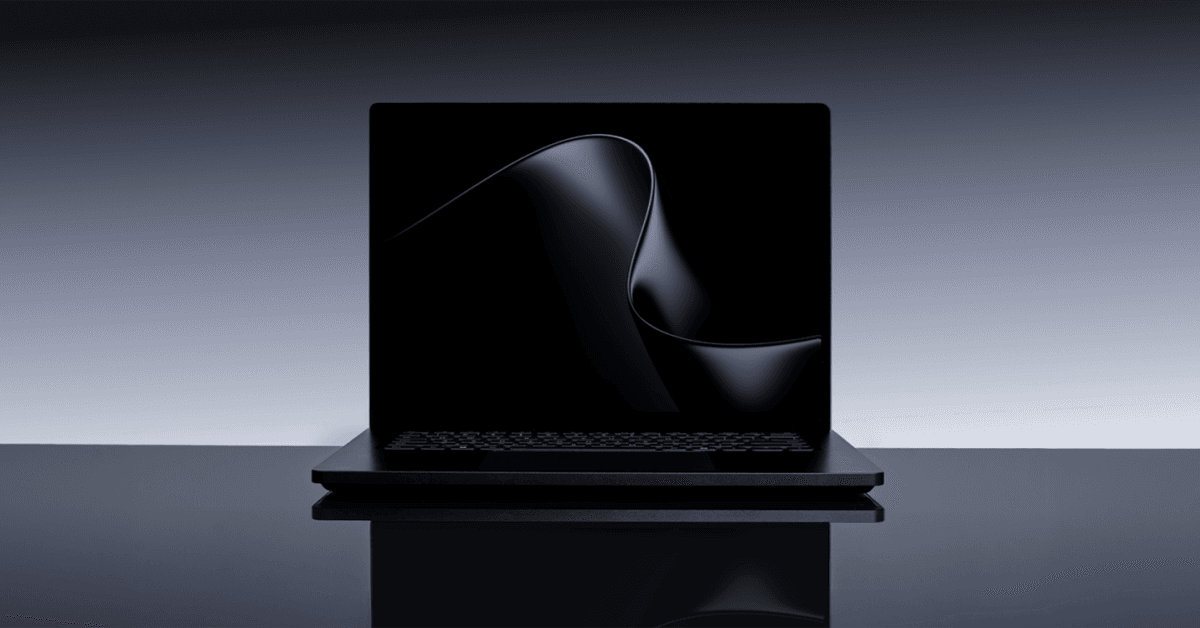
Nvidia is stepping into the Windows PC chip market with RTX Spark, a new processor created in collaboration with Microsoft and MediaTek. This chip combines an Arm-based CPU, a full RTX GPU, and unified memory into a single package. Its specifications indicate it could be a robust everyday PC chip, not just an AI device.
What Is RTX Spark, Exactly?
RTX Spark marks Nvidia’s first attempt at producing the entire processor for a Windows PC. Previously, Nvidia focused on graphics cards that worked alongside Intel or AMD chips. With RTX Spark, Nvidia is integrating everything into one chip, similar to how Apple’s M-series chips merge CPU and GPU into a single unit on MacBooks.
The chip features an Arm-based CPU core, which is the same architecture found in Apple’s M chips and Qualcomm’s Snapdragon X chips for Windows. Arm chips are known for their superior battery life compared to traditional x86 chips from Intel and AMD.
What sets RTX Spark apart is its GPU. Instead of pairing with a basic graphics chip, it includes a full RTX GPU — the same type used in gaming laptops and workstations. This means it supports real-time ray tracing, which simulates realistic lighting, and DLSS, Nvidia’s AI-driven image upscaling technology, right within the chip.
MediaTek’s Role in the Trio
This isn’t just Nvidia’s project. MediaTek, a Taiwan-based chip designer known for powering mid-range Android phones, is involved in creating the CPU section of RTX Spark. Nvidia focuses on the GPU, while MediaTek manages the CPU architecture, and Microsoft ensures both function seamlessly within Windows.
This collaboration is crucial. Building a chip that operates effectively with Windows requires extensive software teamwork. Qualcomm took years to optimize its Snapdragon X chips for smooth Windows app performance. By involving Microsoft from the start, Nvidia and its partners likely aim to speed up this process.
Where Will You Actually Find This Chip?
According to Ars Technica, RTX Spark will first show up in laptop workstations and mini desktop PCs. This launch approach is more targeted than a broader consumer laptop lineup. Workstations cater to creative professionals, engineers, and developers who need substantial processing power for tasks like 3D rendering, video editing, or running local AI models.
The mini desktop approach is intriguing too. Small form-factor PCs have grown popular for home offices and media setups. A chip with strong GPU capabilities in a compact design appeals to users wanting desktop-level performance without the bulk.
| Nvidia (NVDA) — Company Snapshot | |
|---|---|
| CEO | Jensen Huang |
| Headquarters | Santa Clara, CA |
| Founded | 1993 |
| Sector | Hardware |
| Stock Price | $222.82 (-0.69%) |
| RTX Spark Partners | Microsoft, MediaTek |
| Initial Target Devices | Laptop workstations, mini desktops |
The AI Angle (And What’s Beyond It)
Nvidia’s marketing for RTX Spark heavily emphasizes AI. The chip is crafted to handle local AI workloads, meaning tasks that occur directly on your device rather than relying on the cloud. With on-device AI becoming increasingly important for Windows PCs, an Nvidia chip with a built-in RTX GPU is perfectly suited for tasks like AI image generation, video tools, and running local large language models.
However, as 9to5Google points out, even if you never utilize AI, the specs still paint a strong picture. A full RTX GPU in a lightweight laptop or mini desktop allows for solid gaming performance, smooth video editing, and fast rendering — features that everyday users value. Think of the AI capabilities as an added bonus on top of an already powerful chip.
What This Means for Everyday Users
If RTX Spark makes its way into mainstream Windows laptops in the future, it could change the landscape of mid-range and premium Windows PCs. Currently, buyers must choose between Qualcomm’s Snapdragon X chips, which offer great battery life but limited GPU power, and Intel or AMD chips, which provide better GPU options but usually come with shorter battery life.
A chip that combines Arm-level efficiency with RTX-class graphics would eliminate this trade-off. You could potentially have a slim laptop with all-day battery life that also excels in gaming and creative tasks without needing a separate graphics card.
That said, the initial rollout is focused on workstations and mini desktops, not typical laptops. Plus, Arm-based Windows chips still face compatibility challenges. Some older Windows software doesn’t run natively on Arm and relies on emulation, which can slow down performance.
Community Reactions
“Honestly, if this thing has solid driver support and app compatibility, I’d switch from my Intel machine tomorrow. The GPU integration is what’s been missing from Arm Windows.”
“The MediaTek partnership is the part nobody’s talking about. MediaTek knows how to build efficient Arm chips at scale. Combine that with Nvidia’s GPU, and this could actually compete with Apple Silicon.”
What To Watch
- First device announcements: Expect laptop workstation and mini desktop manufacturers to unveil RTX Spark-powered hardware soon, likely at events like Computex or CES 2027.
- App compatibility details: Microsoft will need to clarify how existing Windows apps run on RTX Spark’s Arm CPU. This will determine if the chip appeals beyond professional workstation users.
- Qualcomm’s response: Qualcomm’s Snapdragon X Elite is currently the best Arm chip for Windows. RTX Spark’s GPU advantage puts pressure on Qualcomm to enhance its graphics performance.
- Consumer pricing: Workstation chips typically appear in high-end machines first. Watch whether Nvidia and its partners can bring RTX Spark to mainstream price points, as that would really test its market impact.
Sources: 9to5Google — Nvidia RTX Spark Windows reveal | Ars Technica — Nvidia RTX Spark processor details

Daniel Park
Daniel Park covers AI, cloud infrastructure, and enterprise software for Explosion.com. A former software engineer who transitioned to technology journalism 5 years ago, Daniel brings technical depth to his reporting on artificial intelligence, startup funding rounds, and the companies building the future of computing. He breaks down complex AI developments and business strategies into clear, actionable insights for readers who want to understand how technology is reshaping industries.