
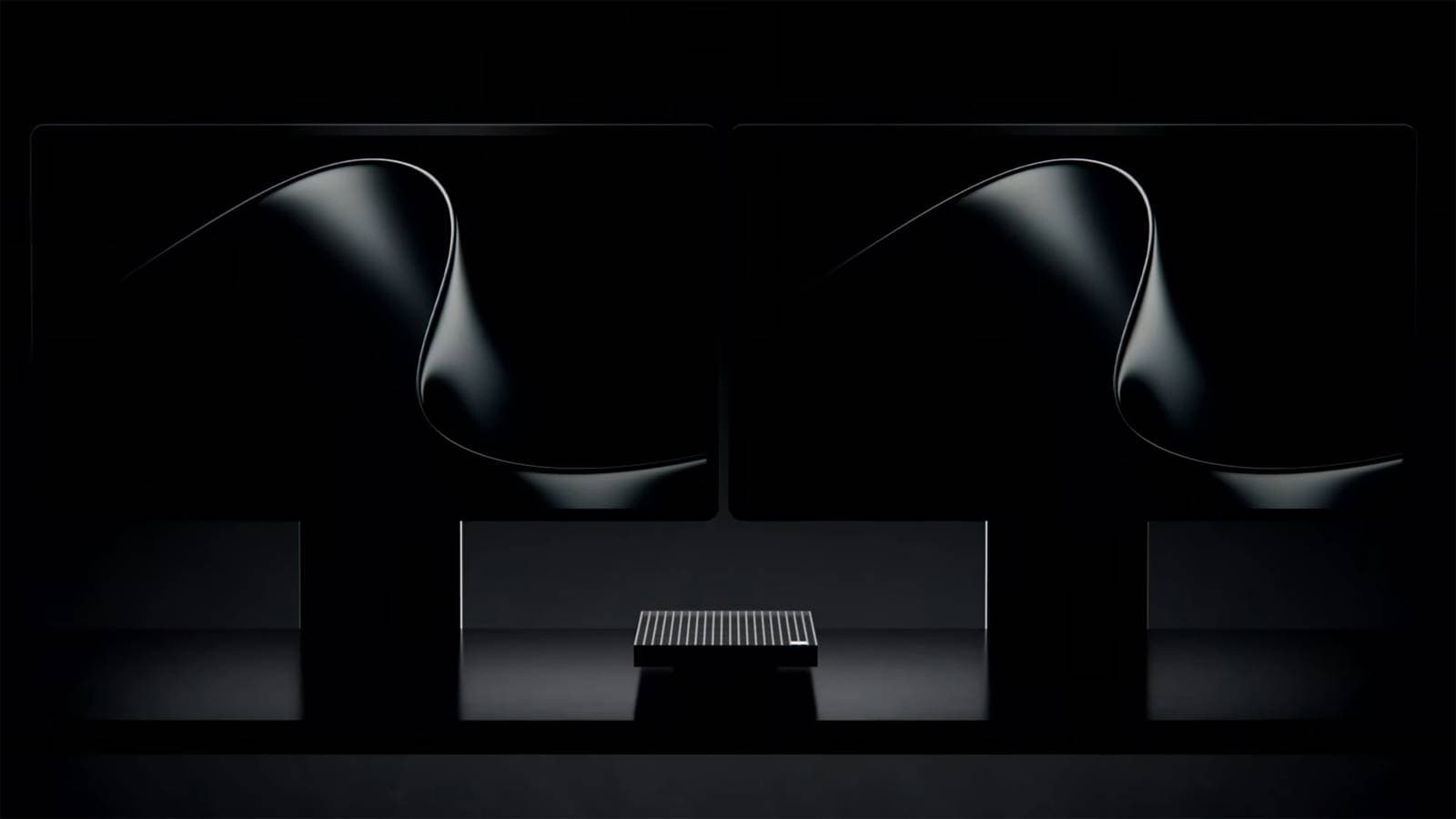
Microsoft introduced the Surface RTX Spark Dev Box at its Build 2026 conference. This compact desktop is designed for software developers to run large AI models locally, eliminating the need for costly cloud computing.
What Is the Surface RTX Spark Dev Box?
Imagine a powerful mini-PC crafted for developers who want to build and test AI applications without incurring cloud expenses. It features Nvidia’s new Arm-based RTX Spark chip, the same found in Microsoft’s recently launched Surface Laptop Ultra. This device can manage heavy workloads consistently without any slowdowns.
The key highlight is its impressive compute power: up to 1 petaflop, which equals one quadrillion math operations per second, along with up to 128GB of RAM. In practical terms, this means the box can run AI models with up to 120 billion parameters. Just a short while ago, you’d need a whole rack of cloud GPUs for that. Now, developers can do this right from their desks.
Why Nvidia Instead of Qualcomm?
This has sparked a lot of conversation in the developer community. Qualcomm has been Microsoft’s go-to chip partner for Arm-based Windows devices, including the Copilot+ PC lineup. However, for this workstation-class machine, Microsoft chose Nvidia’s RTX Spark platform instead.
As reported by The Verge, this effectively becomes the mini Surface PC that Qualcomm couldn’t create. The RTX Spark provides the sustained AI compute performance that Qualcomm’s current chips can’t match at this scale. This choice reveals where Microsoft believes the limits for Arm-based AI workloads currently lie.
The “Agentic Windows” Connection
Microsoft’s vision extends beyond just offering a faster workstation. The Surface RTX Spark Dev Box aims to prepare developers for what’s being called “agentic Windows.” This concept involves AI agents—software that can perform tasks on your behalf, like scheduling meetings or summarizing emails—operating locally instead of relying on cloud services.
By equipping developers with a machine that reflects the AI capabilities Microsoft aims to integrate into mainstream Windows, they can create and test those agents in a realistic setting. As VentureBeat reports, this transition directly reduces the need for cloud dependency. Developers running 120-billion-parameter models locally won’t incur Azure computing costs during testing.
| Max Compute | 1 petaflop |
| Max RAM | 128GB |
| Max AI Model Size | 120 billion parameters |
| Chip | Nvidia RTX Spark (Arm-based) |
| Announced At | Microsoft Build 2026 |
| Microsoft Stock (MSFT) | $442.66 (-3.88%) |
| Microsoft CEO | Satya Nadella |
| Headquarters | Redmond, WA |
What This Means
If you’re not a developer, this box probably isn’t for you right now. However, what gets developed on it will likely impact you in the next year or two.
Microsoft believes the next generation of Windows will feature AI agents that can perform real tasks—like opening apps, drafting documents, managing files, and completing multi-step tasks. The Surface RTX Spark Dev Box is where these features will be built and tested before reaching regular users.
More immediately, this device shows where the PC industry is headed: local AI processing that’s powerful enough to rival cloud computing, all in a compact box. As XDA Developers points out, running models of this size on consumer hardware was not feasible until very recently.
Community Reactions
“1 petaflop and 128GB RAM in a mini-PC form factor is wild. This was a $50k workstation setup two years ago.”
“Interesting that they went Nvidia here instead of Qualcomm. Says a lot about where Snapdragon’s ceiling is for serious AI work right now.”
What To Watch
- Pricing and availability: Microsoft hasn’t revealed a price or release date for the Surface RTX Spark Dev Box yet. Look for updates in the weeks after Build 2026.
- Qualcomm’s response: With Microsoft opting for Nvidia for its demanding Arm workstation, keep an eye out for whether Qualcomm announces a competing high-end chip ahead of its next hardware cycle.
- Agentic Windows timeline: Microsoft has been previewing AI agent features for Windows throughout 2025 and 2026. Build 2026 announcements suggest these features are moving from demos to developer-ready, with mainstream rollout details possibly coming at a Windows event later this year.
- Third-party dev adoption: The extent to which major software studios and enterprise developers adopt the Dev Box will signal how seriously the industry takes local AI development.

Ava Mitchell
Ava Mitchell is a digital culture journalist at Explosion.com covering social media platforms, streaming services, and the creator economy. With 4 years reporting on TikTok, Instagram, YouTube, and the apps that shape daily life, Ava specializes in explaining platform policy changes and their impact on everyday users. She previously managed social media strategy for a tech startup, giving her firsthand experience with the platforms she now covers.


