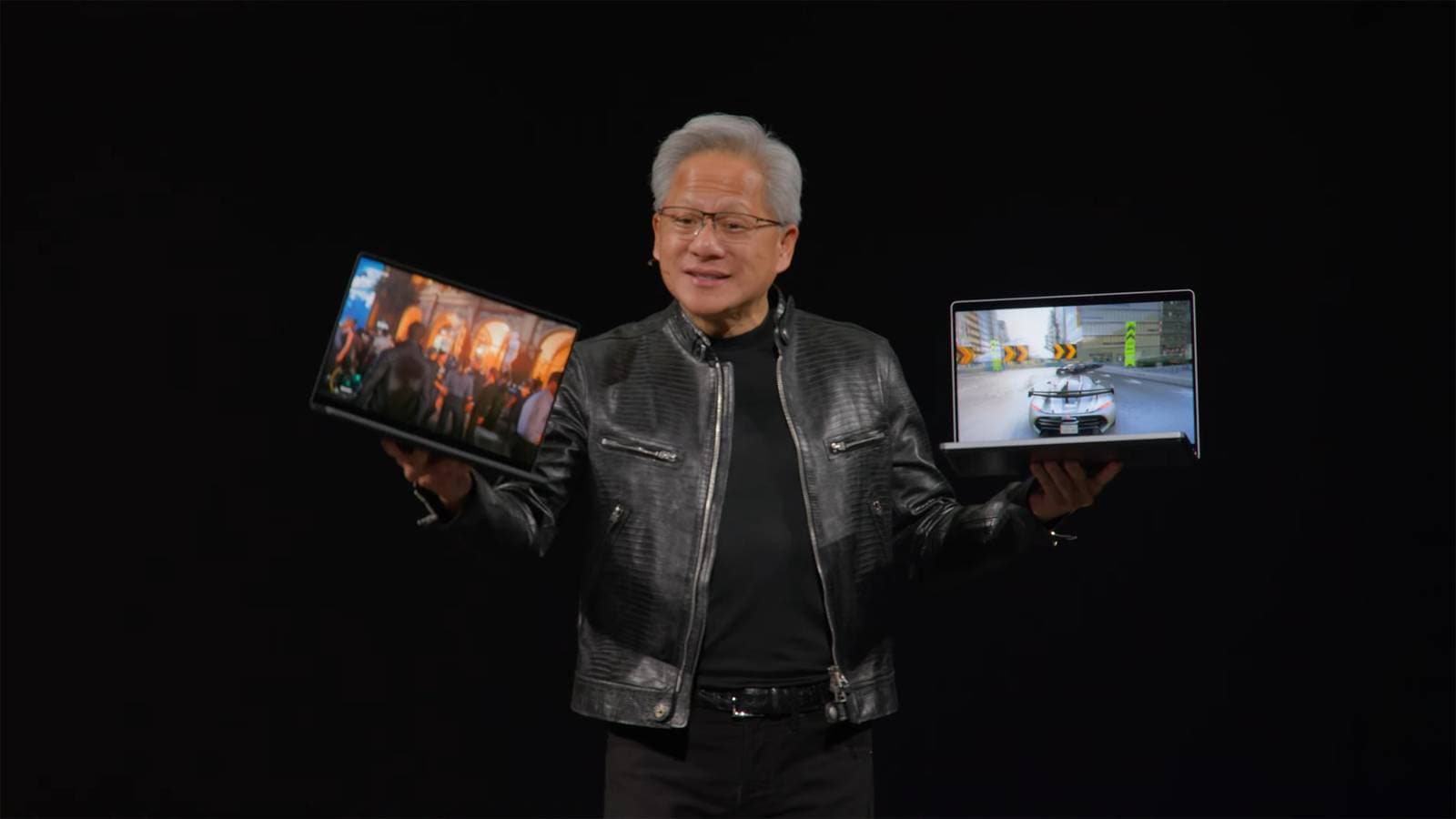
Microsoft is set to introduce the Surface Laptop Ultra, a premium laptop featuring Nvidia’s RTX Spark chip. This move represents the company’s boldest effort to enable Windows to operate on Arm-based processors that can compete with traditional PC hardware.
This announcement carries weight beyond just the hardware details. Last time Microsoft invested heavily in an Arm-based Nvidia chip for a flagship Windows device, it ended with a $900 million write-off after the original Surface failed in 2013. Today, both companies believe the technology and software ecosystem have matured enough to succeed.
What Is the RTX Spark, and Why Does It Matter?
The RTX Spark is Nvidia’s new Arm-based chip designed specifically for Windows 11. Arm architecture has typically been used in smartphones and tablets, but it’s now making its way into laptops and PCs. Most Windows laptops currently rely on x86 chips from Intel or AMD, which effectively translate decades of Windows software. Arm chips, on the other hand, offer greater efficiency and often improved speeds for certain tasks. However, Windows software wasn’t always optimized for these chips.
That compatibility gap is closing quickly. Microsoft has invested years in enhancing its x86 emulation layer, allowing older programs to run on Arm hardware without needing to be rewritten. They’ve also pushed developers to create Arm-native applications. The Surface Laptop Ultra aims to demonstrate that the gap is now small enough to support even professional workloads.
According to XDA Developers, Microsoft indicates that the RTX Spark has been fine-tuned for Windows 11, specifically considering developer and creator workloads. This includes tasks like coding, video editing, working in 3D software, or running AI tools directly on the device.
A Second Chance at a Big Idea
The original Surface RT launched in 2012, running a version of Windows on an Nvidia Tegra chip. It couldn’t run standard Windows desktop applications, which confused many buyers, leading to significant financial losses for Microsoft. In contrast, the Surface Laptop Ultra runs the full version of Windows 11 and targets professionals instead of everyday consumers. It arrives at a time when Arm-powered laptops, especially Apple’s MacBook line with its M-series chips, have successfully demonstrated that this architecture can handle demanding tasks.
Microsoft essentially argues that, like Apple did with its silicon, Windows can now achieve similar results with the right Arm hardware from Nvidia. Over the past year, Qualcomm’s Snapdragon X chips in Copilot+ PCs have already advanced Windows on Arm, but the RTX Spark introduces Nvidia’s GPU (the chip responsible for rendering images and executing AI tasks) expertise in a more integrated manner.
| Data Point | Detail |
|---|---|
| Company | Microsoft (MSFT) |
| Stock Price | $460.52 (+2.28%) |
| Previous Arm Write-Off | $900 million (2013, original Surface RT) |
| Chip | Nvidia RTX Spark (Arm-based) |
| Operating System | Windows 11 (full version) |
| Target Users | Developers, creators, AI workloads |
| CEO | Satya Nadella |
| Headquarters | Redmond, WA |
What This Means for Everyday Users
If you’re not a developer or video editor, the Surface Laptop Ultra may not be for you right now. However, its success or failure is crucial for anyone using a Windows PC.
If this laptop demonstrates that Windows on Arm can manage demanding professional software smoothly, it pressures Intel and AMD to step up their efficiency game. That typically results in better battery life and performance for everyone. Moreover, it gives Microsoft more clout to push the entire Windows ecosystem toward Arm, leading to thinner, lighter, and longer-lasting laptops across all price ranges in the next few years.
The real test will be app compatibility. If a creative professional buys this laptop and discovers that many of their essential plugins or niche tools don’t work properly, then no benchmark score will help. That’s the challenge Microsoft and Nvidia must overcome.
What People Are Saying
“I want to be excited but the Snapdragon X experience taught me to wait for real-world app compatibility reports before touching Windows on Arm with anything I need for work.”
“Nvidia doing Arm is genuinely interesting. If the GPU drivers are solid, this could be the one that actually works.”
Sources
- XDA Developers: Microsoft’s Nvidia RTX Spark-powered Surface Laptop Ultra will push Windows on Arm further than ever
- The Verge: This is the Microsoft Surface Laptop Ultra with Nvidia RTX Spark
What To Watch
- Pricing and release date: Microsoft hasn’t confirmed a price or launch window yet. Expect announcements tied to a major product event, likely later in 2025.
- App compatibility testing: Independent reviews will be key. Look for hands-on testing of professional software like Adobe Creative Suite, Visual Studio, and DaVinci Resolve on the RTX Spark.
- Qualcomm’s response: Qualcomm currently leads the Windows on Arm chip market with its Snapdragon X series. Nvidia entering the field with a full RTX-branded chip puts pressure on Qualcomm and may drive improvements across the board.
- Developer adoption: Microsoft has been motivating developers to create Arm-native Windows apps. Keep an eye out for announcements at Build 2025 about which major tools have added native Arm support.

Maya Torres
Maya Torres is the Consumer Tech Editor at Explosion.com with 7 years covering product launches for major technology publications. She has reviewed over 300 devices across smartphones, laptops, wearables, and smart home products. Maya specializes in translating spec sheets into real-world buying advice and attends CES, MWC, and Apple keynotes as press. Her reviews focus on helping readers decide what to buy, not just what specs look good on paper.