
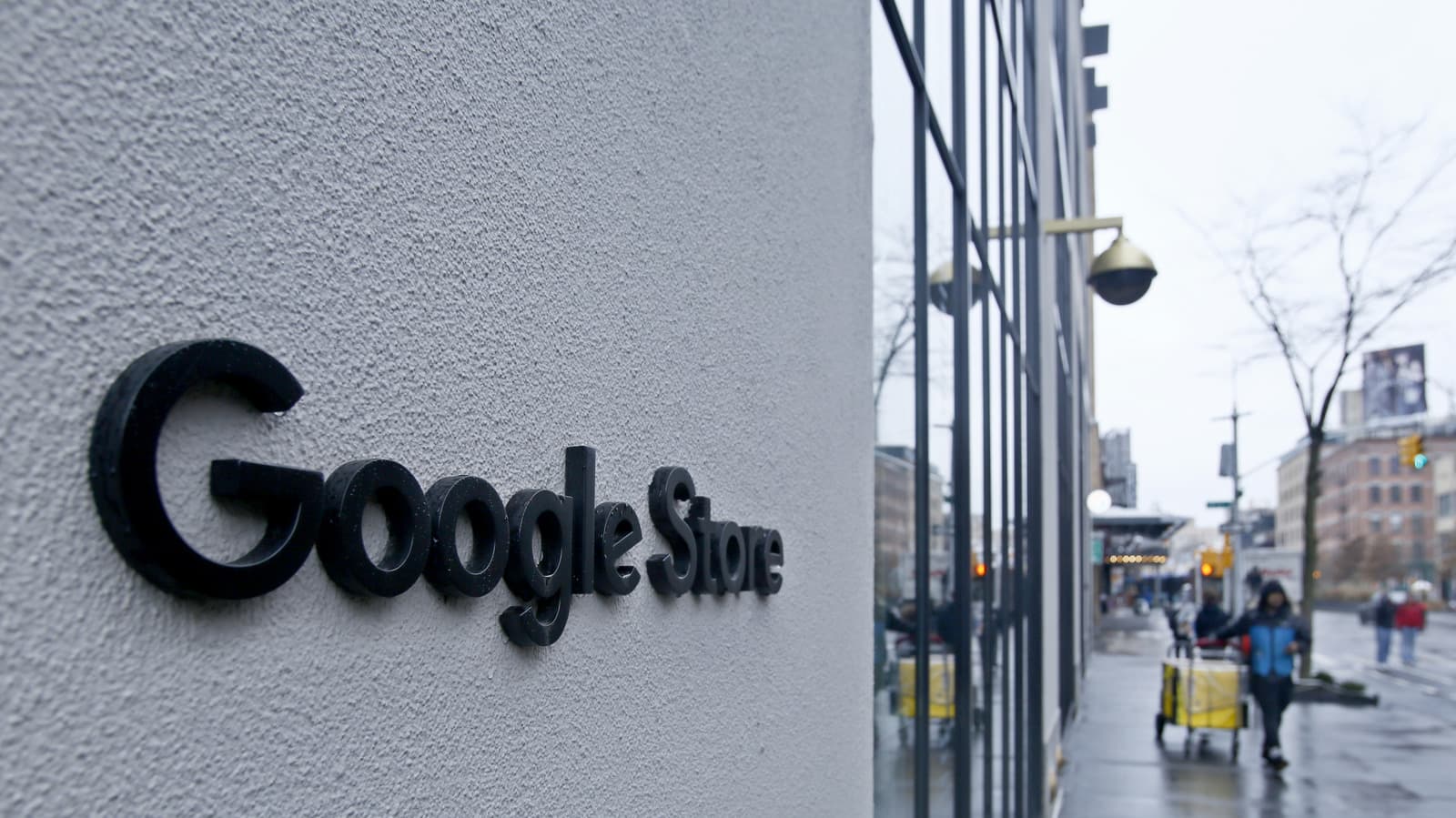
Google is set to open its first physical retail store outside the United States in Tokyo, Japan, this summer. This marks a significant step forward for Google’s plans in brick-and-mortar retail, which have previously been confined to a single flagship store in New York City’s Chelsea neighborhood.
| By The Numbers: Alphabet / Google | |
|---|---|
| Stock (GOOGL) | $380.34 (−2.51%) |
| CEO | Sundar Pichai |
| Founded | 1998 |
| Headquarters | Mountain View, CA |
| Sector | Big Tech |
Why Tokyo?
Japan isn’t just a random choice. According to Android Authority, Google has recently overtaken Samsung to become Japan’s second-largest smartphone brand, trailing only Apple. This market momentum makes Tokyo an ideal starting point for Google’s retail expansion.
Historically, Japan has been a strong market for Pixel phones, Google’s flagship Android devices. Pixel sales tend to be higher there than in other regions. This gives Google a ready audience who might walk into a store, explore products up close, and purchase accessories or seek support.
Think of it like how Apple approaches its retail spaces: they’re more than just points of sale. A Google Store showcases its entire ecosystem — including Pixel phones, Pixel Watch, Pixel Buds, Nest smart home devices, and Chromebooks — all in one place, with knowledgeable staff ready to explain how everything connects.
What We Know About the Tokyo Location
Google has confirmed the Tokyo store will open this summer, although they haven’t shared a specific date yet. 9to5Google initially reported the news, including an image of what looks like the store’s exterior, indicating construction is well underway.
The Tokyo store is expected to mirror the format of the New York flagship, which debuted in 2021. That store offers product demonstrations, repair services, and personalized setup assistance — amenities that attract shoppers looking for more than what third-party retailers provide.
What This Means
For everyday users in Japan, this is great news. If you own a Pixel phone or any other Google product and run into issues, having a nearby Google Store is a big improvement over relying on carrier stores or independent repair shops. It’s much better than just calling customer service; you can talk to someone face-to-face.
For users beyond Japan, the Tokyo store shows Google’s commitment to expanding its physical retail presence worldwide. If this location succeeds, it wouldn’t be surprising to see Google explore other major markets like London, Seoul, Sydney, and Toronto, all of which have strong Android user bases.
For Google, these physical stores also serve a marketing purpose. Every customer who enters and compares a Pixel with an iPhone or Samsung device is a potential new user. Apple has shown that well-designed retail spaces can boost sales. Google seems to believe the same strategy will work for its hardware.
As Engadget reports, this store is officially labeled a flagship location, meaning it’s designed to be a showcase rather than just a smaller outlet.
Community Reaction
“Japan makes total sense as the first pick. Pixel phones actually sell there. Google has real fans to serve.”
“Would love one in Europe. We’ve been begging for this for years. Tokyo is a start I guess.”
What To Watch
- Summer 2026: Watch for the official opening date of Google Store Tokyo, expected to be announced soon.
- Pixel 10 launch window: If Google sticks to its usual fall schedule for new Pixel devices, the Tokyo store could open just before a major product launch, boosting foot traffic.
- Global expansion announcements: Keep an eye out for any signals from Google about additional international locations after the Tokyo store opens. A successful debut in Japan could speed up those plans.
- Samsung’s response: After slipping to third place in Japan, Samsung might ramp up its retail or marketing efforts in the country.

Ava Mitchell
Ava Mitchell is a digital culture journalist at Explosion.com covering social media platforms, streaming services, and the creator economy. With 4 years reporting on TikTok, Instagram, YouTube, and the apps that shape daily life, Ava specializes in explaining platform policy changes and their impact on everyday users. She previously managed social media strategy for a tech startup, giving her firsthand experience with the platforms she now covers.


