
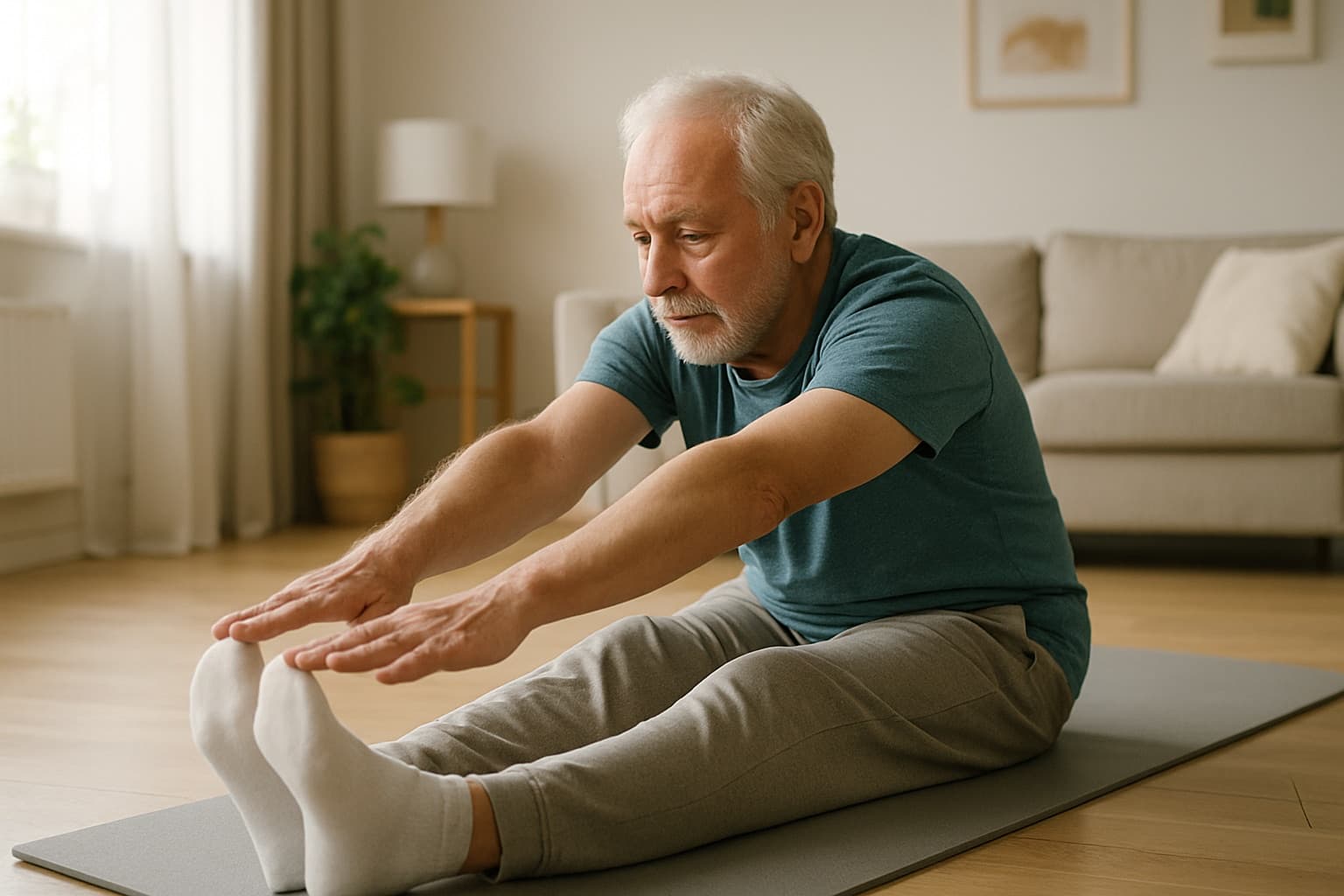
Health setbacks or symptoms that increase in intensity often make movement feel difficult. People frequently lower physical activity during these times. Although rest is necessary, a total lack of movement causes joints to become less flexible and muscles to lose strength. A gentle exercise plan is a method to stay active at a safe level without overexertion – these routines are based on controlled movement and breathing. Such activities are helpful for physical function when symptoms are prominent. Light activity is also useful because it helps the body return to a standard routine more easily as symptoms decrease.
Safe Movement During Symptom Increases
Physical activity that is low in intensity helps joints stay mobile and prevents the rigidity that occurs during long periods of rest. Slow stretches and exercises for range of motion are ways to keep the body active without causing pain – this method is beneficial for blood flow and prevents the body from feeling heavy or sluggish. Minimal movement is effective for making the transition back to regular habits easier.
Preventing Rigidity & Loss of Strength
Muscles and joints lose their capacity for work and their ability to bend quickly when movement stops. Gentle exercise is a way to slow this process – keeping the body active in manageable ways. Equipment like lift chairs for seniors because they make the transition between sitting and standing safer – these tools lower the load on muscles that are currently weak. Stability is higher when a person maintains small levels of activity.
Light Activity for Blood Flow
Consistent blood flow is a result of light exercise, which is important when a person spends a lot of time sitting or lying down. Simple motions, like rotating the ankles or extending the legs while seated, are ways to encourage circulation with low energy requirements – these actions are useful for reducing discomfort. Even short periods of movement are effective for improving how the body feels during a recovery period.
Maintaining Function Without Overexertion
A balance between rest and activity is necessary during times of increased symptoms – this approach allows a person to remain active within their physical limits. Some individuals use a mobility scooter to save energy for essential tasks while remaining mobile – this combination of assistance and light motion is a way to remain independent and avoid fatigue.
Psychological Effects of Light Activity
Health setbacks often impact a person's mood because they limit independence. Gentle exercise is a way to maintain a sense of progress. Movement is responsible for the release of chemicals in the body that support a positive mood. Being physically active at a low level is helpful for maintaining emotional stability and a sense of continuity.
Maintaining a Daily Routine
Structured exercise is a way to keep a daily schedule when health issues cause disruptions. Small goals for movement provide a sense of order – this structure is helpful for feeling focused when energy levels are inconsistent. Gentle exercise is part of a balanced routine when combined with rest and the use of home helps like lifting chairs.
Managing Energy Through Pacing
Low-intensity movement is a tool for managing energy levels – People can divide physical tasks into short intervals instead of using all their energy right away – this method is effective because it prevents exhaustion and reduces the risk of symptoms becoming more severe after activity.
Conclusion
Following a mild physical activity schedule during periods of increased symptoms is helpful for movement and blood flow. Body function remains stable when individuals avoid excessive physical pressure. Stiffness is less likely when people move in a controlled manner – these small actions are also beneficial for mental health plus simplify the transition back to regular routines as symptoms subside. Individuals are able to protect their physical and emotional state – combining rest with light movement. Tools are available to provide extra support during these times – this consistent method is useful for long term health but also allows people to remain self sufficient when their condition is difficult.

Nick Guli
Nick Guli is the founder and editor-in-chief of Explosion.com, which he launched in February 2012. With over a decade of experience in digital publishing, Nick oversees editorial direction across entertainment, gaming, technology, and lifestyle content. He is an avid gamer and movie enthusiast who brings a critical eye to coverage of industry trends, game reviews, and entertainment news.