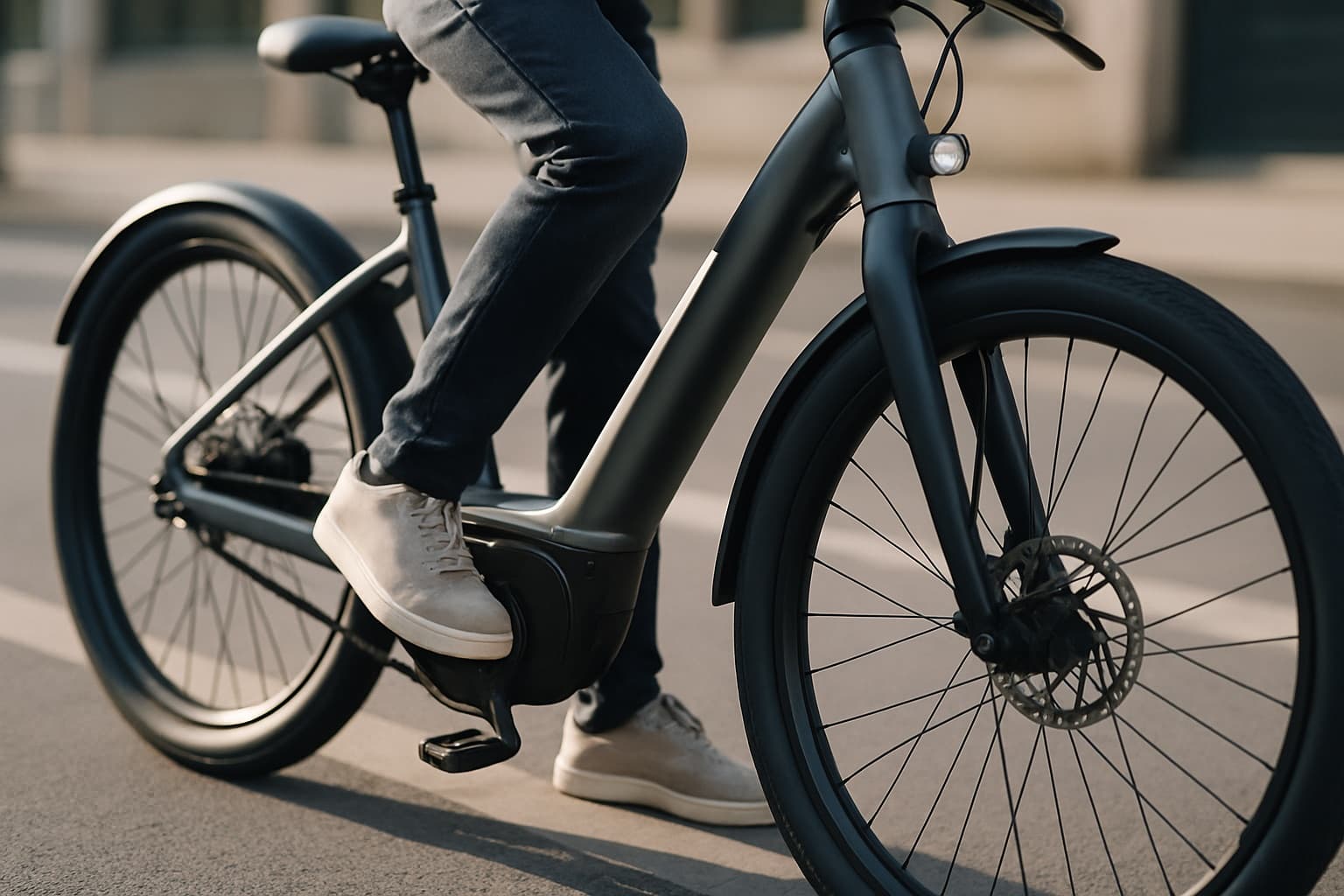
Some riders notice their e-bike makes more noise than expected once they start pedaling down quiet streets. A soft whir might fade into the background, yet others find certain hums grow annoying over time. It could be the motor type – mid drive units often feel smoother, while hub drives sometimes add a faint buzz under power. Riding one yourself gives clues no spec sheet ever will. Sound matters just as much as speed when picking something meant for daily use. What feels silent at first glance may reveal itself after miles on pavement.
Motor Noise Origins Explained
Most of the sound from e-bike motors stems from how parts inside the system interact. Gears turning inside the unit often play a role, along with small shakes sent through moving elements. When power moves through, tiny rumbles follow – bearings might chirp, metal brushes against metal. A hub motor tends to spin with a constant low note, humming like distant traffic. Mid drives bring extra layers: chains clink, gears tick, especially when you push harder or climb. Under heavy effort, the electrical part – the controller – can let out a thin whistle, rising with strain. Tire choices along with road texture change how sounds reach a rider. Spotting where noises come from makes it easier to tell regular engine hum apart from signs something might need checking.
How fast you go shifts what noises stand out on a bike. When moving slowly, parts like gears make more noticeable sounds. Faster movement brings rushing air and rolling tires that cover up the motor's hum. Certain e-bikes use better padding or smoother drivetrains to cut down vibrations. Keeping things running well – like oiling links and adjusting chain tightness – lowers extra rattle too. From time to time, listen closely to how your bike sounds – shifts in noise could point to parts wearing down or falling out of line. Staying tuned in helps keep each ride steady and trustworthy, especially as miles add up.
Hub Drive Versus Mid Drive Motors
Most hub drive motors run without much noise since they work apart from the bike's pedals and chain, just humming softly while going. That smooth quiet draws people who ride through cities and like calm trips. Instead of standing alone, mid drive systems connect right into the gearing, which sometimes adds clatter, particularly when changing gears while pushing hard. When paths get rocky or hills grow steeper, these sounds tend to stand out more, mainly because the motor has to push harder. Still, today’s models have narrowed the difference among setups. When looking at e-bikes, people tend to think about noise and how it affects ease on regular rides.
Most folks overlook how the bike's body shapes the sounds it makes. A smooth ride often comes down to sturdier frames holding things tight. Even a top tier mid motor might hum along nicely, but only if the gears and chain work right beside it. On the flip side, cheaper hub drives sometimes start clattering once bolts wiggle free. Where the battery sits plays a role too – shifts weight, changes how shakes move across metal. Stiffness in the frame either blocks those jitters or lets them spread. Real world checks beat paper stats every time. This is especially important in urban areas like electric bikes Ottawa markets where frequent stop and go riding can make sound differences more noticeable and impactful over time.
Testing Noise During Actual Rides
Outdoors often reveal what still rooms miss when it comes to spotting motor hum. Trying out speed changes, long stretches at constant pace, or pushing uphill gives clearer clues about performance under stress. A sound barely there inside might grow louder outside because of open air and background hush. When the tone stays even, it typically points to components working in sync. Sharp jumps in volume or clunky rhythms could mean parts aren’t aligned right, especially on certain electric bikes built with looser standards. That’s why taking one for a spin matters most before deciding.
Over time, longer test rides show whether sound influences ride comfort. Though a motor seems quiet at first, annoying vibrations might grow obvious on long trips. Wet pavement or loose gravel alters how noise feels while you're moving. Picking the right bicycle means weighing speed, ease, and sound quality together – noise shapes your experience more than expected. Judgment based on close listening helps match machine function to how much silence matters during regular commutes.
When picking an e-bike, listening to the motor matters – comfort hinges on how loud it gets. Some run hushed by design; others depend heavily on craftsmanship, upkeep, even terrain. A quick spin down a sidewalk might reveal more than any spec sheet ever could. Quiet rides often feel easier, less jarring.

Nick Guli
Nick Guli is the founder and editor-in-chief of Explosion.com, which he launched in February 2012. With over a decade of experience in digital publishing, Nick oversees editorial direction across entertainment, gaming, technology, and lifestyle content. He is an avid gamer and movie enthusiast who brings a critical eye to coverage of industry trends, game reviews, and entertainment news.