
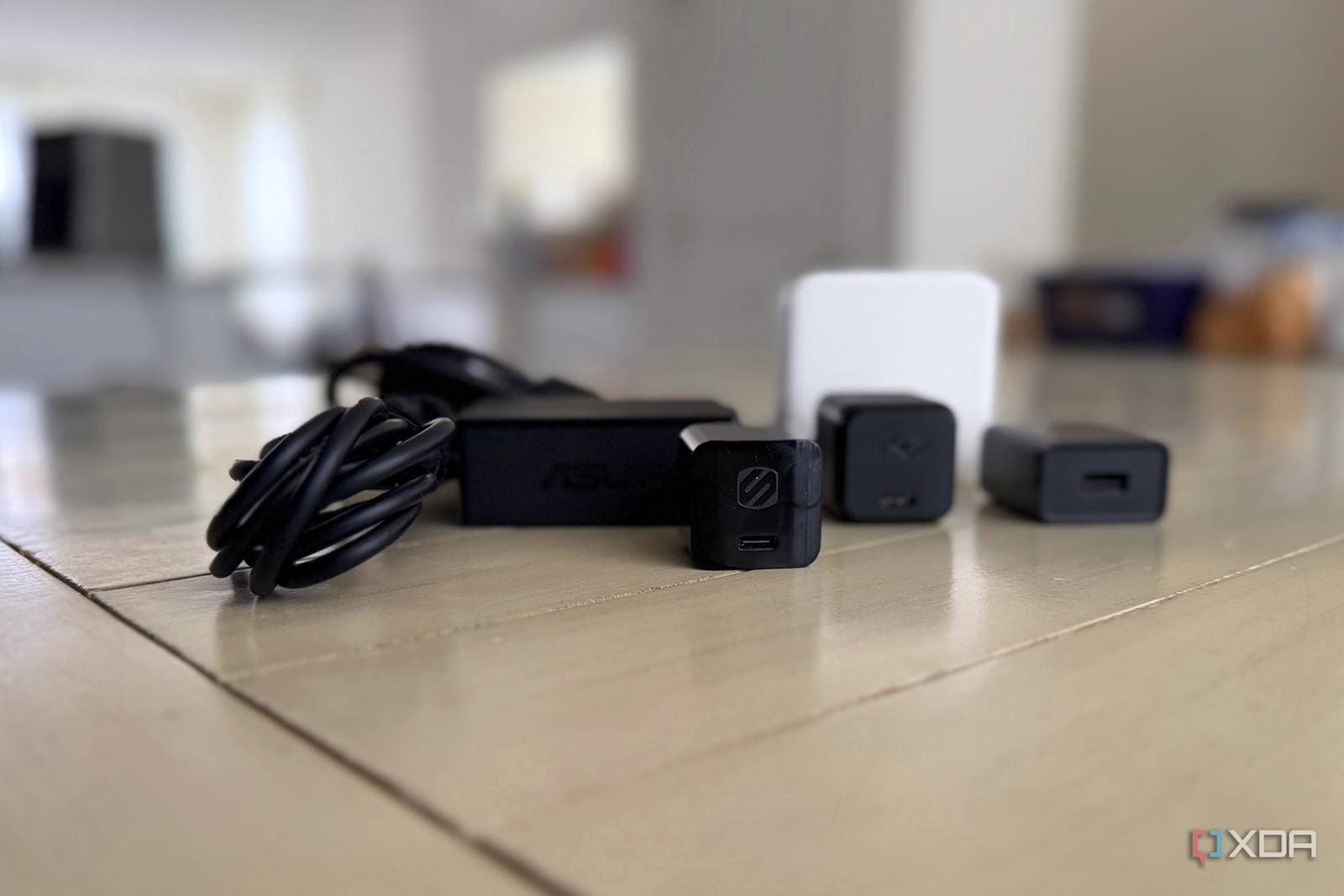
That $8 charger you picked up at the gas station might harm your phone’s battery, damage your laptop, or in rare cases, even start a fire. Many people don’t realize just how crucial charger specifications are.
A recent article from XDA Developers dives into what’s really happening inside your charging brick. The gist is simple: not all chargers are equal, and their differences extend far beyond charging speed.
What’s Inside a Charger?
At its core, a charger converts AC power (the electricity from your wall) into DC power (the type that batteries use). A good charger does this cleanly and safely, while a poor one cuts corners on essential components that ensure stable conversion.
Here are the key specs you should know:
- Wattage (W): This indicates the total power a charger can deliver. A 20W charger provides more power than a 5W charger, resulting in faster charging — but only if your device can handle it.
- Voltage (V) and Amperage (A): Wattage comes from multiplying these two values. Mismatched voltage can cause real damage: too high can fry components, while too low slows charging to a crawl.
- PD (USB Power Delivery): This is a universal fast-charging standard that allows chargers and devices to negotiate power exchange. If your device supports PD, using a PD charger will charge it faster and more safely than a generic one.
- GaN (Gallium Nitride): This newer semiconductor material used in chargers runs cooler and more efficiently than older silicon designs. That’s why GaN chargers can be compact while still delivering 65W or more.
Why Cheap Chargers Can Be Dangerous
Inexpensive chargers often lack the safety features that reputable brands include by default. Think of it like driving a car without airbags. Sure, it works, but you’re vulnerable if something goes wrong.
The specific components that budget chargers often skimp on include:
- Surge protection: This protects against power spikes from your outlet. Without it, a sudden voltage increase can directly affect your device.
- Thermal management: This prevents overheating. Cheap chargers tend to run hotter than necessary, damaging both the charger and the cable over time.
- Proper insulation: This keeps the high-voltage AC side separate from the low-voltage DC side. Poor insulation has led to electrical fires with some counterfeit chargers.
XDA Developers notes that counterfeit and very cheap chargers often provide inconsistent voltage. Your phone might think it’s getting 9V but could actually be receiving a higher or lower voltage based on the load. Batteries are particularly sensitive to this long-term instability.
Fast Charging Isn’t One-Size-Fits-All
This is where things get tricky: fast charging comes in various competing standards. Apple has its own, Samsung uses Adaptive Fast Charging, and many Android phones rely on Qualcomm’s Quick Charge. Then there’s USB Power Delivery, which is the closest to a universal standard.
If you connect a Quick Charge charger to an iPhone, it won’t fast charge. The phone simply won’t recognize the protocol, and the same goes the other way around. That’s why it’s important to buy a charger that’s compatible with your device, especially if speed is what you’re after.
| By The Numbers: Charger Specs at a Glance | |
|---|---|
| Typical budget charger output | 5W (5V/1A) |
| Apple 20W USB-C fast charger | 20W (charges iPhone 50% in ~30 min) |
| Laptop-grade USB-C PD charging | 65W–140W |
| GaN charger efficiency gain vs. silicon | Up to 40% less heat generated |
| USB Power Delivery max spec (USB4) | 240W |
| GoCable 8-in-1 EDC cable output | 100W via USB-C |
The Multi-Cable Solution
A practical solution to charger chaos is consolidation. Recently, Mashable featured the GoCable 8-in-1 EDC Cable, a $21.99 compact option that includes USB-C, Lightning, and Micro-USB connectors. It also features built-in tools and supports up to 100W output. This reflects how the accessories market is adapting to the reality of multiple devices with different connectors.
Whether a multi-connector cable is right for you depends on your devices, but the main takeaway is that achieving 100W through a single USB-C cable is now truly possible in a pocket-sized format.
What This Means for You
You don’t need to become a charging expert overnight. However, a few simple habits can protect your devices and your wallet in the long run:
- Buy chargers from reputable brands — Companies like Anker, Belkin, Apple, and Samsung include the safety features that no-name manufacturers skip.
- Match the wattage to your device — Using a 65W charger on a phone that maxes out at 25W won’t damage it since devices draw only what they need. However, using an underpowered charger for a laptop can result in slow charging or no charging at all under load.
- Look for PD or GaN labels — These indicate modern, efficient charging hardware as opposed to older, cheaper designs.
- Replace chargers that get very hot — A warm charger is fine, but if it gets hot enough to be uncomfortable to touch, that’s a warning sign.
What People Are Saying
“I fried a Nintendo Switch charging port with a random USB-C cable I bought off Amazon. Lesson learned the expensive way — the port replacement cost more than a quality charger would have.”
— u/TechRegrets, r/NintendoSwitch
“GaN chargers changed everything for me. I replaced three separate chargers with one 65W GaN brick that’s half the size. No idea why I waited so long.”
— YouTube commenter on Linus Tech Tips charging roundup
What To Watch
- USB4 and 240W charging adoption: The latest USB specification supports up to 240W over a single cable, enough to charge gaming laptops and other power-hungry devices. Expect more products to support this over the next year or so.
- EU universal charger rules: New European regulations mandate USB-C as the standard connector for most consumer electronics, starting with phones and small devices, and laptops by 2026. This will push manufacturers toward unified PD-based charging.
- Apple’s charging roadmap: With new Apple TV and HomePod Mini expected this fall, Apple’s accessory ecosystem is likely to grow. This raises questions about whether Apple will transition more products to USB-C and PD charging standards.
Sources: XDA Developers — Charger Specs Explained | Mashable — GoCable 8-in-1 EDC Cable Review

Daniel Park
Daniel Park covers AI, cloud infrastructure, and enterprise software for Explosion.com. A former software engineer who transitioned to technology journalism 5 years ago, Daniel brings technical depth to his reporting on artificial intelligence, startup funding rounds, and the companies building the future of computing. He breaks down complex AI developments and business strategies into clear, actionable insights for readers who want to understand how technology is reshaping industries.