
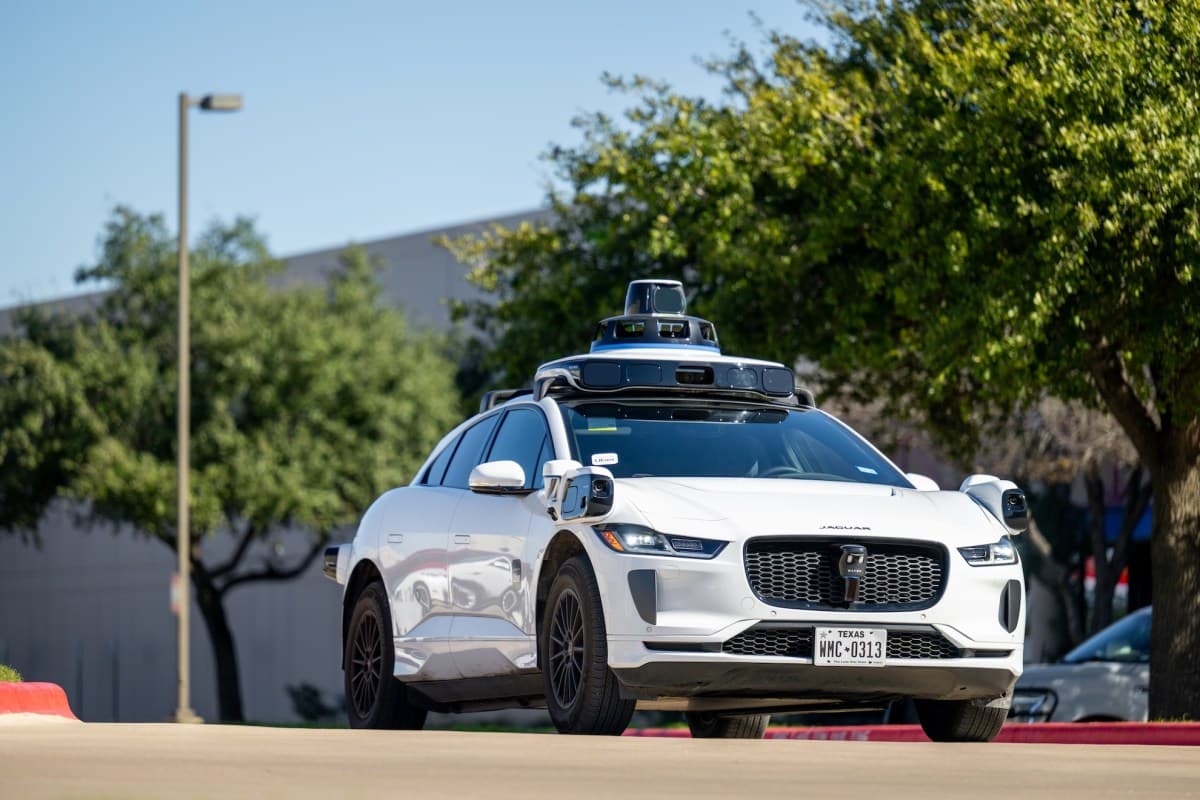
Waymo leads the pack in Texas’s autonomous vehicle market, based on recent registration data released under state law. This law requires self-driving companies to register their fleets, giving both regulators and the public a clearer view of what’s on the roads.
Texas Opens the Books on Self-Driving Cars
Texas has enacted legislation that mandates autonomous vehicle (AV) companies to register their fleets with the state. A new public tracker now allows anyone to see how many robotaxis and self-driving trucks each company has deployed in Texas.
The data tells a straightforward tale: Waymo, the self-driving unit of Alphabet (Google), possesses the largest share of registered autonomous vehicles in Texas by a wide margin. Meanwhile, Tesla, despite years of promoting its “Full Self-Driving” software and CEO Elon Musk’s ongoing promises of a robotaxi service, ranks much lower.
This is significant because Texas is one of the most open states for AV testing and deployment. If a company struggles to gain traction in Texas, it indicates serious challenges in scaling the technology elsewhere.
Waymo Keeps Building Momentum
The registration data emerges as Waymo accelerates its efforts on multiple fronts. The company has recently introduced its “Ojai” robotaxi, which it describes as a “living room on wheels.” Waymo has started picking up real passengers with this vehicle. The Ojai shares design elements with Zoox, the Amazon-owned AV startup, as it’s engineered from the ground up for passengers, not just adapted from a typical consumer car.
This design distinction is crucial. Most robotaxis are modified versions of existing vehicles, like a Jaguar I-PACE outfitted with sensors. Purpose-built AVs can optimize the interior for passenger comfort, potentially making rides more enjoyable and the vehicles cheaper to produce on a large scale.
| Detail | Data |
|---|---|
| State requiring AV fleet registration | Texas |
| Market leader by registrations | Waymo |
| Waymo’s parent company | Alphabet (Google) |
| Waymo’s newest vehicle | Ojai (purpose-built robotaxi) |
| Notable competitor trailing | Tesla |
| Other AV types tracked | Robotaxis and self-driving trucks |
Where Does Tesla Actually Stand?
Tesla’s position in the Texas registration data presents a stark contrast to its public image. Musk has been promising a fully autonomous Tesla robotaxi service for several years, with timelines shifting since at least 2019. Tesla’s self-driving strategy is quite different from Waymo’s: Tesla primarily depends on cameras and its onboard AI, while Waymo utilizes a mix of cameras, radar, and lidar (a laser-based sensor that creates a 3D map of the environment, similar to how bats navigate).
Tesla did launch a limited “Cybercab” pilot in certain cities. However, the Texas registration figures suggest its actual autonomous fleet is much smaller than Waymo’s at this point.
What This Means for Everyday Users
If you’re hoping to hail a self-driving car like you would an Uber, Waymo is the closest option to making that a reality. They’re already running paid robotaxi services in San Francisco, Phoenix, and Austin. The Texas data shows they’re expanding their presence faster than anyone else.
For Tesla owners who expected their cars to eventually drive themselves and earn money as robotaxis, the registration gap is a reminder that commercial rollout is still ongoing. Tesla might eventually catch up, but current public data shows a real divide.
The broader takeaway is that autonomous vehicles are moving beyond concept. They’re now counted, tracked, and regulated. This transparency is good news for consumers since it leads to more accountability.
What the Community Is Saying
“Waymo has been quietly doing the work while everyone else was making announcements. The Texas numbers basically confirm what people in SF and Phoenix already knew from actually riding in them.”
“The ‘living room on wheels’ design for Ojai is genuinely interesting. Once you don’t need a steering wheel or pedals, you can completely rethink what a car interior looks like. This is what competing with Zoox looks like.”
What To Watch
- Texas fleet tracker updates: As more companies register under the new law, the data will serve as a scoreboard for the AV industry. Keep an eye on whether Tesla’s numbers grow significantly in the coming months.
- Waymo Ojai expansion: The new purpose-built robotaxi just began carrying passengers. How quickly Waymo scales the Ojai across its markets will signal whether purpose-built AVs can replace modified vehicles.
- Tesla robotaxi timeline: Musk has mentioned broader Cybercab rollout targets for 2026. Whether those dates hold true, given the company’s history with self-driving timelines, is worth monitoring.
- Other states: If Texas’s registration transparency model proves effective, other states might introduce similar requirements. This could give us a national overview of where autonomous vehicles are truly operating.
Sources: TechCrunch — Waymo dominates Texas AV registrations | Mashable — Waymo’s Ojai: Living room on wheels

Daniel Park
Daniel Park covers AI, cloud infrastructure, and enterprise software for Explosion.com. A former software engineer who transitioned to technology journalism 5 years ago, Daniel brings technical depth to his reporting on artificial intelligence, startup funding rounds, and the companies building the future of computing. He breaks down complex AI developments and business strategies into clear, actionable insights for readers who want to understand how technology is reshaping industries.


