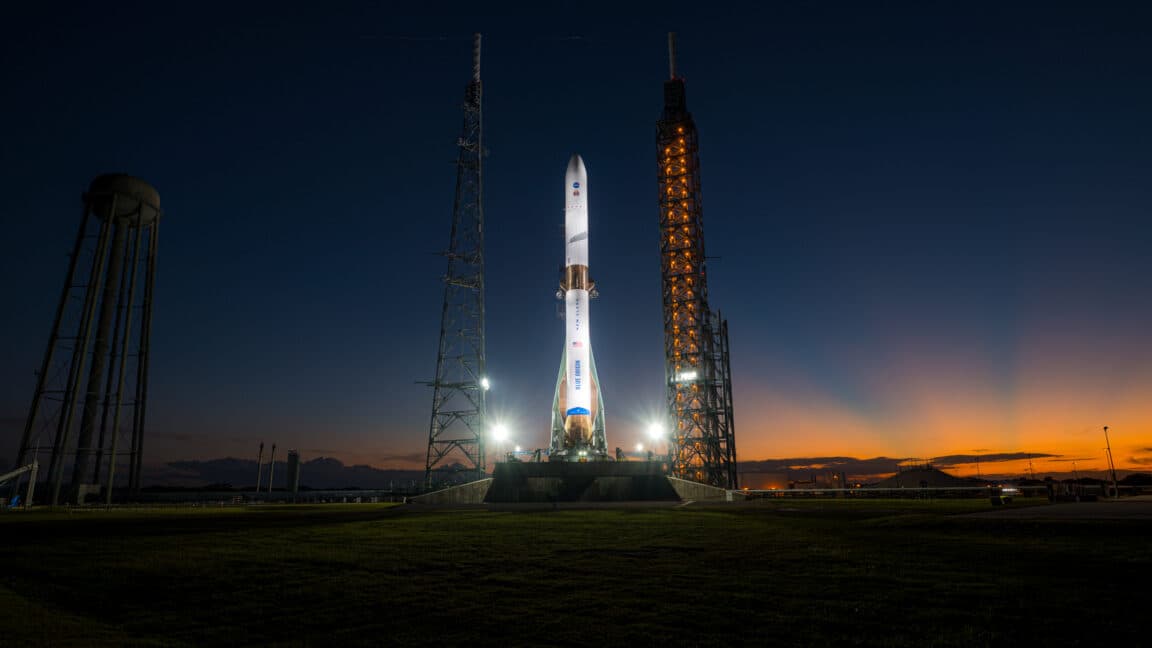
Blue Origin’s New Glenn rocket met a dramatic end in a massive explosion during a ground static fire test in Florida. This controlled ignition aimed to verify the rocket’s readiness for flight, making the incident one of the most striking rocket failures since the Soviet Union’s N1 moon rocket blew up in the early 1970s.
What Happened
The explosion took place during a static fire test at Blue Origin’s launch facility at Cape Canaveral. In these tests, the rocket remains anchored to the ground while its engines fire up — similar to revving a car while it’s parked, but with stakes in the hundreds of millions. Something went terribly wrong, resulting in a fireball visible for miles around.
The comparison to the N1 is significant. The N1 was the Soviet Union’s attempt to rival the Saturn V moon rocket, and all four of its launch attempts from 1969 to 1972 ended in failure. One explosion in 1969 is among the largest non-nuclear blasts ever recorded. Comparing the destruction of New Glenn to the N1 isn’t an exaggeration; it highlights the shocking and rare nature of this incident in today’s spaceflight landscape.
Why New Glenn Mattered
New Glenn is Blue Origin’s flagship orbital rocket, developed over years and costing billions. It’s meant to rival SpaceX’s Falcon 9. Standing about 98 meters tall — roughly the height of a 30-story building — it’s powered by seven BE-4 engines, which are large methane-fueled engines that Blue Origin also provides to United Launch Alliance for its Vulcan rocket.
New Glenn wasn’t just a commercial competitor; it had a vital role in NASA’s Artemis program, aimed at returning astronauts to the Moon. Losing this rocket now is more than just a business setback for Blue Origin. It leaves a gap in NASA’s plans that won’t be easy to fill.
| Spec | Detail |
|---|---|
| Height | ~98 meters (320 feet) |
| Engines (first stage) | 7 BE-4 engines |
| Fuel type | Liquid methane and liquid oxygen |
| Payload to low Earth orbit | Up to 45 metric tons |
| First successful orbital launch | January 2025 |
| NASA program involvement | Artemis (lunar program) |
How Bad Is This for Blue Origin?
It’s pretty serious. Blue Origin has always operated in SpaceX’s shadow. SpaceX’s Falcon 9 has completed hundreds of successful flights, boasting a reusable first stage that lands itself after launch. New Glenn was supposed to be Blue Origin’s reliable contender — a heavy-lift rocket ready to secure commercial satellite contracts and government missions.
Despite achieving a major milestone in January 2025 with a successful orbital launch, this explosion during a ground test indicates serious technical issues. Blue Origin will need to conduct extensive investigations, redesigns, and re-testing before it can fly New Glenn again.
TechCrunch reports that this incident is likely a significant setback for Blue Origin’s competition with SpaceX. Ars Technica described the explosion as the most spectacular rocket explosion since the N1, capturing both the visual impact and the rarity of such a failure in today’s era.
Community Reactions
“New Glenn had ONE orbital launch and now it’s gone. Blue Origin is going to be years behind after this. Artemis is already behind schedule and this just makes it worse.”
“To be fair, static fire tests exist specifically to catch problems before a crewed or high-value mission. The system worked in the sense that it didn’t fail on ascent with a payload. Still devastating for the program though.”
What This Means for Everyday People
If you’re not into rockets, you might wonder why this matters. Here’s the deal: NASA’s Artemis program aims to create a sustained human presence on and around the Moon, which is also key for future crewed missions to Mars. New Glenn was crucial for delivering cargo and infrastructure for astronauts.
On a practical level, competition in the rocket industry helps lower satellite launch costs. Those satellites support GPS navigation, weather forecasting, and broadband internet for rural areas. Fewer competitors mean less pricing pressure on SpaceX, which is already the dominant player. According to TechCrunch’s reporting, this explosion could widen SpaceX’s advantage in the launch market.
What To Watch
- Blue Origin’s accident investigation: The company must conduct a thorough investigation before the FAA (Federal Aviation Administration) allows any further testing or launches. Similar investigations for SpaceX’s Starship issues took several months.
- NASA’s Artemis timeline: Keep an eye on any official announcements from NASA about potential changes to mission timelines or whether they’ll seek other launch providers to fill the void left by New Glenn.
- BE-4 engine supply: Blue Origin supplies BE-4 engines to United Launch Alliance for its Vulcan Centaur rocket. It’s important to watch if this incident impacts that supply chain or ULA’s launch schedule.
- Congressional response: Lawmakers overseeing NASA’s budget may seek hearings or ask questions about the program’s resilience given this setback. Expect statements in the coming weeks.

Ava Mitchell
Ava Mitchell is a digital culture journalist at Explosion.com covering social media platforms, streaming services, and the creator economy. With 4 years reporting on TikTok, Instagram, YouTube, and the apps that shape daily life, Ava specializes in explaining platform policy changes and their impact on everyday users. She previously managed social media strategy for a tech startup, giving her firsthand experience with the platforms she now covers.