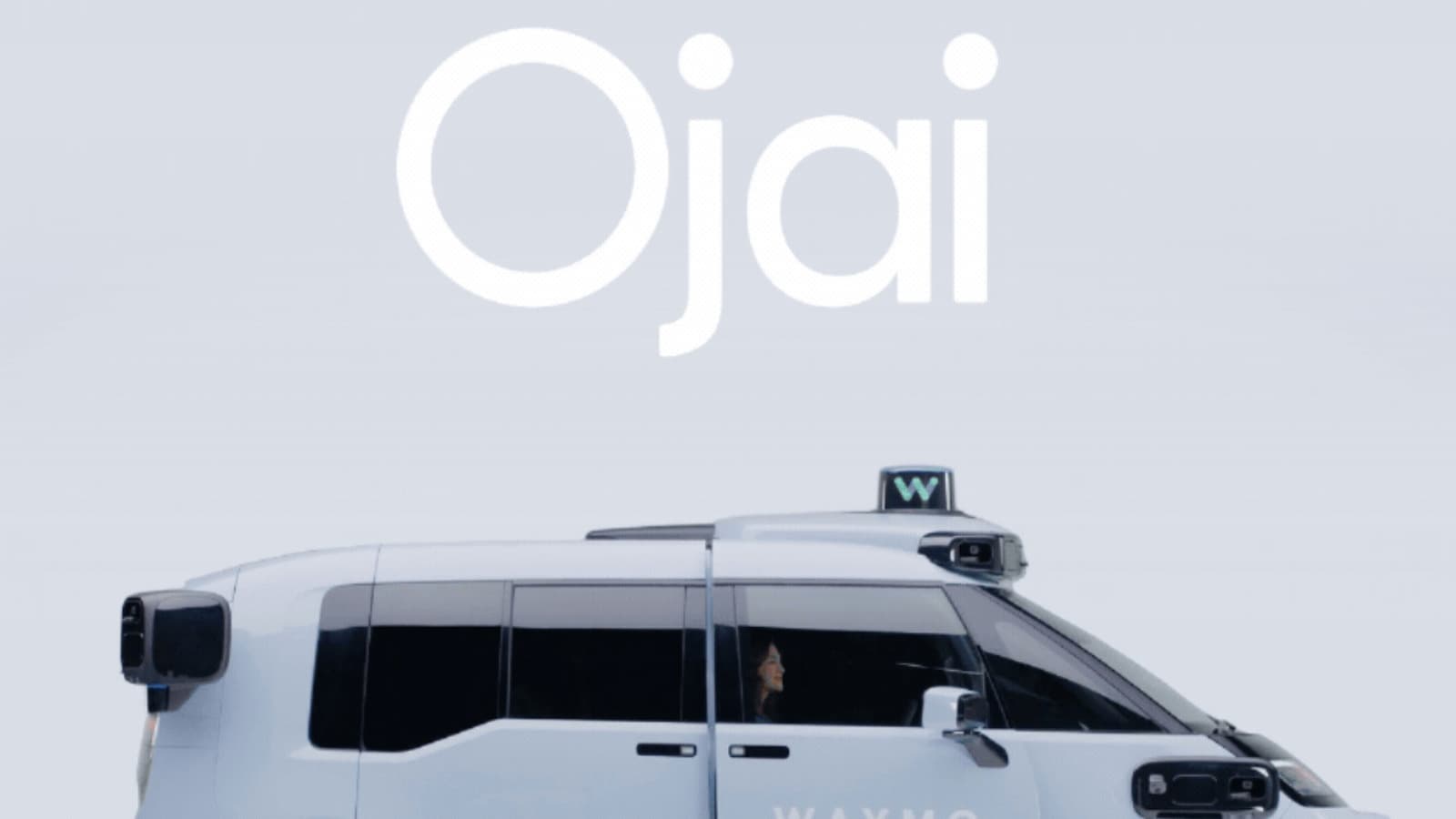
Waymo’s latest self-driving vehicle, known as Ojai, has started picking up passengers in California and Arizona. This marks the company’s first vehicle built specifically to operate without a human driver.
What Is Ojai?
Ojai is Waymo’s first robotaxi designed from scratch. Unlike their previous models, like the Jaguar I-PACE or Chrysler Pacifica, Ojai doesn’t have a steering wheel or pedals. There’s also no spot for a safety driver, as it was intended to be a completely driverless commercial taxi.
The vehicles sport a unique pale-blue color and are manufactured in China. This makes Ojai noteworthy not only for its advanced technology but also for its supply chain. Given the current political climate surrounding U.S.-China trade relations, this manufacturing choice is drawing significant attention.
The Chinese Manufacturing Question
Waymo has been transparent about where Ojai is produced. They teamed up with the Chinese automaker Zeekr, which is part of Geely, the parent company of Volvo and Polestar. This setup resembles how many American electronics are designed domestically but assembled abroad. While the core autonomous driving software and sensors come from Waymo, the physical car body is built in China.
This arrangement places Waymo in a unique position. While U.S. regulators are closely examining Chinese-made vehicles and technology due to national security issues, Waymo insists that its proprietary self-driving technology is still developed in the U.S. It remains to be seen if this explanation will satisfy regulators and the public in the long run.
| Detail | Info |
|---|---|
| Vehicle name | Ojai |
| Manufacturer | Zeekr (Geely), China |
| Vehicle type | Purpose-built robotaxi (no steering wheel or pedals) |
| Launch markets | California and Arizona |
| Passenger access | Open to members of the public starting now |
| Exterior color | Pale blue |
How It’s Different From Waymo’s Existing Fleet
Currently, Waymo operates a fleet of Jaguar I-PACE electric SUVs that have been retrofitted with their self-driving technology. Retrofitting is a bit like adding a motor to a regular bike to make it an e-bike. It works, but it’s not the ideal solution.
Ojai starts with a clean slate. This allows the interior to be tailored for passengers, not a driver. You can expect more legroom, better visibility, and a cabin experience that feels more like a private shuttle rather than a regular taxi. The sensors and computing hardware are integrated more seamlessly into the structure instead of being added later.
Where You Can Ride It
Ojai is launching in Waymo’s established service areas in California, mainly around San Francisco and the greater Bay Area, as well as in Phoenix, Arizona. If you’re a Waymo One user in these locations, you might start seeing Ojai vehicles show up in the app. The company hasn’t shared any specific pricing adjustments related to this new vehicle yet.
What This Means for Everyday Riders
If you’ve taken a Waymo ride before, Ojai offers an upgrade in comfort and design. Without a driver’s seat or dashboard, the extra space in the passenger cabin can be fully utilized. More importantly, Ojai indicates that Waymo is making a serious commitment to robotaxis as a long-term business strategy, not just as a technology demonstration. Building a purpose-designed vehicle is a hefty investment and shows they’re in it for the long haul.
For those who haven’t experienced a robotaxi, Ojai’s launch in two major markets means more people can try it out than ever before. You can book a ride through the Waymo One app just like you would with Uber, but without anyone sitting in the front seat.
Community Reactions
“The no steering wheel thing is still wild to me. I know logically it’s fine, but stepping into a car with literally nowhere for a human to take over feels like a leap.”
“Made in China is going to be the headline everyone runs with, but Waymo’s actual driving software is the part that matters, and that’s still theirs. People conflate the car body with the autonomous system.”
What To Watch
- Regulatory scrutiny: Congress and the Department of Transportation are closely monitoring Chinese-manufactured vehicles on U.S. roads. Expect inquiries about whether Ojai’s manufacturing origin raises any national security concerns, especially under existing executive orders targeting connected vehicles from China.
- Fleet expansion timeline: Waymo hasn’t shared how quickly it plans to replace or supplement its Jaguar I-PACE fleet with Ojai vehicles. Keep an eye out for announcements about new service cities and whether Ojai will become the standard across all Waymo markets.
- Competitor response: Tesla’s robotaxi plans and Amazon-backed Zoox are both developing their own purpose-built vehicles. Ojai being on public roads first gives Waymo a head start in collecting ride data and building public trust.
Sources

Ava Mitchell
Ava Mitchell is a digital culture journalist at Explosion.com covering social media platforms, streaming services, and the creator economy. With 4 years reporting on TikTok, Instagram, YouTube, and the apps that shape daily life, Ava specializes in explaining platform policy changes and their impact on everyday users. She previously managed social media strategy for a tech startup, giving her firsthand experience with the platforms she now covers.