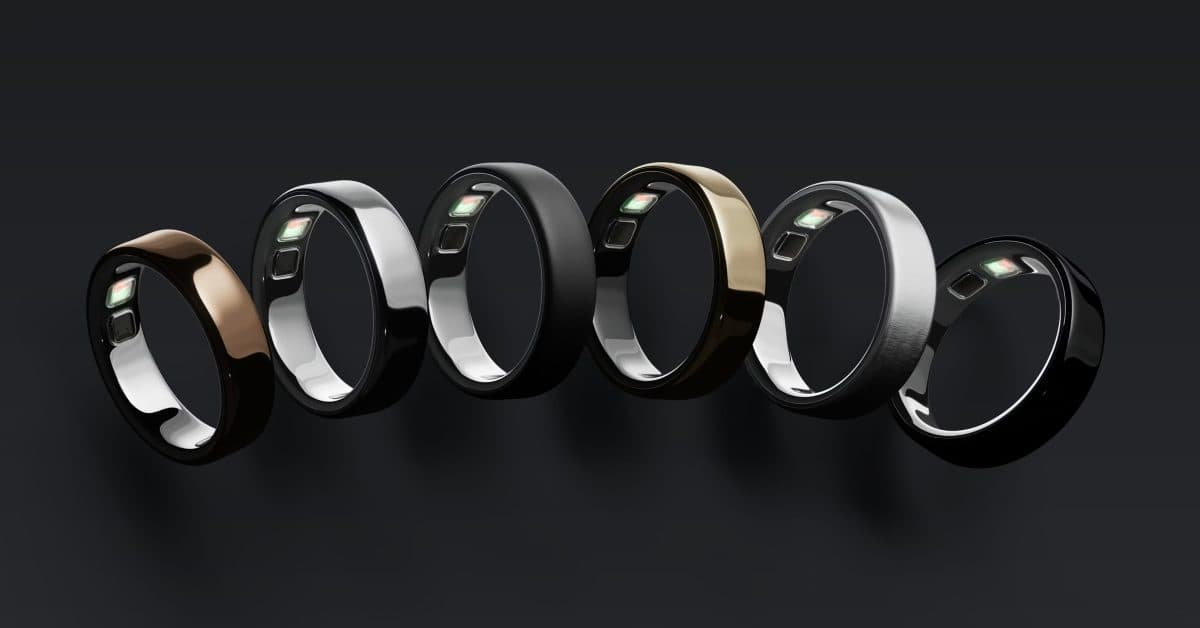
Oura has introduced the Ring 5, which it claims is the world’s smallest smart ring. This new model features a groundbreaking health monitoring capability: it can detect high blood pressure without needing a traditional cuff.
A Dramatically Smaller Form Factor
The Oura Ring 5 is much slimmer and lighter compared to its predecessor, the Ring 4. Oura promotes it as the world’s smallest smart ring, addressing a common concern about wearable rings — they often feel bulky or snag on things during daily activities. Imagine moving from a hefty high school class ring to a smooth, barely-there band. The aim is for you to forget you’re even wearing it.
This redesign goes beyond looks. A thinner profile typically requires engineers to fit the sensors and battery into a tighter space, which is tricky. Oura hasn’t shared all the details on how they managed this, but they assure users that the ring maintains the multi-day battery life they’ve come to expect.
Hypertension Detection: What That Actually Means
The standout feature is hypertension detection. Hypertension, or high blood pressure, occurs when blood pushes against artery walls too forcefully. This condition affects about 1 in 3 adults and is often labeled a “silent killer” since many people show no symptoms.
Typically, measuring blood pressure requires a cuff that tightens around your arm. The Oura Ring 5 takes a different route. It uses optical sensors, which shine light through your skin to analyze blood flow patterns, along with algorithms to estimate if your blood pressure is in a risky range. Some smartwatches also offer blood pressure monitoring, but achieving this in a ring is more challenging due to the smaller surface area.
This feature likely functions as a screening or trend-monitoring tool rather than as a precise medical measurement. As of now, Oura hasn’t received FDA clearance for this feature as a medical device, which they would need to make specific diagnostic claims. Users with known hypertension or heart issues should continue using a validated blood pressure monitor for accurate readings.
What Else Is New
Besides the size reduction and hypertension detection, the Ring 5 keeps Oura’s focus on health tracking. This includes sleep staging (differentiating between light, deep, and REM sleep), heart rate variability tracking (which indicates how well your nervous system is recovering), body temperature monitoring, and activity tracking. Oura combines all this data into daily readiness, sleep, and activity scores within its companion app.
Oura hasn’t announced a significant price change from the Ring 4, which launched at $349. To access the full suite of health insights beyond basic data, users will need to subscribe to the service, which costs $5.99 per month.
| Oura Ring 5 — By The Numbers | |
|---|---|
| Claim | World’s smallest smart ring |
| Key New Feature | Hypertension (high blood pressure) detection |
| Starting Price | $349 |
| Subscription Cost | $5.99/month for full health insights |
| Predecessor | Oura Ring 4 (launched 2024) |
| Sensor Tech | Optical (light-based) sensors + algorithms |
What This Means
For everyday users, the smaller size addresses the main issue with smart rings: their noticeable bulk. A ring you forget you’re wearing is one you’ll likely keep on all day, providing more comprehensive health data. Oura’s sleep tracking especially requires overnight wear, so comfort is key.
The hypertension feature could be crucial in the long run. High blood pressure often goes undetected for years since most people only check it during doctor visits. A device that monitors for warning signs every night might encourage people to seek medical help sooner. However, this only matters if the detection is accurate enough to trust. We’ll need to see independent validation of this feature.
For those considering a smartwatch for health tracking, the Ring 5 makes a compelling case that a ring can offer competitive features while being more comfortable to wear.
What People Are Saying
“The size reduction is huge for me. I returned the Ring 4 because it kept catching on my jacket pocket. If this is actually smaller, I’m back in.”
“Blood pressure from a ring sounds amazing but I’ll believe the accuracy when I see independent testing. My Omron cuff doesn’t lie.”
Further Reading
What To Watch
- FDA clearance status: Whether Oura seeks or receives FDA clearance for the hypertension detection feature will influence its credibility in the medical community. Keep an eye out for regulatory updates in the coming months.
- Independent accuracy testing: Third-party reviews comparing the Ring 5’s blood pressure readings to validated cuff monitors will be crucial for assessing its usefulness.
- Competitor response: Samsung’s Galaxy Ring and other upcoming competitors will likely introduce their own size and health feature updates. The smart ring market is heating up quickly.
- Availability: Oura has announced the Ring 5, but details about full retail availability, including international shipping dates, are expected soon.

Maya Torres
Maya Torres is the Consumer Tech Editor at Explosion.com with 7 years covering product launches for major technology publications. She has reviewed over 300 devices across smartphones, laptops, wearables, and smart home products. Maya specializes in translating spec sheets into real-world buying advice and attends CES, MWC, and Apple keynotes as press. Her reviews focus on helping readers decide what to buy, not just what specs look good on paper.