Amazon is set to acquire Apple’s stake in Globalstar, the satellite company behind iPhone emergency messaging, as revealed in a recent FCC filing. This deal will give Amazon about 20% of Globalstar as part of its larger acquisition of the satellite operator.
What’s Actually Happening
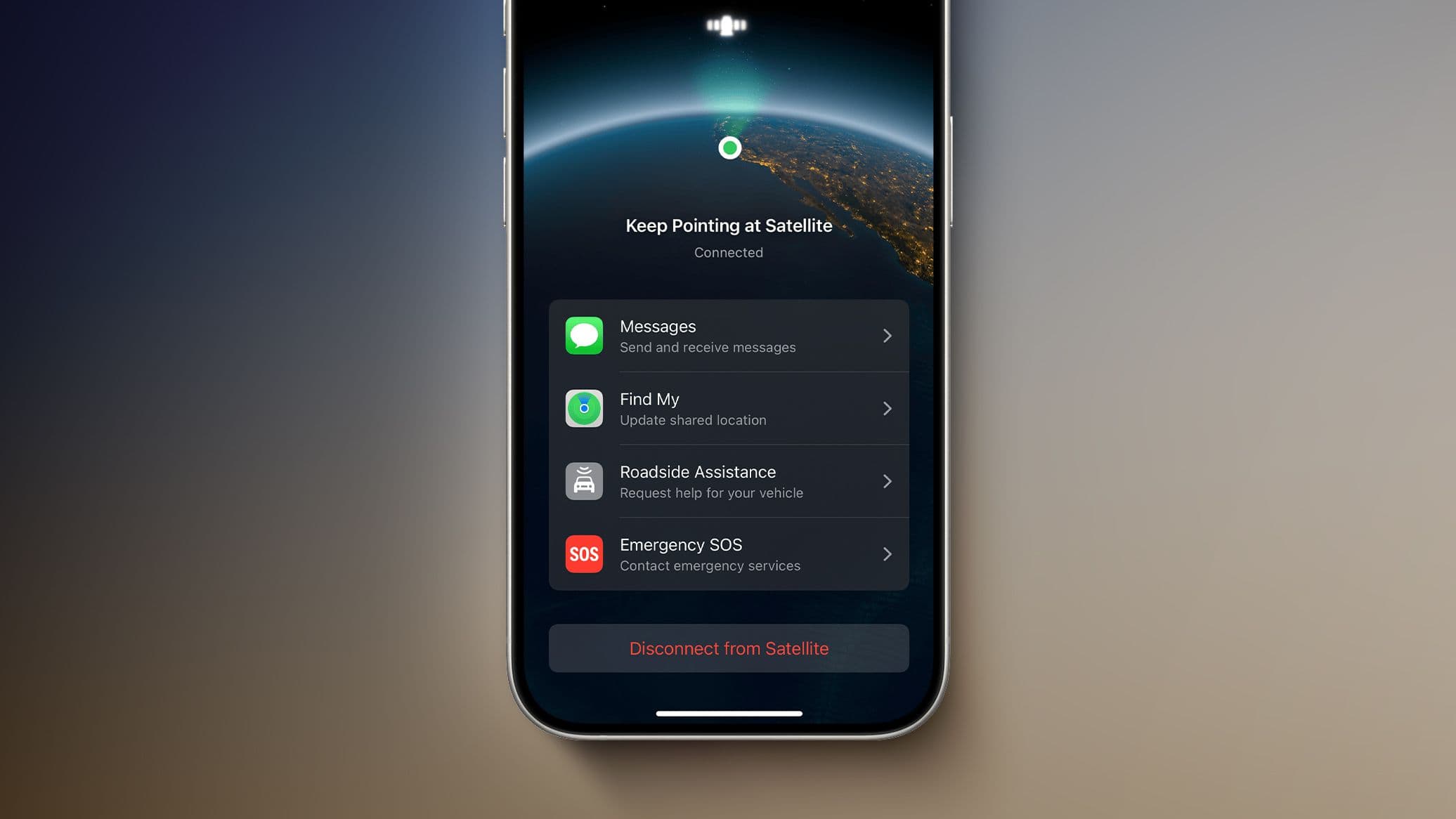
Globalstar operates the satellite network that enables iPhone 14 and later users to send emergency SOS messages and share their location when there’s no cell signal. Apple has held a 20% stake in Globalstar since it made a deal to use the company’s satellites for these features.
Back in April 2026, Amazon announced its plan to acquire Globalstar outright. The FCC filing, reported by 9to5Mac and MacRumors, shows that the deal includes buying out Apple’s existing ownership. This means Amazon won’t just gain access to Globalstar’s satellite infrastructure; it will also acquire the portion that Apple has quietly held for years.
The FCC (Federal Communications Commission) filing is a necessary step whenever satellite spectrum licenses change hands. Its submission indicates that the acquisition is advancing through the formal regulatory approval process.
Why Amazon Wants Satellites
This acquisition aligns with Amazon’s ambition to become a major player in satellite-based connectivity. The company is developing Project Kuiper, its own low Earth orbit (LEO) satellite network, aimed at competing with SpaceX’s Starlink.
You can think of it as Amazon buying a rival airline’s routes and gate access. Globalstar’s existing spectrum licenses and satellite infrastructure give Amazon a head start instead of having to build everything from the ground up. Buying Apple’s stake is just part of bringing the entire company under its wing.
What Happens to Apple’s iPhone Satellite Features?
This is a key concern for many iPhone users. Currently, Apple’s emergency SOS via satellite and roadside assistance features rely on Globalstar’s network. If Amazon completes this acquisition, those services would run on infrastructure owned by one of Apple’s biggest competitors in smart home and media streaming.
Apple hasn’t publicly indicated any changes to its satellite agreements. The existing contract terms between Apple and Globalstar should carry over to the new ownership; business arrangements like these typically remain intact after acquisitions unless renegotiated. Still, it creates a unique long-term situation where Apple would be paying Amazon for a critical iPhone safety feature.
| Amazon — Company Snapshot | |
|---|---|
| Ticker | AMZN |
| Stock Price | $270.64 (−1.23%) |
| CEO | Andy Jassy |
| Headquarters | Seattle, WA |
| Founded | 1994 |
| Sector | Big Tech |
| Apple’s Globalstar Stake | ~20% |
What This Means
For now, nothing changes for most iPhone users. Your emergency SOS via satellite will continue to work just like it does today. However, behind the scenes, this acquisition will reshape who controls a growing portion of the satellite connectivity market.
In the long run, if Amazon integrates Globalstar’s capabilities into its ecosystem, it might expand satellite connectivity to everyday devices beyond smartphones. Imagine Kindle readers that work anywhere or delivery drones with reliable connections. Amazon has the resources to transform Globalstar from a niche emergency service into something much more extensive.
For Apple, selling this stake likely reflects a straightforward business decision: cash out the investment and let Globalstar’s new owner manage the infrastructure, while Apple focuses on securing long-term service agreements to protect the features users rely on.
Community Reactions
“So Apple basically funded the satellite network, built demand for it through iPhone, and now Amazon gets to buy it and potentially charge Apple to keep using it. Wild situation.”
“This is Amazon trying to own every layer of the stack. Cloud with AWS, delivery with their own logistics, now satellites. They want to be the infrastructure company for everything.”
What To Watch
- FCC approval: The filing is currently under regulatory review. Keep an eye on the FCC’s decision regarding the spectrum license transfer, which is the main regulatory hurdle for this deal.
- Apple’s response: Apple hasn’t commented on what its satellite partnership will look like after the acquisition. Any announcement about a new or extended agreement with Amazon-owned Globalstar, or a switch to a different satellite provider, would send a significant signal.
- Project Kuiper integration: Amazon’s satellite internet service is still in the early stages. Whether Globalstar’s assets are integrated into Kuiper or run as a separate service will influence how this deal affects consumers beyond iPhone users.
- Antitrust scrutiny: Large tech acquisitions face intense regulatory scrutiny. Any pushback from the DOJ or FTC regarding Amazon’s move into satellite infrastructure could complicate or delay the deal.

Ava Mitchell
Ava Mitchell is a digital culture journalist at Explosion.com covering social media platforms, streaming services, and the creator economy. With 4 years reporting on TikTok, Instagram, YouTube, and the apps that shape daily life, Ava specializes in explaining platform policy changes and their impact on everyday users. She previously managed social media strategy for a tech startup, giving her firsthand experience with the platforms she now covers.