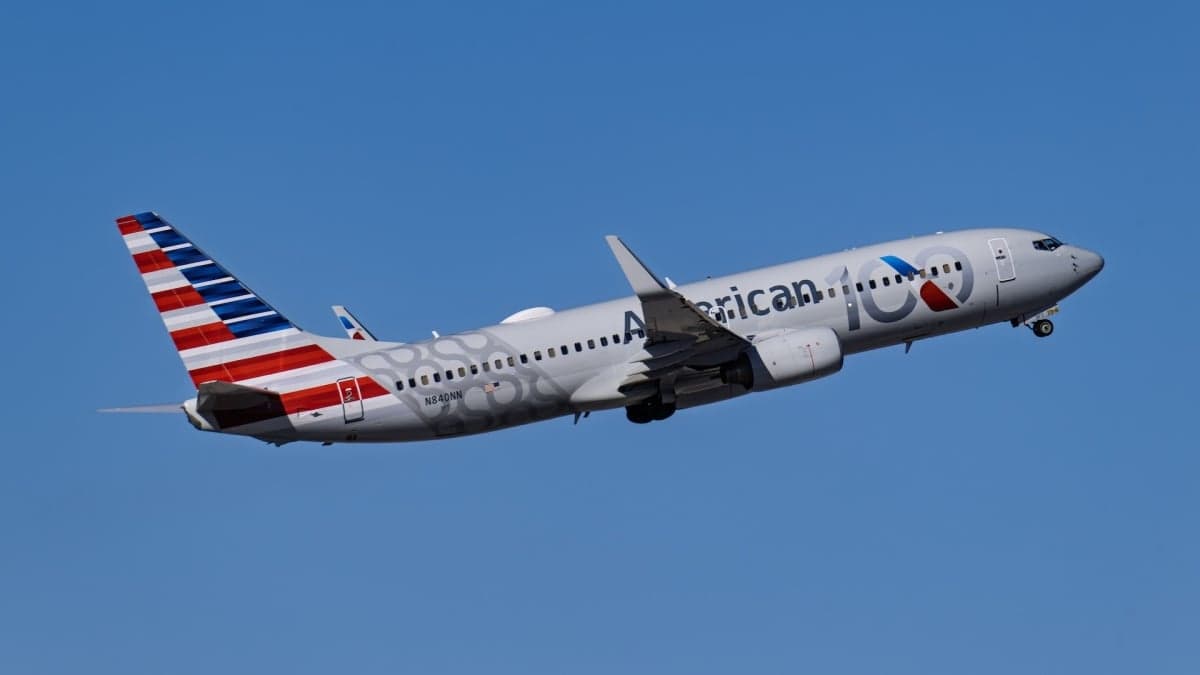
American Airlines, one of the largest airlines globally, has officially partnered with SpaceX to offer Starlink satellite internet on its planes. This deal promises faster and more reliable Wi-Fi for passengers. With this move, American Airlines joins a growing number of major airlines embracing Elon Musk’s satellite technology to enhance in-flight connectivity.
The switch to Starlink means that travelers can expect a notable upgrade in their ability to stream videos, browse the web, and stay connected while flying. Although the specific rollout schedule for the entire fleet is still under discussion, the initial installations are set to start by 2027, as reported by CNET. American Airlines is now part of a rising list of major carriers opting for Starlink.
How Starlink Is Changing In-Flight Connectivity
For years, in-flight Wi-Fi has frustrated many travelers due to its slow speeds, high costs, and unreliability. This problem largely stems from traditional satellite systems that rely on geostationary satellites positioned thousands of miles above the Earth. The long distance means signals must travel much further, resulting in higher latency and slower speeds.
Starlink, created by SpaceX, takes a different approach. It operates a vast array of small satellites orbiting closer to the Earth’s surface. Imagine this: traditional satellites are like distant lighthouses, whereas Starlink satellites resemble numerous streetlights right above you. This closeness significantly reduces the signal travel time, leading to much lower latency and higher speeds.
This technology allows Starlink to provide broadband-level internet speeds similar to what many experience at home or in the office. For passengers on a plane, that means a more stable internet connection that can handle multiple users streaming, video calling, and working at the same time without the usual slowdowns.
Why Airlines Are Betting on Starlink
American Airlines’ decision to adopt Starlink reflects a broader trend in the aviation industry. Passengers increasingly expect seamless connectivity, but traditional systems have struggled to meet this growing demand. Starlink offers several compelling advantages:
- Speed and Bandwidth: Starlink’s low Earth orbit network can deliver hundreds of megabits per second (Mbps) to each aircraft, far outpacing most current in-flight Wi-Fi services. This means more passengers can access the internet at the same time without experiencing a significant decline in performance.
- Lower Latency: The shorter signal travel time makes activities like video calls and online gaming much more practical, leading to a more responsive internet experience.
- Global Coverage: Starlink’s expanding constellation aims to provide near-global coverage, allowing passengers to stay connected even over oceans and in remote areas where traditional signals can’t reach.
As Mashable points out, the world’s largest airline is investing heavily to enhance its passenger experience through this partnership with Elon Musk’s internet company.
By The Numbers
| Metric | Detail |
|---|---|
| Airline Partner | American Airlines |
| Technology Provider | Starlink (SpaceX) |
| Initial Rollout Target | By 2027 |
| Key Benefit | High-speed, low-latency internet |
| Other Partners | JSX, Hawaiian Airlines, Qatar Airways (and more) |
What This Means for You
This deal is great news for travelers. Just picture boarding an American Airlines flight and being able to actually work, stream your favorite show, or video chat with family without any buffering or dropped connections. It’s not just about faster speeds; it’s about turning travel time into productive or entertaining time.
You can look forward to:
- Stream without buffering: Enjoy movies or TV shows from your favorite services.
- Work efficiently: Join video conferences, upload large files, or collaborate in real-time.
- Stay connected: Keep up with social media, send big emails, or browse the web just like you would on the ground.
While the initial rollout is planned for 2027, the long-term goal is to provide high-speed internet across a significant portion of American Airlines’ fleet. This will make fast internet a standard expectation rather than a premium, often unsatisfactory, extra.
Community Reactions
The announcement has generated excitement among frequent flyers and tech fans alike.
On Reddit, user u/FlightGeek99 shared, “Finally! In-flight Wi-Fi has been a joke for too long. If Starlink delivers, this changes everything for long-haul flights. No more downloading entire seasons before I fly!”
A YouTube commenter, @TravelTechie, noted on a related video, “This is the upgrade we’ve been waiting for. American Airlines is making a smart move here. The only question is, how much will it cost, and will it actually be *free* for loyalty members?”
What To Watch
As American Airlines gears up for its Starlink integration, several developments will be worth monitoring:
- Installation Timeline & Scale: The 2027 target is just the beginning. Updates on how quickly American will equip its entire fleet and which aircraft will be upgraded first are anticipated.
- Pricing Models: What will American Airlines charge for this premium service? Will it be a flat fee, usage-based, or integrated into loyalty programs? Many are eager to see if high-speed internet becomes a standard feature or a costly add-on.
- Performance Metrics: Once operational, real-world user experiences and independent speed tests will reveal how Starlink performs during peak demand on commercial flights.
- Competitor Responses: Other airlines using different providers (like Viasat or Intelsat) might accelerate their upgrade plans or consider switching to Starlink as competition intensifies for the best in-flight experience.
The partnership between American Airlines and Starlink marks a major step toward a future where flying doesn’t mean disconnecting. Travelers can look forward to a much more connected journey in the years ahead.

Daniel Park
Daniel Park covers AI, cloud infrastructure, and enterprise software for Explosion.com. A former software engineer who transitioned to technology journalism 5 years ago, Daniel brings technical depth to his reporting on artificial intelligence, startup funding rounds, and the companies building the future of computing. He breaks down complex AI developments and business strategies into clear, actionable insights for readers who want to understand how technology is reshaping industries.