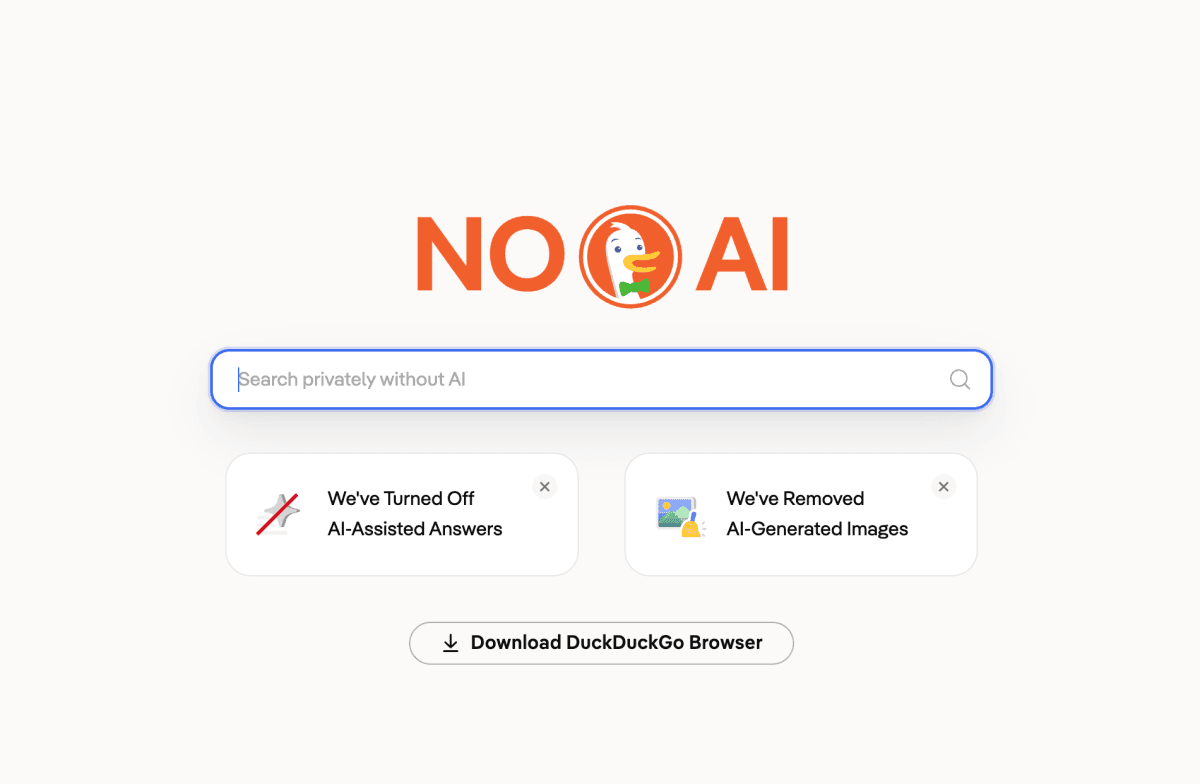
DuckDuckGo experienced a 30% increase in iPhone installs in the U.S. after Google’s I/O 2026 conference. During this event, Google announced it would replace traditional search results with AI-generated answers, as reported by TechCrunch and 9to5Mac.
What Google Changed — And Why People Are Upset
At Google I/O 2026, the company revealed a major redesign of its search engine. The classic “ten blue links” format that many have used since the early 2000s is being replaced by AI agents. These agents provide direct answers instead of just pointing users to websites. Now, instead of a list of clickable sources, users see an AI-generated summary and can engage in follow-up questions in a conversational manner.
For many, this feels less like an upgrade and more like losing a choice. The response was quick. Within days, DuckDuckGo noted a remarkable and sustained increase in U.S. usage, especially on iPhone.
Imagine this: Google used to act like a librarian, guiding you to the right books. Now, it wants to read those books and tell you what they say. Some users appreciate that. Others prefer to read for themselves.
DuckDuckGo’s Moment
DuckDuckGo, a privacy-focused search engine founded in 2008, has always aimed to be a viable alternative to Google. Its message is clear: no tracking of your searches, no personalized ads based on your behavior, and — especially now — genuine links to real websites.
The 30% spike in iPhone installs is noteworthy because iOS users generally stick with their app choices. Changing someone’s default search habits on an iPhone is tough, making this increase particularly significant.
While DuckDuckGo does have its own AI features, users have to opt in, rather than having them forced upon them. This seems to resonate with those who feel pressured by Google’s changes.
| Ticker | GOOGL |
|---|---|
| Stock Price | $389.65 (+0.21%) |
| CEO | Sundar Pichai |
| Founded | 1998 |
| Headquarters | Mountain View, CA |
| Sector | Big Tech |
| DuckDuckGo Install Spike | +30% (U.S., post-Google I/O 2026) |
Community Reactions
The backlash has been loud on social media. Users in tech communities on Reddit have expressed their frustrations openly:
“I don’t want AI to summarize the web for me. I want to see the actual sources so I can decide what’s credible. Google just decided that’s not what I need anymore.”
— Reddit user, r/technology (via TechCrunch reporting)
“Switched to DuckDuckGo this week after the I/O announcements. It feels like using the internet again instead of talking to a chatbot.”
— YouTube comment thread, 9to5Mac coverage of DuckDuckGo surge
What This Means For You
If you use Google Search on your iPhone, you might already notice some changes. AI Overviews (the AI-generated summaries at the top of search results) have been rolling out for months. The Google I/O event indicated that the shift to AI-driven search is speeding up.
Here’s the practical side: for simple queries, AI answers can be quicker and more straightforward. However, for research, shopping comparisons, or finding specific sources, many users find AI summaries frustrating and sometimes unreliable.
If you want to explore an alternative, changing your default search engine on iPhone takes about 30 seconds. Just go to Settings > Apps > Safari > Search Engine, where you’ll find options like DuckDuckGo, Bing, and more. You can also download the DuckDuckGo app, which includes a private browser.
Keep in mind that Google still holds about 90% of the global search market. While a 30% increase in DuckDuckGo installs is a strong indicator, it doesn’t currently threaten Google’s dominance. It does suggest, however, that users aren’t entirely satisfied with AI-first search.
Sources
- TechCrunch: DuckDuckGo installs are up 30% as users reject being ‘force-fed’ Google’s AI Search
- 9to5Mac: DuckDuckGo sees iPhone installs spike in the US following AI announcements at Google I/O
What To Watch
- Google’s rollout timeline: Google hasn’t set a specific date for when AI-first search will become the standard for all users. Keep an eye out for updates at Google’s Search On event, usually held in the fall.
- Apple’s next move: Apple decides which search engines show up in Safari settings. With the ongoing antitrust scrutiny of the Apple-Google search deal (valued at around $20 billion annually), Apple may have a reason to give alternative search engines more visibility.
- Whether the DuckDuckGo surge sticks: Install spikes don’t always mean long-term users. The real test is whether those who downloaded DuckDuckGo this week continue using it in 90 days — a figure we can expect to see in DuckDuckGo’s next usage report.
- Regulatory pressure: U.S. and EU regulators are closely monitoring Google’s search dominance. Forcing an AI-first experience on users could prompt new scrutiny regarding whether consumers genuinely have choices.

Daniel Park
Daniel Park covers AI, cloud infrastructure, and enterprise software for Explosion.com. A former software engineer who transitioned to technology journalism 5 years ago, Daniel brings technical depth to his reporting on artificial intelligence, startup funding rounds, and the companies building the future of computing. He breaks down complex AI developments and business strategies into clear, actionable insights for readers who want to understand how technology is reshaping industries.