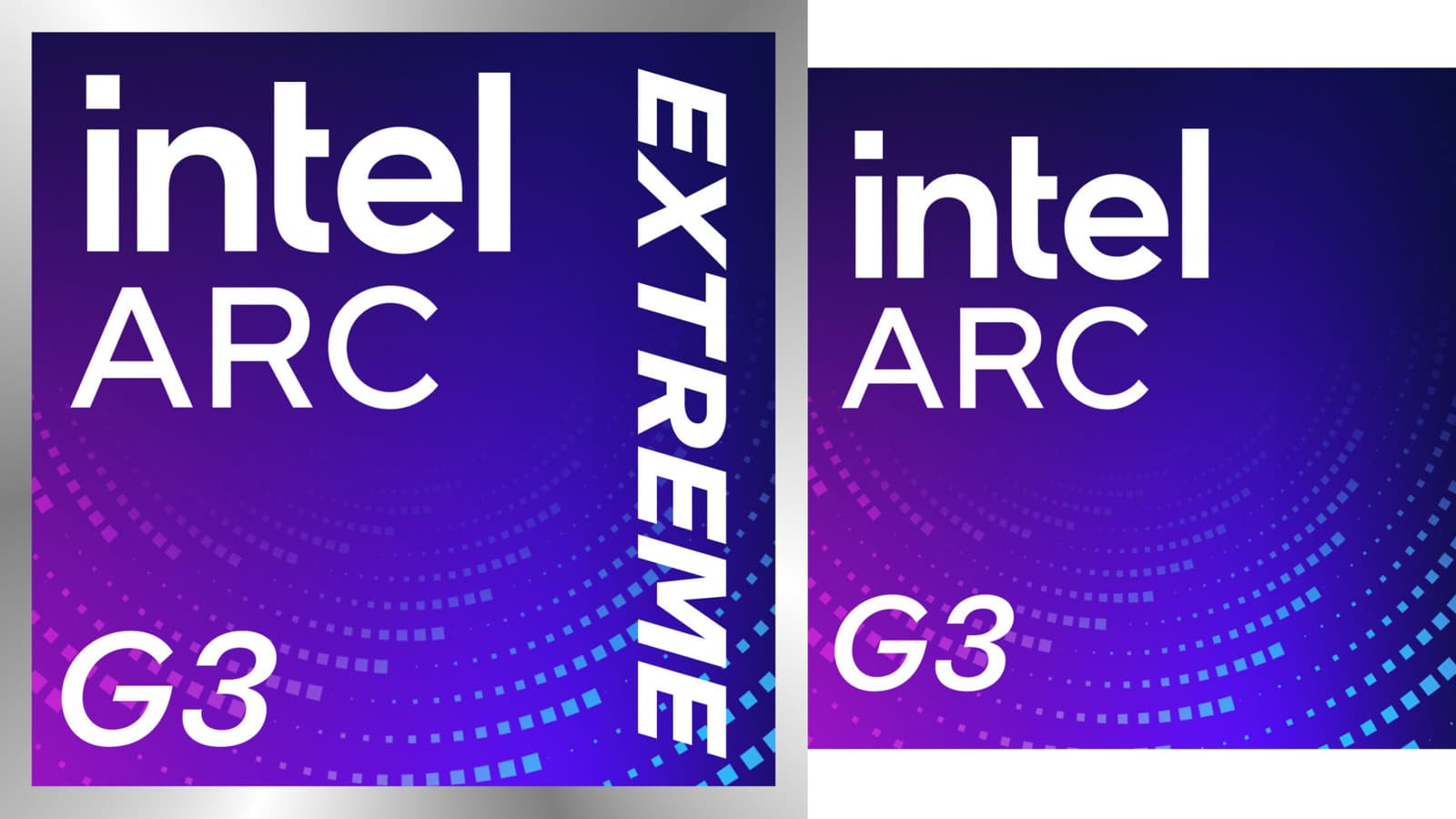
Acer has become one of the first companies to release a gaming handheld featuring Intel’s new Arc G3 chips. They’ve announced the Predator Atlas 8, which can be configured with either an Arc B370 or Arc B390 integrated GPU—this means the graphics processor is built directly into the chip instead of being a separate card.
What Intel’s Arc G3 Actually Is
For years, AMD has dominated the gaming handheld market. Devices like the Steam Deck, ASUS ROG Ally, and Lenovo Legion Go all rely on AMD silicon. Now, Intel is stepping into this arena with its Arc G-Series chips, and the G3 generation marks their entry.
The Predator Atlas 8 will offer two configurations. The base model comes with the Intel Arc G3 processor and a B370 GPU, while the premium version upgrades to the G3 Extreme, featuring a more powerful Arc B390 GPU. It’s like choosing a car: same frame, but a bigger engine in the higher-end model.
Intel’s Arc B-series graphics architecture is already known from its discrete desktop and laptop cards. The real innovation here is adapting the Battlemage architecture—Intel’s name for this GPU generation—for a handheld device. This gives Intel a solid case for competing against AMD’s integrated graphics found in devices like the ROG Ally X.
The Metal Fan Nobody Else Has
Acer is touting a unique feature: the Predator Atlas 8 uses a metal fan, which they claim is a first in the gaming handheld market. Most handhelds use plastic fan blades. Metal blades can spin faster and push more air without bending or warping, similar to why high-end desktop coolers switched to metal years ago.
Better airflow is crucial since gaming handhelds tend to heat up. You’re playing desktop-level games on a device that fits in your hands, and heat can hurt sustained performance. If a chip overheats, it automatically reduces its speed to cool down, causing frustrating stuttering and frame-rate drops during long gaming sessions. Improved cooling helps maintain peak performance for longer.
Why Intel Is Doing This Now
Intel’s desktop and laptop GPU business has been steadily growing. Their Arc cards are gaining market share in the budget-to-midrange segments. Handhelds are a logical next step, especially as Windows-based gaming handhelds are becoming a real consumer category instead of just a niche product.
The company is also feeling pressure. Intel’s stock has been trading below $20 a share for much of the past year. CEO Pat Gelsinger is urging the company to prove that its chip designs can compete in more product categories beyond traditional laptops and desktops.
| CEO | Pat Gelsinger |
|---|---|
| Ticker | INTC |
| Stock Price | $117.74 (-3.31%) |
| Headquarters | Santa Clara, CA |
| Founded | 1968 |
| Sector | Hardware |
| Predator Atlas 8 GPU Options | Arc B370 / Arc B390 |
| Cooling Innovation | Segment-first metal fan |
What This Means For You
If you’re in the market for a Windows gaming handheld, your chip options have been pretty limited to AMD. That’s about to change. Increased competition between AMD and Intel is great for consumers. It usually drives both companies to enhance performance and battery efficiency faster than they would on their own, and it gives retailers more reason to offer discounts.
The Arc B390 in the premium Atlas 8 configuration introduces Intel’s current-generation Battlemage GPU architecture to a portable device for the first time. This means you’ll get hardware-accelerated ray tracing, XeSS upscaling (Intel’s AI tool for sharper images at lower resolutions, similar to AMD’s FSR or NVIDIA’s DLSS), and DirectX 12 Ultimate support. These features will help you play newer titles at decent frame rates without draining the battery within 45 minutes.
The metal fan cooling upgrade might sound like a marketing gimmick, but it has tangible benefits. You’ll enjoy better sustained performance during those long gaming sessions, leading to less throttling when you’re facing off against a final boss or in a competitive match.
Pricing and availability details for the Predator Atlas 8 haven’t been revealed yet.
What Reviewers and Fans Are Saying
Community feedback has been cautious yet curious. On XDA Developers, one commenter captured the general sentiment: “Cautiously optimistic. Intel’s Arc drivers have come a long way, but I want to see actual sustained performance numbers before I get excited.” (via XDA Developers comment section)
On YouTube, a viewer responded to early coverage, saying: “The metal fan is a nice touch, but the real question is whether Intel can match AMD’s power efficiency at similar TDP. That’s what actually matters in a handheld.” (via YouTube)
The driver concern is valid. Intel’s Arc GPU drivers faced a rough start in 2022 and 2023, struggling with compatibility issues in older games. While Intel has improved significantly since then, potential buyers are right to be cautious.
Further Reading
- Intel’s Arc G-Series chips will power a new generation of gaming handhelds (Engadget)
- Intel’s Arc G3-Series chips are here to power the next generation of handheld gaming PCs (XDA Developers)
- Acer brings Intel Arc B390 graphics to Predator Atlas 8 gaming handheld (Tom’s Hardware)
What To Watch
- Pricing announcement: Acer hasn’t confirmed a price or release date for the Predator Atlas 8 yet. Keep an eye out for updates during upcoming retail events or the next major gaming trade show.
- Competing announcements: XDA Developers reports that other handheld makers may soon announce Intel Arc G3-based devices. We could see a wave of new handhelds using this chip before the end of 2025.
- Benchmark reviews: The real test lies in independent performance comparisons between the Arc B390 and AMD’s current handheld chips at similar power limits. Expect these reviews once the review units are released.
- Driver updates: Intel usually releases GPU driver updates alongside major hardware launches. Monitoring the Arc driver release schedule after the G3 launch will indicate how committed the company is to supporting the handheld platform in the long run.

Maya Torres
Maya Torres is the Consumer Tech Editor at Explosion.com with 7 years covering product launches for major technology publications. She has reviewed over 300 devices across smartphones, laptops, wearables, and smart home products. Maya specializes in translating spec sheets into real-world buying advice and attends CES, MWC, and Apple keynotes as press. Her reviews focus on helping readers decide what to buy, not just what specs look good on paper.