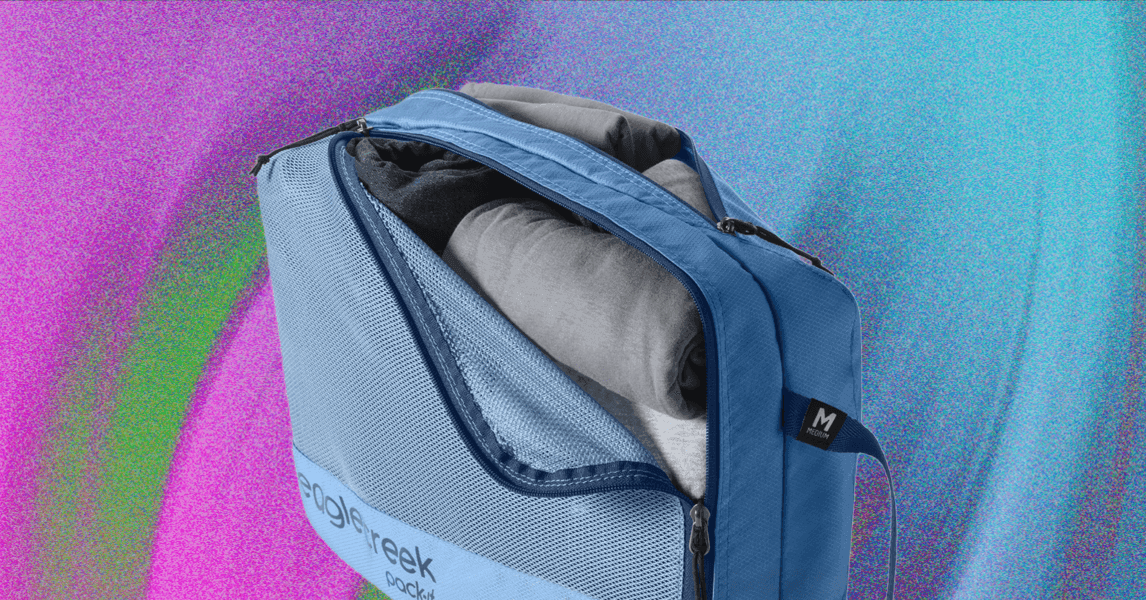
Packing cubes — zippered fabric compartments designed to organize clothes in your suitcase or backpack — have transformed from a niche travel accessory to an essential item for many. Wired’s recent roundup, after testing numerous options, highlights how competitive and confusing the market has become.
What Are Packing Cubes, and Why Do They Matter?
Think of packing cubes as drawer organizers for your luggage. Instead of rummaging through a messy pile of clothes to find a single sock, you can sort everything into labeled or color-coded cubes before you hit the road. Once you arrive at your hotel, you can easily slide the cubes into the dresser or keep them in your bag without any chaos.
This might sound straightforward, but the quality of packing cubes varies greatly. Factors like material weight, zipper durability, compression capability, and how well the sizing matches actual luggage dimensions make a big difference. Wired’s testing examined all these aspects across a wide range of products and price points.
What the Testing Found
Not All Cubes Are Built the Same
One key takeaway from the testing is that price doesn’t always indicate performance. Some budget-friendly cubes priced between $15 and $25 held up just as well as premium options that cost three times as much, but only in certain situations. For instance, lightweight backpackers need ultra-thin ripstop nylon to save every gram, while travelers with checked bags who want to keep blazers wrinkle-free require a different design.
Compression cubes, which feature a second zipper that removes air and flattens clothes, worked particularly well for bulky items like sweaters and jeans. However, they do add some weight and are less effective if you need to keep clothes wrinkle-free for your arrival.
Sizing Is the Biggest Trap
Many travelers end up buying packing cubes that don’t fit their bags properly. A cube labeled “large” from one brand might hold 14 liters, while another brand’s “large” could only hold 8. Wired’s guide stresses the importance of matching cube dimensions to your specific luggage rather than relying solely on size labels.
By The Numbers
| Category | Detail |
|---|---|
| Cubes tested | Dozens across multiple brands and price tiers |
| Typical budget option price range | $15 – $25 per set |
| Typical premium option price range | $60 – $90 per set |
| Key differentiators tested | Material weight, zipper durability, compression, size accuracy |
| Guide published by | Wired (author: Kat Merck) |
What This Means for Everyday Travelers
If you’ve ever had to repack your suitcase multiple times at a hotel because everything shifted during your flight, packing cubes can solve that problem right away. The real benefit isn’t just organization; it’s about saving time. Frequent travelers often find that a good cube system cuts their packing time significantly since everything has its designated spot.
For those traveling with only carry-ons, compression cubes can make a big difference. They can help you fit a week’s worth of clothes into an overhead bin bag, which may save you from paying for checked luggage. That can easily cover the cost of a quality set on just one round trip.
The guide also offers great tips for gift-giving. Packing cubes remain one of the most appreciated travel gifts since many people either don’t have them yet or are using mismatched sets they bought on impulse at an airport store.
What Travelers Are Saying
“Been using the same Eagle Creek set for 6 years. Zippers are still perfect. Buy once, cry once applies here.”
“Tried the compression ones for a ski trip and genuinely could not believe how much I fit in a personal item bag. Game changer for bulky clothes.”
How to Pick the Right One
The short version of what guides like Wired’s full roundup recommend:
- Backpackers and ultralight travelers: Choose the lightest ripstop nylon option you can find. Every gram counts on long hikes.
- Checked-bag flyers: Standard cubes with sturdy YKK zippers (a reliable zipper brand recognized for quality) are ideal. Skip compression unless you’re packing bulky fabrics.
- Business travelers: Look for cubes with a flat design and soft material that won’t wrinkle dress shirts or suit fabrics.
- Families: Color-coded sets let each person claim their own cubes, making unpacking at a vacation rental much quicker.
What To Watch
- Summer 2026 travel season: Demand for travel gear usually spikes between June and August, which can lead to limited stock on popular sets. If you’re planning a summer trip, buying in the next few weeks will lock in current pricing.
- Sustainable materials trend: Several brands are moving toward recycled nylon and organic cotton cubes. Expect more of these options to appear in mainstream retailers through late 2026 as sustainability becomes a bigger factor for travelers.
- Airline carry-on policy updates: Many major airlines have been tightening personal item size regulations. If those restrictions increase, compression cubes that maximize space within strict dimensions will likely see a surge in popularity.

Ava Mitchell
Ava Mitchell is a digital culture journalist at Explosion.com covering social media platforms, streaming services, and the creator economy. With 4 years reporting on TikTok, Instagram, YouTube, and the apps that shape daily life, Ava specializes in explaining platform policy changes and their impact on everyday users. She previously managed social media strategy for a tech startup, giving her firsthand experience with the platforms she now covers.