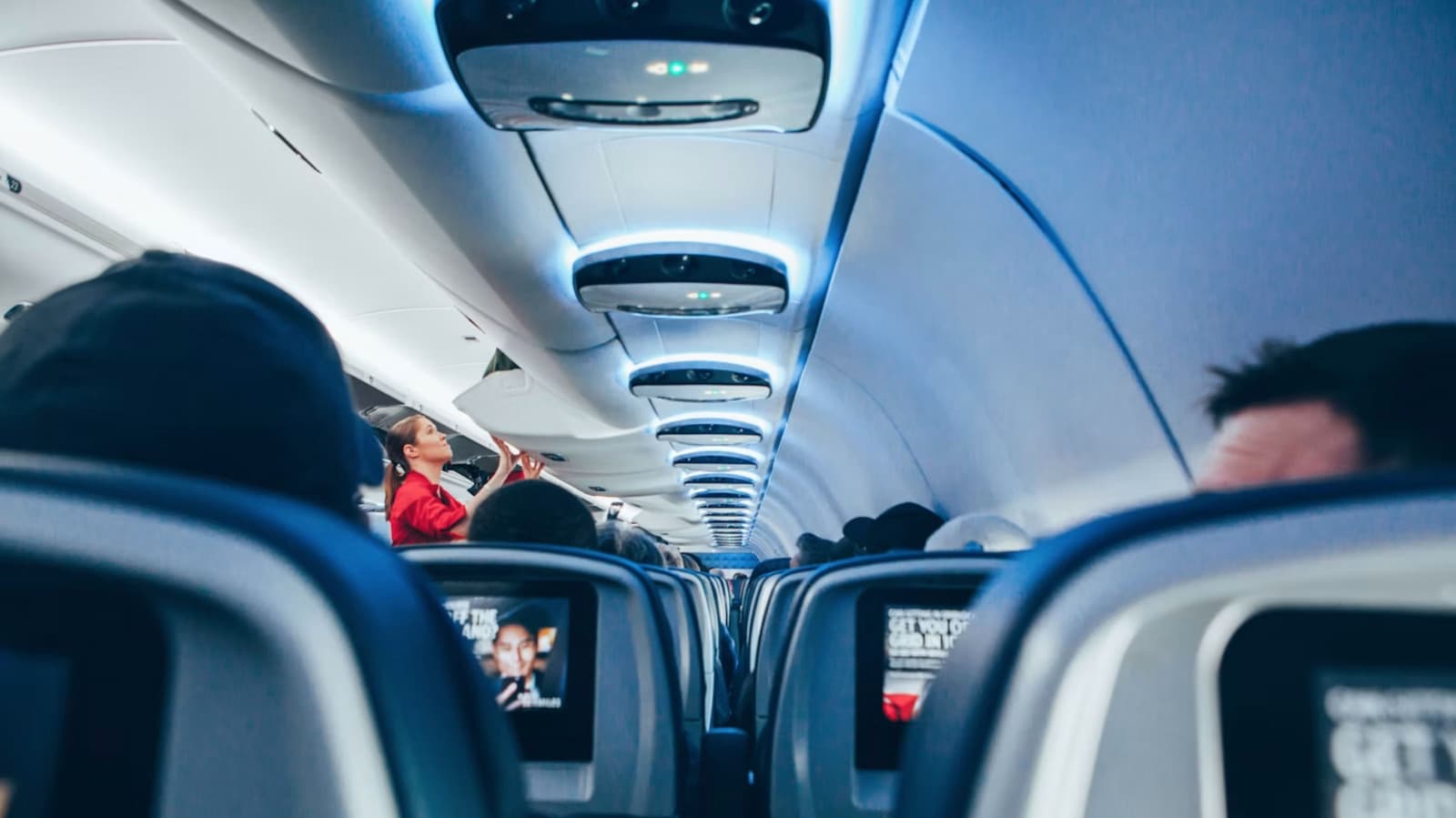
Starlink and other satellite internet providers are gearing up to enhance in-flight Wi-Fi on many commercial airline flights by 2027. American Airlines is one of the latest major carriers to announce a partnership with SpaceX’s Starlink service.
What’s Actually Happening
American Airlines has confirmed plans to equip its fleet with Starlink, joining a growing list of airlines that are investing in low-Earth orbit (LEO) satellite internet. This type of service comes from satellites orbiting just a few hundred miles above Earth. That’s much closer than traditional satellites, resulting in faster speeds and less lag.
Previously, airlines relied on ground-based cell towers or older geostationary satellites positioned about 22,000 miles above the Earth. This distance caused a noticeable delay, which is why video calls over traditional satellite internet often felt sluggish. In contrast, LEO satellites like SpaceX’s Starlink constellation orbit at around 340 miles up, reducing that delay significantly.
Think of it like shouting across a football stadium compared to chatting with someone across a dinner table. Same message, but a very different experience.
Who’s Getting It and When
American Airlines plans to start rolling out Starlink-powered Wi-Fi in 2026, with plans for broader fleet coverage by 2027. They’re joining other carriers that are already at various stages of adopting Starlink or similar LEO-based services. By 2027, satellite-based in-flight internet might transition from a novelty to the standard offering.
Other satellite companies, like OneWeb (now under the Eutelsat brand) and Amazon’s Project Kuiper, are also competing for airline contracts. However, Starlink currently boasts the largest operational constellation, with thousands of satellites already in orbit.
| Starlink satellites in orbit | ~7,000+ |
| Starlink orbital altitude | ~340 miles above Earth |
| Traditional geostationary satellite altitude | ~22,000 miles above Earth |
| American Airlines fleet size | ~960 mainline aircraft |
| Expected broad rollout | 2027 |
Why Airlines Are Moving Fast on This
In-flight Wi-Fi has often been a source of complaints among travelers. Slow speeds, dropped connections, and high fees for service that barely loads a webpage have led many to skip it altogether.
Airlines have a financial incentive to improve this service. More business travelers now consider reliable, fast internet when choosing airlines. If one airline’s Wi-Fi allows you to conduct a video call at 35,000 feet while a competitor’s barely loads emails, that difference definitely impacts booking choices.
Starlink’s aviation service, known as Starlink Aviation, has already been tested on private jets and some regional carriers. Reported speeds can reach several hundred megabits per second under ideal conditions, which is fast enough to stream video or join video conferences without the annoying buffering that older in-flight systems caused.
What This Means for You
If you fly with American Airlines regularly, expect to see Starlink hardware — a flat antenna mounted on the fuselage — on more planes in the next couple of years. The upside: Wi-Fi that actually works like your home or office internet, not the sluggish and overpriced connection that’s often made passengers hesitant to even try it.
Whether ticket prices will change alongside this improved service remains to be seen. Some airlines have started bundling Wi-Fi into ticket prices or frequent flyer perks, and as technology costs drop, pressure might mount for others to follow suit. For now, anticipate a better experience before any significant price changes happen.
For those who work during flights, this upgrade could really change how productive those hours feel. A reliable connection will turn flight time into valuable work time in a way that spotty, high-latency legacy systems never could.
Community Reaction
“Finally. I’ve paid $35 for airline Wi-Fi that couldn’t load a Google Doc. If Starlink actually delivers what it does on the ground, this is the single best upgrade airlines could make.”
— u/FrequentFlyer_PDX, r/travel
“The antenna installs are the bottleneck here. Retrofitting an entire fleet takes years. 2027 for full coverage sounds optimistic, but I’ll believe it when I see it.”
— YouTube commenter on The Points Guy’s Starlink Aviation coverage
What To Watch
- 2026: The first American Airlines flights with Starlink will begin. Early passenger feedback will reveal real-world performance compared to the marketing hype.
- 2027: Most analysts expect LEO satellite internet to become the standard in-flight connectivity for major U.S. and international airlines.
- Amazon Kuiper: Amazon plans to start commercial Kuiper service in 2025-2026. If they secure airline contracts, Starlink will face its first serious LEO competitor in aviation.
- Pricing models: Keep an eye on whether airlines start including Wi-Fi in base fares as technology costs decrease, which could prompt competitors to follow suit.
Sources: Engadget: SpaceX’s Starlink will soon provide in-flight Wi-Fi for American Airlines | 9to5Mac: Satellite-based internet will power inflight Wi-Fi on a lot more planes in 2027

Daniel Park
Daniel Park covers AI, cloud infrastructure, and enterprise software for Explosion.com. A former software engineer who transitioned to technology journalism 5 years ago, Daniel brings technical depth to his reporting on artificial intelligence, startup funding rounds, and the companies building the future of computing. He breaks down complex AI developments and business strategies into clear, actionable insights for readers who want to understand how technology is reshaping industries.