
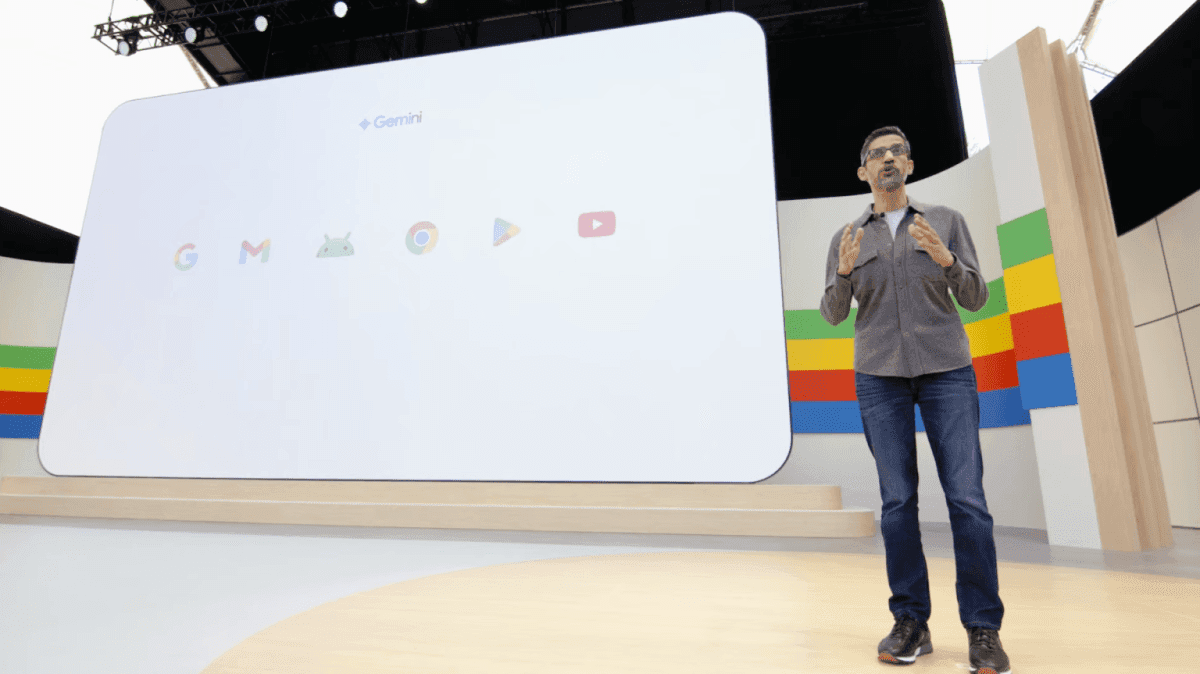
Google has quietly made AI-generated answers the default experience for nearly every search you run. Whether you like it or not, you’re likely using it already.
The company’s AI Overviews feature puts a machine-generated summary at the top of search results, before any traditional links. This new design has become the standard interface for Google Search. According to a Wired investigation, the setup is so seamless that even those who distrust AI often read and depend on these summaries without even realizing it.
Critics argue that this convenience comes with a serious cost for the wider web.
The Gravity Well You Can’t Escape
Imagine Google’s AI Overviews like an airport moving walkway. You can step off and walk on your own, but it’s easy to stay put and let it carry you. The answer sits right there at the top—synthesized, clean, and confident. You have to put in some effort to scroll past it to find an actual website.
This setup is intentional. Google’s AI gathers information from all over the web and presents it as a single, authoritative answer. The original sources—journalists, researchers, bloggers, or small businesses—get pushed further down the page or overlooked altogether.
Wired describes this as a slow drain on the ecosystem that makes search useful in the first place. If users don’t click through to the original sources, those sources may eventually stop producing content. And if they stop, there’s nothing left for the AI to learn from.
When the AI Breaks the Interface Entirely
We’re already seeing some cracks in the system. A TechCrunch report found that searching for the word “disregard” breaks Google’s search interface. This word is often used in prompt injection attacks, where someone tries to override an AI’s instructions by slipping in commands like “disregard all previous instructions.” It seems to trigger a defensive response from Google’s AI layer, leading to a malfunction on the results page.
This small but telling example highlights a bigger issue. Google has built a massive AI system on top of its search index, and it has its own failure modes that aren’t related to traditional search. A word that any human understands can confuse the machine in charge.
| Google / Alphabet — Company Snapshot | |
|---|---|
| Parent Company | Alphabet Inc. (GOOGL) |
| Stock Price | $382.97 (-1.21%) |
| CEO | Sundar Pichai |
| Headquarters | Mountain View, CA |
| Founded | 1998 |
| Sector | Big Tech |
What This Means For You
If you use Google Search, you’re already interacting with AI responses, likely multiple times a day. Here’s how this affects regular users:
- You get faster answers, with less context. AI Overviews are usually accurate for simple questions. But they oversimplify complicated topics. A medical question or nuanced news story deserves more than a three-sentence summary.
- You might not know where the information came from. AI Overviews do cite sources, but most people don’t click through to verify them. This makes it tough to judge whether the answer is reliable.
- The websites you used to visit are getting less traffic. Fewer clicks to original sources mean less ad revenue for publishers, fewer jobs for writers, and eventually less content for Google’s AI to summarize. It’s a cycle that feeds on itself.
- Opting out is technically possible but inconvenient. You can search using the “Web” filter to see traditional link results, but you have to actively choose it every time. Most users won’t bother.
The Consent Problem
This situation differs from typical tech criticism because of the consent issue. Usually, products ask you to sign up, agree to terms, or at least make a choice. But Google’s AI integration skips that step entirely. You open a browser, type a question, and the AI is already there answering it.
Wired puts it like this: you didn’t choose AI search; you just chose to search. Google made the rest of the decision for you.
This isn’t illegal, and it may not even be unusual in the tech industry. But it marks a significant shift in how one of the world’s most-used products works, done without a public announcement or a meaningful opt-out that most users would find.
Community Reaction
“The problem isn’t that AI answers are always wrong. The issue is that they’re right often enough that you stop checking. And then the one time they’re wrong, you’ve already acted on it.”
— u/ferrofluid_thoughts, Reddit
“I searched for something yesterday, and the AI overview confidently said something I knew was outdated. I scrolled down and found the actual article; it had been corrected two years ago. The AI just… didn’t know.”
— YouTube comment on a Wired video about AI search
What To Watch
- Publisher lawsuits and licensing deals. Several major news organizations are already negotiating with Google about how their content is used to train and feed AI Overviews. Expect more formal disputes in the latter half of 2025.
- Regulatory attention in the EU. European regulators have moved faster than U.S. authorities to scrutinize default settings that limit user choice. A challenge to AI Overviews as a default interface is likely under existing digital market rules.
- Traffic data from publishers. If major media companies begin reporting significant drops in Google referral traffic during their Q2 earnings calls, that’ll show how much this shift is affecting the web economy.
- Google I/O follow-up features. Google has hinted at further AI integration into Search throughout 2025. Watch for new announcements about how users can control or customize their AI experience, which would suggest the company is responding to the backlash.

Daniel Park
Daniel Park covers AI, cloud infrastructure, and enterprise software for Explosion.com. A former software engineer who transitioned to technology journalism 5 years ago, Daniel brings technical depth to his reporting on artificial intelligence, startup funding rounds, and the companies building the future of computing. He breaks down complex AI developments and business strategies into clear, actionable insights for readers who want to understand how technology is reshaping industries.