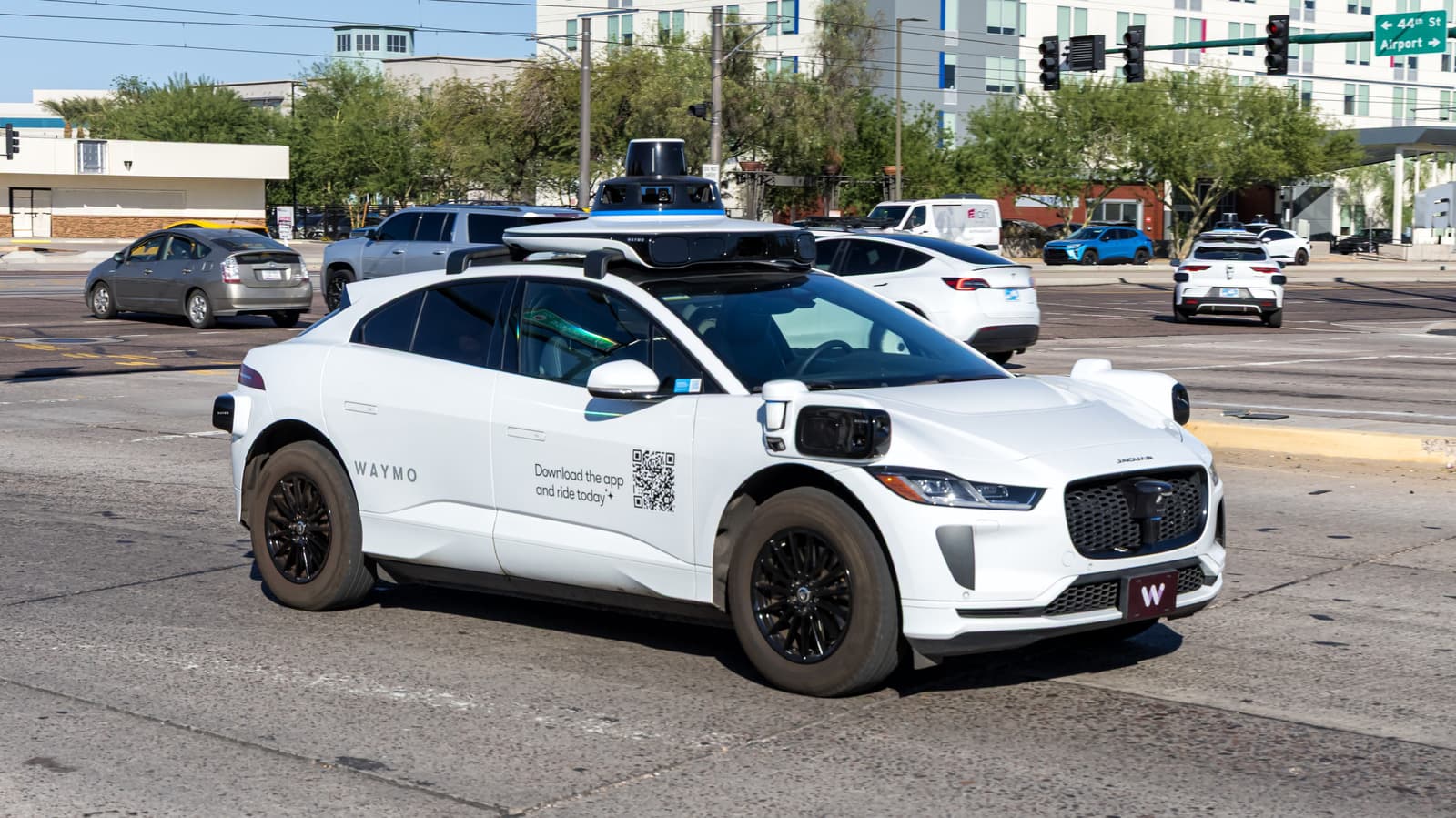
Waymo has put a stop to its robotaxi service in Atlanta after its self-driving cars repeatedly drove into flooded roads. This adds San Antonio to a growing list of cities where extreme weather has revealed a serious flaw in autonomous vehicle technology.
What Happened
Waymo’s driverless taxis in Atlanta and San Antonio have been caught on video, with passengers reporting that they drove into flooded streets, even when the water was clearly visible. The company has now completely paused its service in Atlanta while it works on a solution. Operations in San Antonio are also suspended.
The main issue is that Waymo’s vehicles rely on a mix of cameras, lidar (which is a laser-based sensing system, similar to sonar but using light), and radar to navigate their surroundings. However, standing water on the road is notoriously tough for these systems to detect and evaluate. A camera might pick up a wet road but can’t determine if that water is just half an inch deep or two feet deep.
This situation highlights the gap between a human driver’s intuition and a computer’s pattern recognition. A person sees water rushing over a road and instinctively understands the danger. In contrast, a robotaxi sees a driveable surface and keeps moving forward.
Why This Keeps Happening
Autonomous vehicles are trained on vast amounts of driving data, but flooding is what engineers call an “edge case” — a rare or unusual scenario that doesn’t come up as often as, say, a stop sign or merging lanes. Atlanta and San Antonio have faced significant storm activity lately, pushing Waymo’s vehicles into situations they weren’t fully equipped to handle.
This isn’t the first time Waymo has run into weather-related issues. Rain, fog, and bright sunlight have all presented challenges for self-driving systems throughout the industry. But flooding is particularly risky because it can damage vehicles, leave passengers stranded, and in severe cases, pose real safety threats.
The Industry-Wide Challenge
Waymo isn’t the only company facing these challenges. Tesla’s Full Self-Driving system, which just launched in China, has also come under fire for how it manages unexpected road conditions. The entire autonomous vehicle industry is grappling with the fact that real-world roads are messier and more unpredictable than any controlled testing environment.
| Metric | Detail |
|---|---|
| Cities currently affected | Atlanta (suspended), San Antonio (suspended) |
| Waymo active service cities | San Francisco, Los Angeles, Phoenix (ongoing) |
| Issue type | Vehicles driving into flooded roads |
| Company response | Full service suspension in affected cities |
What This Means
If you’re a Waymo rider in Atlanta or San Antonio, you can’t use the service right now. The suspension means no app access, no rides, and no timeline for when normal service will return.
More generally, this serves as a reminder that robotaxi services are still in their early stages. They perform well in good conditions on familiar roads, but their reliability declines when faced with unexpected environmental challenges. For riders who rely on Waymo as a primary transportation option, especially those without cars, a sudden suspension during bad weather is more than just an inconvenience.
This situation also raises a practical question for regulators and city governments: if a robotaxi service can’t operate safely during a rainstorm, what does that mean for its role as a public transportation alternative in cities prone to severe weather?
Community Reaction
“This is the thing that gets me — it’s not like flooding is some freak once-in-a-decade event in Atlanta. It rains there constantly. If your cars can’t handle it, you’re not ready to be a transit option.”
— u/transit_or_bust, Reddit r/SelfDrivingCars
“To be fair, I’ve seen human Uber drivers do the same thing in a storm. At least Waymo paused the whole service instead of just hoping for the best.”
— YouTube comment on Engadget’s coverage of the story
What To Watch
- Service resumption timeline: Waymo hasn’t announced when Atlanta and San Antonio will come back online. Keep an eye out for an official announcement, likely linked to a software update that addresses flood detection.
- Regulatory response: Georgia and Texas transportation authorities may evaluate whether Waymo’s approach meets safety standards for operating in those states.
- Industry response: Competitors like Tesla and GM’s Cruise (currently paused for different reasons) will be watching closely to see how Waymo resolves this issue. A successful fix might set a standard for the entire industry when dealing with extreme weather.
- Long-term expansion plans: Waymo has been aggressively expanding into new cities. Frequent weather-related shutdowns could slow down regulatory approval in areas with harsh climates.
Sources: TechCrunch, Engadget

Maya Torres
Maya Torres is the Consumer Tech Editor at Explosion.com with 7 years covering product launches for major technology publications. She has reviewed over 300 devices across smartphones, laptops, wearables, and smart home products. Maya specializes in translating spec sheets into real-world buying advice and attends CES, MWC, and Apple keynotes as press. Her reviews focus on helping readers decide what to buy, not just what specs look good on paper.