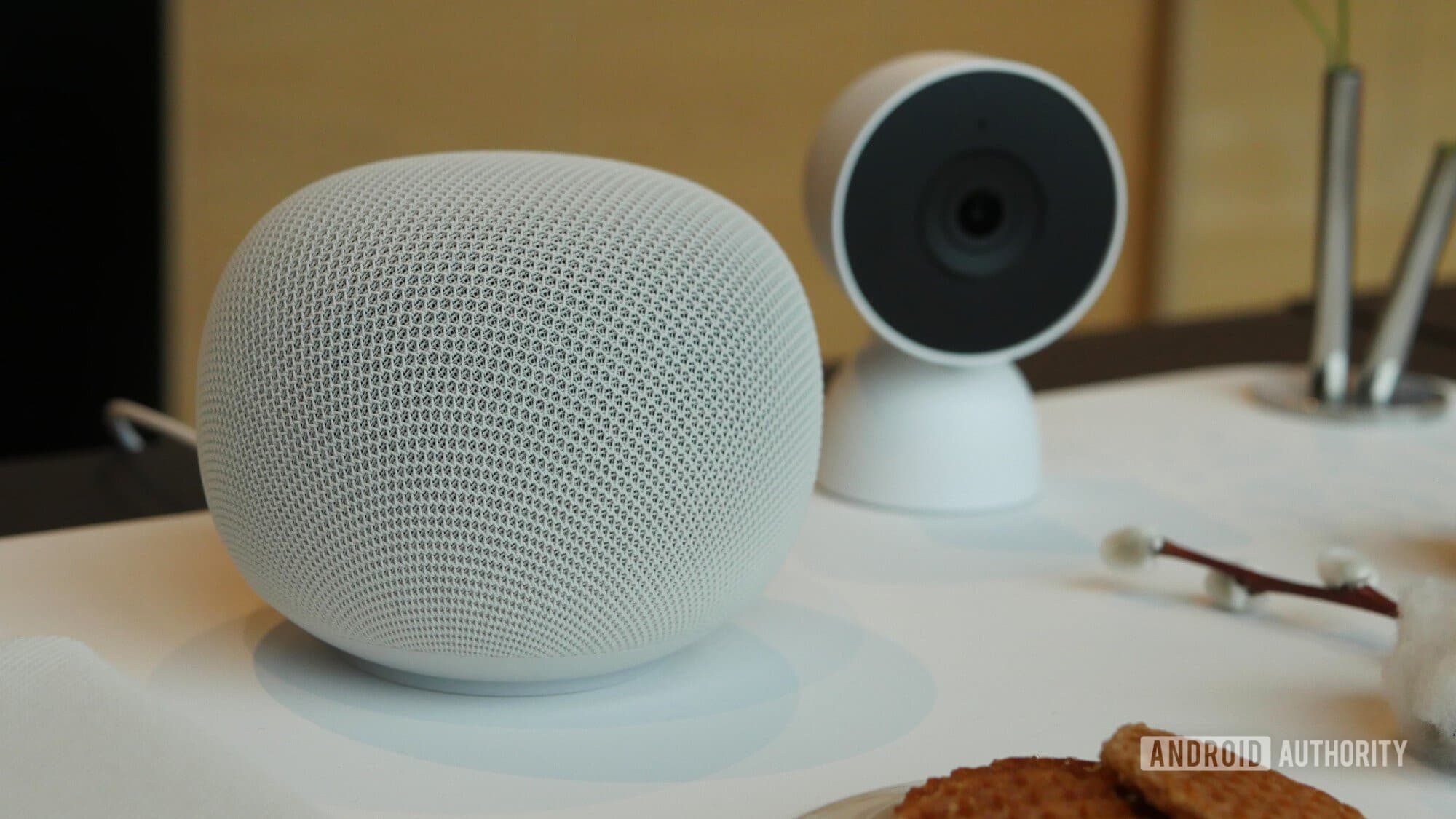
Google is set to roll out a collection of open technical blueprints, enabling device manufacturers to create Gemini-powered smart home products without starting from square one. This could help Google’s AI assistant reach millions more homes, from living rooms to kitchens and bedrooms.
What Google Is Actually Doing
Think of it as a franchise model. Instead of building every Gemini-compatible smart home device itself, Google is providing hardware partners with a comprehensive playbook. These blueprints include the technical specs, software integrations, and design requirements needed to create a device that runs on Gemini — Google’s large language model, which understands and generates natural language — right from the get-go.
The initiative, dubbed “Gemini for Home,” aims to make it easier for hardware makers to join in. Previously, a company wanting to deeply integrate Gemini into its smart speaker or display faced a hefty engineering challenge to connect their device to Google’s AI backend. With these blueprints, a lot of that work is already taken care of.
This approach mimics what Google did with Android years ago. Rather than manufacturing every smartphone, Google provided the operating system and let manufacturers handle the hardware. Gemini for Home applies a similar strategy to smart home gadgets.
Why This Matters More Than It Sounds
Currently, Gemini is mostly found in Google’s own products, like Nest speakers and displays. That represents just a small slice of the overall smart home market, which features hundreds of device types from a variety of brands — including thermostats, security cameras, smart TVs, and kitchen appliances.
By releasing these blueprints, Google is essentially enlisting a legion of manufacturers to do the expansion work for them. If a smart display maker in Taiwan or a home security firm in Germany can integrate Gemini into their products without months of extra engineering, that could be a strong motivator.
This move directly challenges Amazon’s Alexa and Apple’s HomeKit ecosystem. Both competitors have spent years building networks of compatible third-party devices. Now, Google is ramping up its own race to catch up.
What Gemini Actually Does in Your Home
Unlike the older Google Assistant, which mainly responded to simple commands like setting timers or playing music, Gemini can tackle more complex, conversational queries. You might ask, “I have chicken, garlic, and pasta — what can I make for dinner, and can you set the oven to the right temperature?” and receive a helpful, multi-step answer.
In a home setting, this kind of contextual understanding — where the AI can engage in back-and-forth conversations and remember previous statements — transforms devices from mere appliances into genuine assistants.
| By The Numbers: Alphabet/Google | |
|---|---|
| Stock (GOOGL) | $382.97 (-1.21%) |
| CEO | Sundar Pichai |
| Headquarters | Mountain View, CA |
| Founded | 1998 |
| Sector | Big Tech |
| Gemini for Home Program | Open blueprints for hardware partners |
What This Means for Everyday Users
If this strategy succeeds, you’ll see more devices available at stores like Best Buy or Amazon featuring built-in Gemini, without any extra setup needed. You won’t have to buy a Google-branded product to enjoy Google’s best AI capabilities at home.
More competition among device makers is likely, which usually results in better products at lower prices. Imagine a smart thermostat with full Gemini integration priced at $80 instead of $200 if manufacturing costs remain low and more brands join the market.
On the flip side, there’s the issue of privacy. More Gemini-powered devices mean more microphones and sensors throughout your home linked to Google’s cloud. Users who are wary about smart home data collection will need to carefully evaluate these devices before making a purchase.
What Manufacturers Get Out of This
For hardware partners, this offers a major shortcut. Developing AI features from the ground up can be costly and slow. Google’s blueprints cut down that investment significantly, enabling smaller manufacturers to compete with larger brands on AI capabilities without needing extensive software teams.
As reported by Android Authority, Google is crafting the program so that partners don’t need much additional investment beyond their current product development budget. This is a considerable incentive in a market characterized by thin margins.
Engadget points out that Google isn’t satisfied with Gemini’s current footprint in homes and is aggressively working to expand it through partnerships instead of waiting to develop every device category themselves.
Community Reactions
“The Android analogy is spot on. Google basically won mobile by letting everyone else build the hardware. If they pull this off for smart home devices, Alexa is in trouble.”
— u/TechWatcher_PDX, Reddit
“Cool in theory, but I’ve seen Google kill off smart home products before. Why would a manufacturer stake their product roadmap on this?”
— YouTube commenter on Android Authority’s coverage
The second reaction highlights a genuine concern in the hardware community. Google has a track record of discontinuing products and services, which makes some manufacturers reluctant to base their entire product strategy on Google’s platforms.
What To Watch
- First partner announcements: Keep an eye out for hardware brands formally announcing Gemini for Home products. This will indicate whether manufacturers are taking Google up on the offer.
- Google I/O follow-up: Google typically uses its developer conferences to showcase real-world demonstrations of new platform features. Expect more detailed showcases of Gemini in third-party devices in the coming months.
- Amazon’s response: Amazon has been revamping Alexa with its own AI upgrades. The speed of Amazon’s response with its own third-party program will determine if Google gains a head start or faces immediate competition.
- Regulatory attention: As Google integrates its AI into home hardware across numerous brands, anticipate increased scrutiny from regulators in the EU and US, who are already monitoring Big Tech’s AI growth closely.

Maya Torres
Maya Torres is the Consumer Tech Editor at Explosion.com with 7 years covering product launches for major technology publications. She has reviewed over 300 devices across smartphones, laptops, wearables, and smart home products. Maya specializes in translating spec sheets into real-world buying advice and attends CES, MWC, and Apple keynotes as press. Her reviews focus on helping readers decide what to buy, not just what specs look good on paper.