
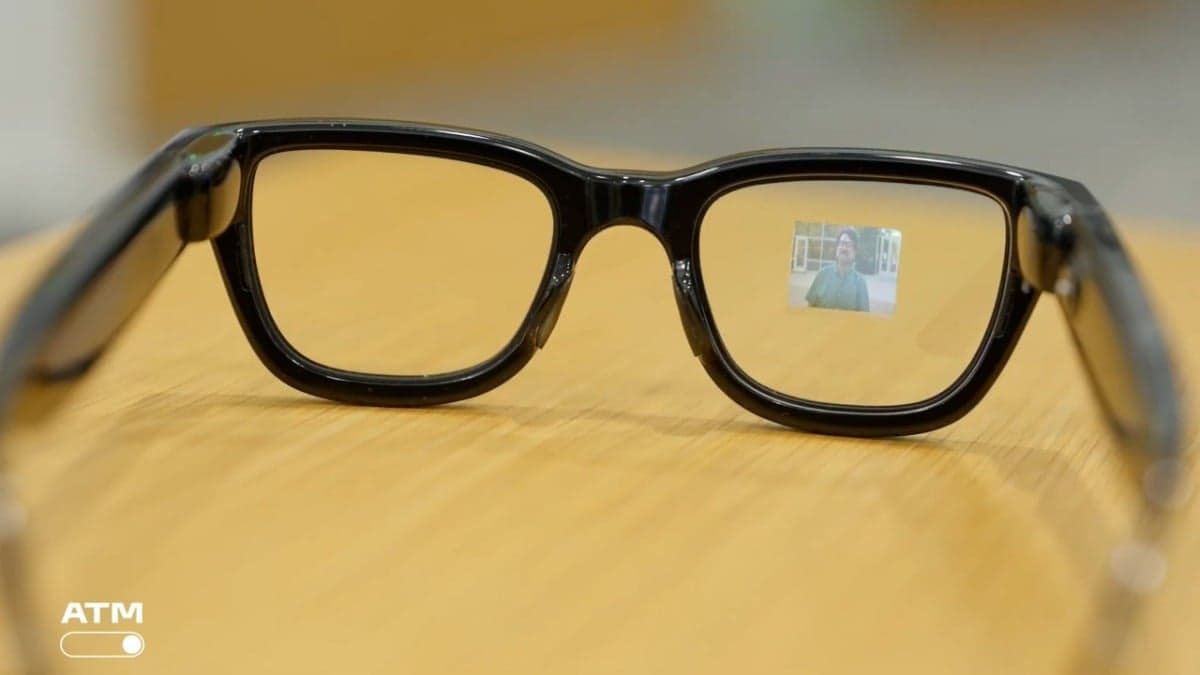
Xreal has introduced Project Aura, marking one of the first smartglasses built on Google’s new Android XR platform. While it offers an exciting glimpse into AI-powered eyewear, there’s still no word on pricing or a release date.
What Is Project Aura?
Project Aura represents Xreal’s foray into the Android XR glasses market. This platform, designed specifically for extended reality devices, is basically Android for your face instead of your phone. It was announced at Google I/O 2026, aiming to power a new wave of smart glasses and headsets that merge reality with digital information.
Reviewers at Engadget describe Xreal’s approach as “maximalist.” The company packed in numerous features, opting for a more robust design. This makes Project Aura feel more like a full AR headset, which overlays digital images onto the real world, rather than the simpler Ray-Ban Meta smart glasses that many are familiar with from coffee shops and airports.
What Can It Actually Do?
Project Aura utilizes Google’s Gemini AI assistant. This means you can ask questions, get directions, and receive contextual information about your surroundings—all visible through the lenses. Unlike simpler smart glasses, these are designed to display visual information right in your field of view, rather than just playing audio.
This distinction is important. Audio-only smart glasses, like the Ray-Ban Metas, tend to be lighter and cheaper due to simpler hardware. But glasses that project images need more processing power, better optics, and larger batteries, which usually means they’re heavier and pricier.
Xreal has been in the AR glasses space for a few years with products like the Xreal Air 2. So, they’re not starting from scratch. Project Aura aims to leverage their hardware expertise within Google’s new software ecosystem.
The Big Problem: No Price, No Date
Here’s the drawback. Despite the demos and presentations at Google I/O, neither Google nor Xreal has shared when Project Aura will be available or how much it will cost. As Mashable pointed out, Google showcased the future but left out crucial details.
This isn’t the first time we’ve seen AR glasses promised. Google Glass launched in 2013 to much fanfare but faded quietly. Microsoft’s HoloLens found its niche in businesses but didn’t make a dent in consumer markets. Meta has had more success with audio-focused glasses, but full AR display glasses remain expensive and cater to a niche audience.
The big question for Project Aura is whether Android XR provides Xreal with the software foundation needed to make AR glasses appealing to everyday users.
| By The Numbers: Project Aura & Android XR | |
|---|---|
| Platform announced | Google I/O 2026 |
| Operating system | Android XR |
| AI assistant | Google Gemini |
| Manufacturer | Xreal |
| Price | Not announced |
| Release date | Not announced |
| Display type | AR (augmented reality overlay) |
What This Means
If you’re a tech enthusiast, here’s the straightforward takeaway: Project Aura is intriguing hardware that might eventually transform how you interact with real-world information. Picture getting turn-by-turn directions in your glasses instead of checking your phone, or reading a menu with a translation overlay in your language. That’s the promise of this tech.
But the phrasing “might eventually” carries a lot of weight. Until we see a price, a release date, and real-world reviews from people who’ve worn the glasses all day, Project Aura remains more of a concept with impressive demos than a ready product. Xreal’s maximalist strategy could lead to a truly capable device, or it might result in something too heavy, too warm, or too costly for everyday wear.
The Android XR platform is the bigger story for the long haul. If Google can foster a strong developer community around it—like Android did for smartphones—multiple manufacturers can compete on hardware while sharing the same app library. That’s how smartglasses can evolve into a genuine product category rather than just pricey experiments.
What Reviewers Are Saying
Initial reactions from those who tried Project Aura at Google I/O have been cautiously hopeful. On YouTube, a commenter under Engadget’s coverage remarked: “The hardware looks promising but I’ve been burned by AR glasses hype before. Show me the battery life numbers and the real-world weight before I get excited.” (via Engadget YouTube comments)
Over on Reddit’s r/androidxr community, another user noted: “Xreal actually has a track record of shipping products, which puts them ahead of most AR companies. The question is whether Android XR is mature enough yet to be useful out of the box.” (via Reddit r/androidxr)
What To Watch
- Pricing announcement: Google and Xreal haven’t provided a timeline, but a price reveal before the end of 2026 seems likely if they aim for a holiday launch.
- Competing devices: Google I/O 2026 showcased Android XR as a platform for various manufacturers. Keep an eye out for hardware announcements from other companies using this operating system.
- Developer adoption: The success of any new platform hinges on apps. Watch for announcements from developers supporting Android XR in the coming months; this will indicate how seriously the industry views this initiative.
- Meta’s response: Ray-Ban Meta glasses are gaining real consumer traction. It’ll be interesting to see if Meta accelerates its AR display plans in response to Google’s push.
Sources: Engadget hands-on with Project Aura | Mashable on Android XR pricing questions

Ava Mitchell
Ava Mitchell is a digital culture journalist at Explosion.com covering social media platforms, streaming services, and the creator economy. With 4 years reporting on TikTok, Instagram, YouTube, and the apps that shape daily life, Ava specializes in explaining platform policy changes and their impact on everyday users. She previously managed social media strategy for a tech startup, giving her firsthand experience with the platforms she now covers.


