
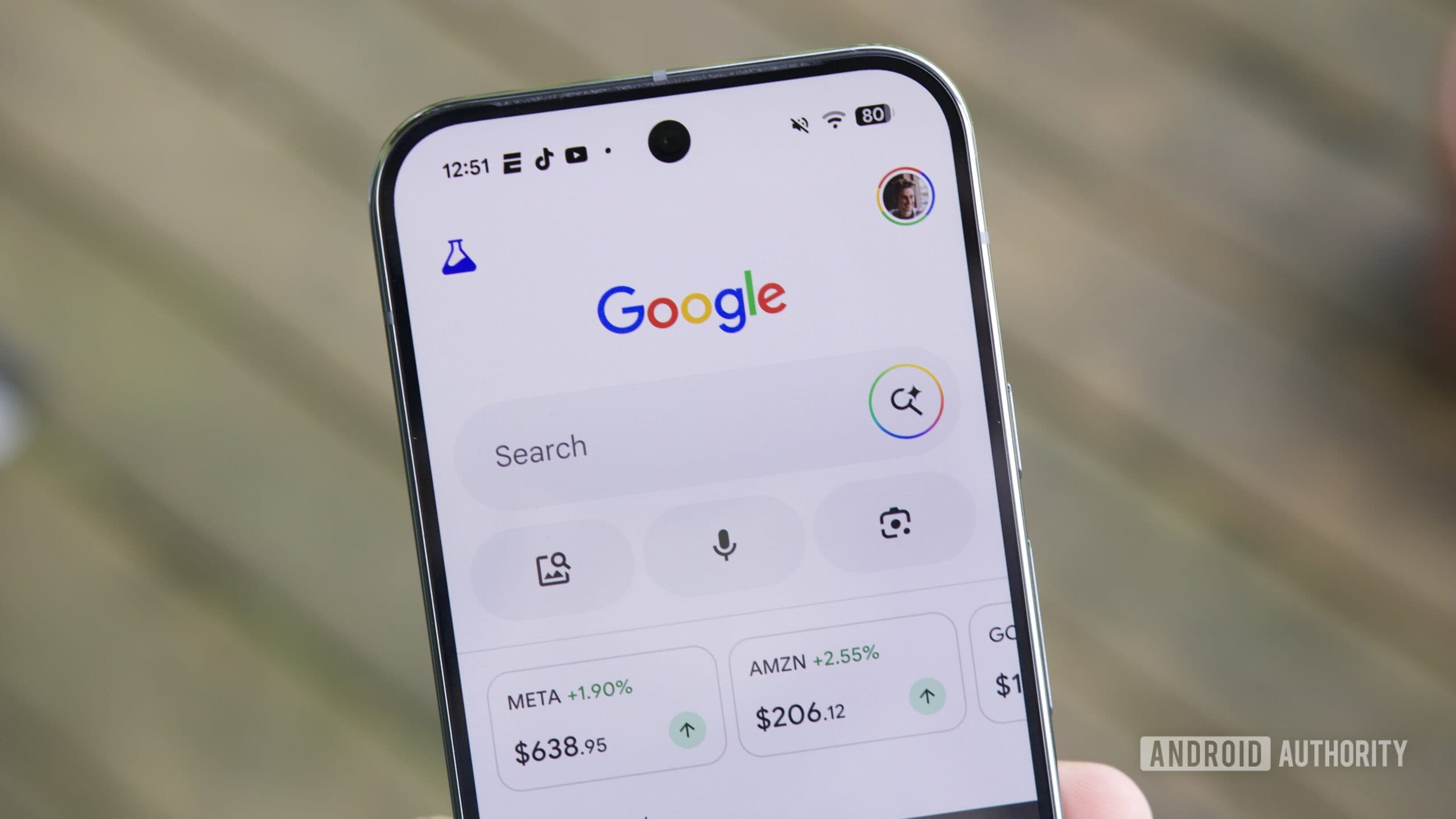
Google is reshaping its search engine with AI-driven results, and it’s introducing a new wave of ads along the way. This means the Google Search you’ve relied on for years is about to change quite a bit.
| By The Numbers: Alphabet / Google | |
|---|---|
| Ticker | GOOGL |
| Stock Price | $382.97 (-1.21%) |
| CEO | Sundar Pichai |
| Founded | 1998 |
| Headquarters | Mountain View, CA |
| Sector | Big Tech |
What’s Changing in Google Search
Google is rolling out three key changes to how Search operates, all powered by AI. According to Mashable, these changes can be grouped into three main categories: AI Overviews, AI Mode, and a more conversational search experience.
AI Overviews
You might have noticed these already. AI Overviews are those summary answer boxes that pop up at the top of search results. They’re generated by Google’s AI, not pulled from a specific website. Imagine having a research assistant who reads through dozens of articles and gives you the main point without needing to click any links. Google has been rolling these summaries out for more searches, resulting in fewer clicks to actual websites.
AI Mode
Google is also experimenting with a complete “AI Mode” that turns Search into something akin to a chatbot. Instead of just a list of blue links, you get a conversation flow where you can ask follow-up questions. This feels similar to how ChatGPT or Google’s own Gemini assistant works, but it’s integrated directly into the search bar you use every day.
Personalized and Multimodal Search
The third change focuses on making Search more personalized and “multimodal,” which means it can comprehend text, images, and voice together. For example, you could snap a photo of a broken appliance and ask Google how to fix it. You could also search using your voice, with results tailored to your previous activity.
The Ads Challenge
This part is where things get tricky. Google has announced it’s launching a new generation of ads made for the AI Search experience. Traditional search ads used to appear as clearly labeled links at the top of results. Now, new formats are designed to integrate into AI-generated answers. This means a sponsored recommendation might show up right in the summary text, not just above or below it.
As Android Authority reports, Google is testing two new ad formats in conjunction with this rollout. While the company hasn’t fully detailed both formats yet, the trend is clear: as the search experience shifts toward AI, the ad delivery system will do the same.
This creates a visibility issue for users. Previously, it was easier to tell the difference between organic results and paid ads. Ads were labeled at the top, and links followed below. Now, with ads embedded in AI-generated content, spotting them becomes trickier. It’s like the difference between a TV commercial break and a sponsored segment on a podcast where the host reads the ad naturally.
What This Means For You
If you search Google multiple times a day—and most people do—these changes will impact your experience, whether you like it or not. Here are some practical things to expect:
- Fewer reasons to click through to websites. With AI Overviews answering your questions directly, you might not even visit the original sources. While this is convenient for you, it’s reducing traffic to news sites, blogs, and small businesses that rely on Google for referrals.
- Harder to tell ads from answers. As ads become part of AI responses, you’ll have to pay closer attention to distinguish what’s sponsored from what’s truly the best information.
- A learning curve for power users. Those who’ve mastered Google’s current search tricks might find the new AI-first interface a bit disorienting at first. The way results are ranked and displayed is changing fundamentally.
- More conversational searching. On the bright side, you’ll be able to ask longer, more natural questions and get useful answers without needing to master specific keywords.
Community Reactions
“AI Overviews already give me wrong information half the time and now they want to put ads IN them? Hard pass.”
“I actually like the conversational search when it works. My problem is I can’t tell what’s a paid result anymore. At least with the old ads they were labeled.”
The Bigger Picture
Google is facing two main pressures right now. On one side, AI competitors like ChatGPT, Perplexity, and Microsoft’s Copilot-powered Bing are drawing users away from traditional search. On the other side, Alphabet’s advertising business, which still accounts for most of the company’s revenue, relies on Search being the top place people turn for products and information.
The AI overhaul is Google’s response to this competition. The new ad formats aim to ensure this transition doesn’t hurt its profits. Whether these two goals can coexist without frustrating users is the key challenge Google faces with Search right now.
This comes after a busy period for the company. Google recently added AI tools for science research and watermark detection, launched a lifelike AI companion, and introduced an “Ask YouTube” feature that highlights specific moments in videos. The pace of AI integration across Google’s products shows no signs of slowing down.
What To Watch
- Ad format details: Google has confirmed it’s testing two new ad formats but hasn’t fully described them yet. Look for more specifics in the coming weeks as the rollout continues.
- Regulatory attention: European regulators have raised concerns about Google’s search dominance before. Embedding ads deeper into AI answers might attract fresh scrutiny from the EU and the FTC.
- Publisher pushback: News organizations and content creators have voiced concerns about AI Overviews cutting into their traffic. Keep an eye out for potential legal or contractual disputes as AI-generated summaries become a bigger part of Google’s operations.
- User adoption signals: Google hasn’t released adoption numbers for AI Mode yet. When this data becomes available, it will reveal whether users are embracing the new experience or seeking ways to revert to traditional results.

Ava Mitchell
Ava Mitchell is a digital culture journalist at Explosion.com covering social media platforms, streaming services, and the creator economy. With 4 years reporting on TikTok, Instagram, YouTube, and the apps that shape daily life, Ava specializes in explaining platform policy changes and their impact on everyday users. She previously managed social media strategy for a tech startup, giving her firsthand experience with the platforms she now covers.


