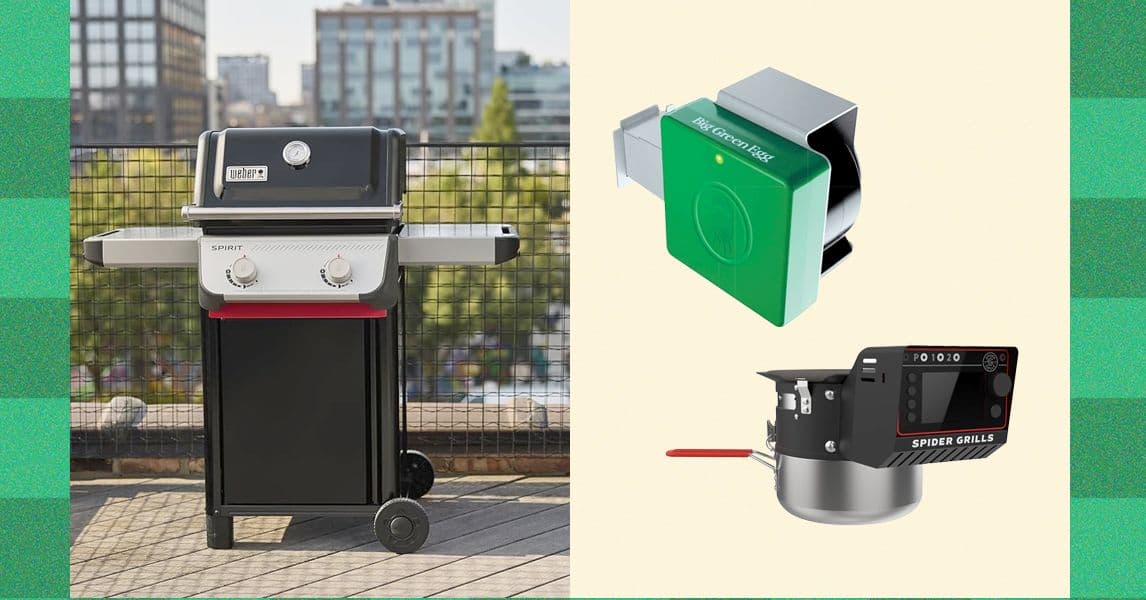
Smart temperature controls, app connectivity, and pellet-fed automation have officially taken over the grill market in 2026. Wired’s hands-on testing of this year’s top models reveals which ones are worth your investment.
Grilling Has Gone High-Tech
If you haven’t shopped for a grill in a while, you might be amazed by what’s available now. The best models aren’t just metal boxes with burners anymore. Many of them connect to your phone via Bluetooth or Wi-Fi, allowing you to monitor cooking temperatures from the comfort of your home. Some use pellet systems, where the grill automatically feeds compressed wood pellets—small cylinders of sawdust that burn slowly for consistent heat and smoky flavor—into a fire chamber, maintaining your desired temperature without you having to hover over it.
Think of a smart pellet grill as a slow cooker that you can leave alone. It smokes your brisket to perfection and sends you an alert when dinner is ready.
Wired’s Matthew Korfhage thoroughly tested the field, grilling, smoking, searing, cleaning, and evaluating digital temperature controllers across a wide range of 2026’s top picks to find the best option for every type of cook.
The Main Categories to Know
Pellet Grills
These grills are the hands-off option. You load wood pellets into a hopper, set your target temperature on a digital panel or app, and the grill takes care of the rest. They excel at low-and-slow smoking, like an eight-hour pork shoulder. Many models from 2026 can also reach high enough temperatures for a proper steak sear. Just keep in mind they require electricity to run the auger—the rotating screw that feeds pellets into the fire—and the fan system.
Smart Gas Grills
Smart gas grills with digital temperature monitoring and app connectivity blend traditional backyard grilling with modern convenience. You still enjoy instant-on heat and familiar propane or natural gas operation. Now, you can track grill-surface temperatures and set alerts right from your phone.
Portable Grills
For tailgaters, campers, and those grilling on apartment balconies, compact grills have improved dramatically. The 2026 offerings include models that fold flat, use small propane canisters, and still provide enough heat for a solid burger or chicken thigh.
What Wired’s Testing Found
The hands-on testing process included the entire cooking workflow, not just how the food tastes off the grill. Korfhage also looked at how easy grills are to clean—a significant time investment most buyers underestimate—how reliable the digital temperature controllers are, and how well the companion apps actually perform in real life. App connectivity may sound great, but a buggy app that loses Bluetooth connection mid-cook is worse than having no app at all.
Temperature consistency stood out across the tested models. Budget pellet grills often swing 25 to 30 degrees above or below your set point, which matters more for smoking than for grilling. In contrast, top-tier models held within 5 to 10 degrees, much closer to what competition-level pitmasters need.
| 2026 Grill Market: By The Numbers | |
|---|---|
| Categories tested | Smart, pellet, portable, gas, charcoal, hybrid |
| Temperature hold variance (budget pellet) | ±25–30°F |
| Temperature hold variance (premium pellet) | ±5–10°F |
| Key connectivity features | Bluetooth, Wi-Fi, app-based alerts |
| Source | Wired hands-on testing, 2026 |
What This Means for Everyday Users
If you’re purchasing a grill this season, the smart features are genuinely useful rather than mere marketing hype. Just make sure to pick the right category based on your cooking style.
For weekend grillers who want burgers and chicken prepared quickly, a smart gas grill with a reliable temperature probe offers confidence without a steep learning curve. If you’re looking to smoke ribs or brisket, a mid-range pellet grill can now produce results that once required a dedicated smoker and years of practice. And if you’re grilling at a campsite or in a stadium parking lot, the 2026 portable options are not only convenient but genuinely capable.
One consistent piece of advice from testing: don’t choose a grill based solely on app features. A grill that cooks well and cleans easily will see regular use. A grill with a fancy app but uneven heat will likely end up gathering dust in the garage.
Community Reactions
“Pellet grills have completely changed the game for me. Set it at 225°F and come back six hours later for perfect ribs. My old offset smoker is just a planter now.”
“I tested like four different app-connected grills last summer, and honestly, the app is the weakest part of every single one. Just buy the grill that cooks best and use a standalone meat thermometer.”
Sources and Further Reading
What To Watch
- Summer 2026 sales cycles: Memorial Day and July 4th are historically when grill manufacturers drop prices by 15 to 25 percent. If you’re not in a rush, waiting for these times could save you a good amount on premium pellet models.
- App ecosystem consolidation: Several grill manufacturers are moving toward unified smart-home integration with platforms like Google Home and Apple HomeKit. If that kind of whole-home connectivity matters to you, it’s worth waiting to see which brands finalize those integrations before you make a purchase.
- Portable grill innovation: The tailgate and camping segment is seeing more competition, with newer entrants promising faster heat-up times and better fuel efficiency. Expect more hands-on reviews from outdoor-focused publications through late summer.

Ava Mitchell
Ava Mitchell is a digital culture journalist at Explosion.com covering social media platforms, streaming services, and the creator economy. With 4 years reporting on TikTok, Instagram, YouTube, and the apps that shape daily life, Ava specializes in explaining platform policy changes and their impact on everyday users. She previously managed social media strategy for a tech startup, giving her firsthand experience with the platforms she now covers.