
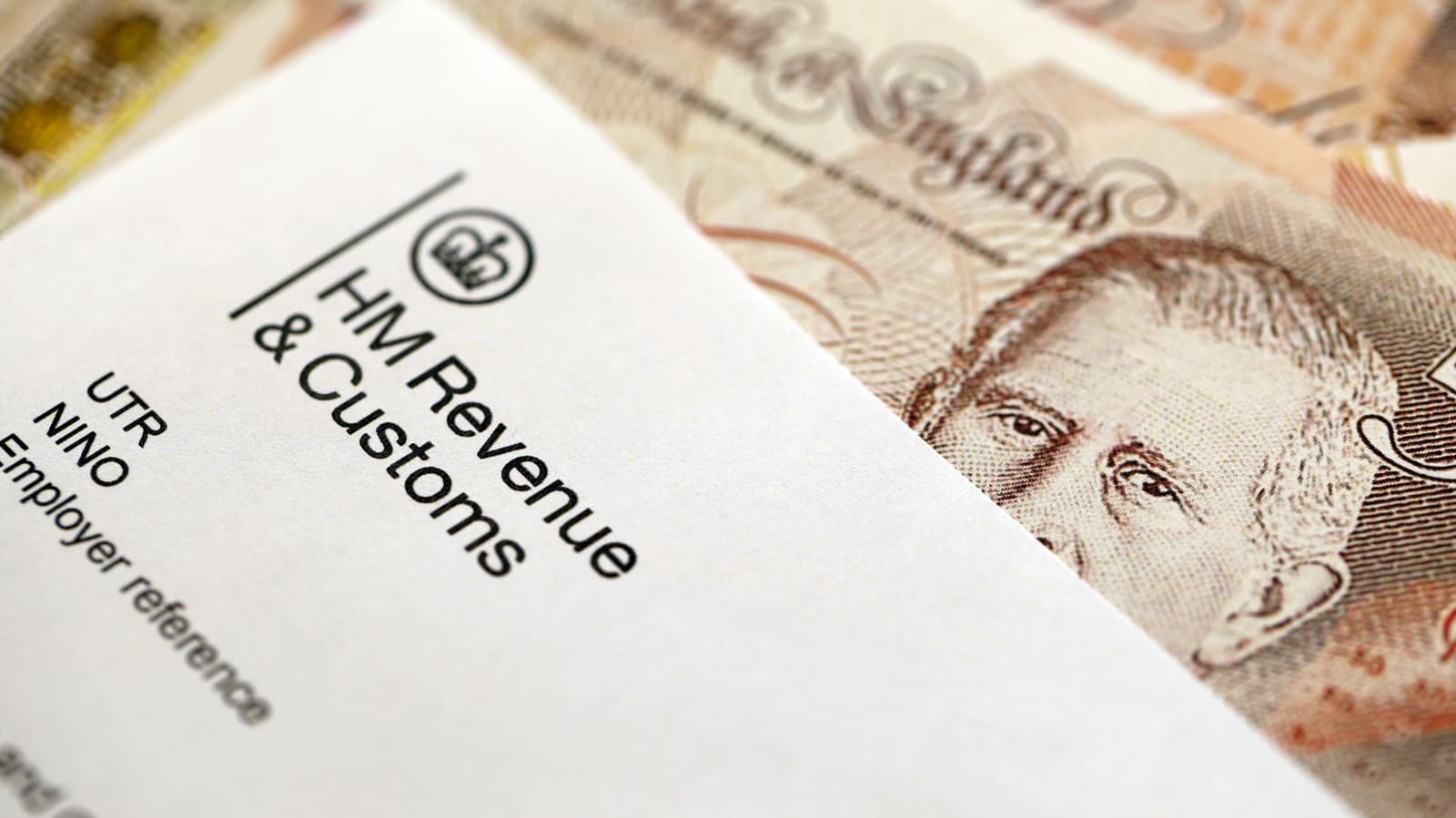
Britain’s tax collection agency, HMRC (His Majesty’s Revenue and Customs), is introducing artificial intelligence tools to help identify fraud and tax evasion. Human staff will still make the final decisions on any flagged cases.
What HMRC Is Actually Doing
HMRC is leveraging AI to analyze large amounts of financial data and highlight suspicious patterns that could suggest fraud or unpaid taxes. Imagine it as an advanced spam filter for your email, but instead of junk mail, it’s searching for questionable financial activities across millions of taxpayer accounts.
The key safeguard here is that the AI doesn’t make decisions on its own. Human staff members review everything flagged by the system before any action is taken. This human-in-the-loop approach is becoming common for government AI deployments where the risk of a wrong decision is significant.
Why Tax Agencies Are Turning to AI Now
Manual detection is nearly impossible given the scale of the problem. Tax fraud and evasion cost governments vast amounts every year. The sheer volume of transactions makes it unfeasible for human investigators to catch more than a small fraction of potential cases without some automated help.
AI systems can analyze patterns across millions of records at once, identifying anomalies that a human reviewer might take months to uncover or might overlook entirely. For instance, if hundreds of businesses in the same sector suddenly report strikingly similar deductions, AI can detect that pattern in seconds.
How It Works in Plain English
Modern fraud detection AI operates similarly to the fraud alerts from credit card companies. When you make an unusual purchase far from home, your bank’s system flags it because it doesn’t align with your typical behavior. HMRC’s AI functions on a larger scale, comparing tax filings, business records, and financial behaviors against known fraud patterns and statistical norms.
If something appears off, the system generates an alert. A human investigator then reviews that alert to decide whether to investigate further. The AI accelerates the discovery process, while humans provide the necessary judgment.
| By The Numbers: UK Tax Gap | |
|---|---|
| UK tax gap (estimated unpaid taxes) | £36 billion per year |
| Percentage of total expected tax revenue | ~4.8% |
| HMRC staff responsible for compliance work | Tens of thousands |
| AI role in final decisions | Zero — humans review all flags |
What This Means for Everyday Taxpayers
If you file your taxes honestly, this change likely won’t impact your day-to-day life. The system aims to catch fraud and evasion, not to target ordinary filers over minor mistakes.
However, there are valid concerns to consider. AI systems can produce false positives, flagging innocent individuals for actions that might appear unusual. The requirement for human review before taking action is meant to catch those errors, but the quality of that human oversight is crucial. If investigators feel pressured to process alerts quickly, some flagged cases might not receive the careful attention they need.
There’s also a fairness issue. If the AI is trained on historical fraud data, it may reflect past enforcement patterns that haven’t always been fairly applied across various industries or types of taxpayers. Civil liberties groups have raised similar worries about AI-assisted enforcement tools in other nations.
Community Reaction
“As long as a real person has to sign off before anything happens to your account, I’m cautiously okay with this. The problem is when agencies start trusting the AI too much and rubber-stamping its outputs.”
“This is just HMRC trying to do more with less. They’ve been underfunded for years. AI isn’t a magic fix, but it probably helps them prioritize where to look.”
The Bigger Picture
HMRC isn’t alone in this endeavor. Tax agencies in the United States, Australia, and throughout the European Union have been testing AI-assisted compliance tools for several years. The technology is evolving rapidly, and governments view it as one of the most practical applications of AI—where the potential benefit of recovering billions in lost revenue is clear and measurable.
The question isn’t whether tax agencies will use AI; that’s already happening. The more pressing questions revolve around transparency: Will taxpayers be informed when AI flags their account? Will there be a clear appeals process? How often does the AI make mistakes?
Sources: Engadget — UK tax authority turns to AI for fraud detection
What To Watch
- Transparency reports: Keep an eye out for HMRC to release data on how many cases the AI flags, how many lead to investigations, and how many were ultimately incorrect. That information will reveal a lot about how well the system works.
- Parliamentary scrutiny: UK lawmakers are increasingly interested in how government agencies use AI. Expect questions in Parliament about oversight, appeals processes, and the rates of false positives.
- Civil liberties response: Organizations like Privacy International and Big Brother Watch have previously scrutinized government AI deployments. Their reaction to HMRC’s rollout could influence public discussion and potential regulatory measures.
- Expansion signals: If HMRC reports success with fraud detection, other UK government departments may consider adopting similar tools for benefits fraud or other compliance areas.

Ava Mitchell
Ava Mitchell is a digital culture journalist at Explosion.com covering social media platforms, streaming services, and the creator economy. With 4 years reporting on TikTok, Instagram, YouTube, and the apps that shape daily life, Ava specializes in explaining platform policy changes and their impact on everyday users. She previously managed social media strategy for a tech startup, giving her firsthand experience with the platforms she now covers.