A recent Gallup survey shows that over 70 percent of Americans don’t want AI data centers near their homes. The opposition is so strong that most folks would prefer living next to a nuclear power plant instead of one of these facilities.
What The Survey Found
This Gallup poll highlights how unpopular data center construction has become in communities nationwide. Only 7 percent of participants said they were “strongly” in favor of building a new data center in their area. That’s a staggering ratio: about 10 Americans oppose these facilities for every supporter.
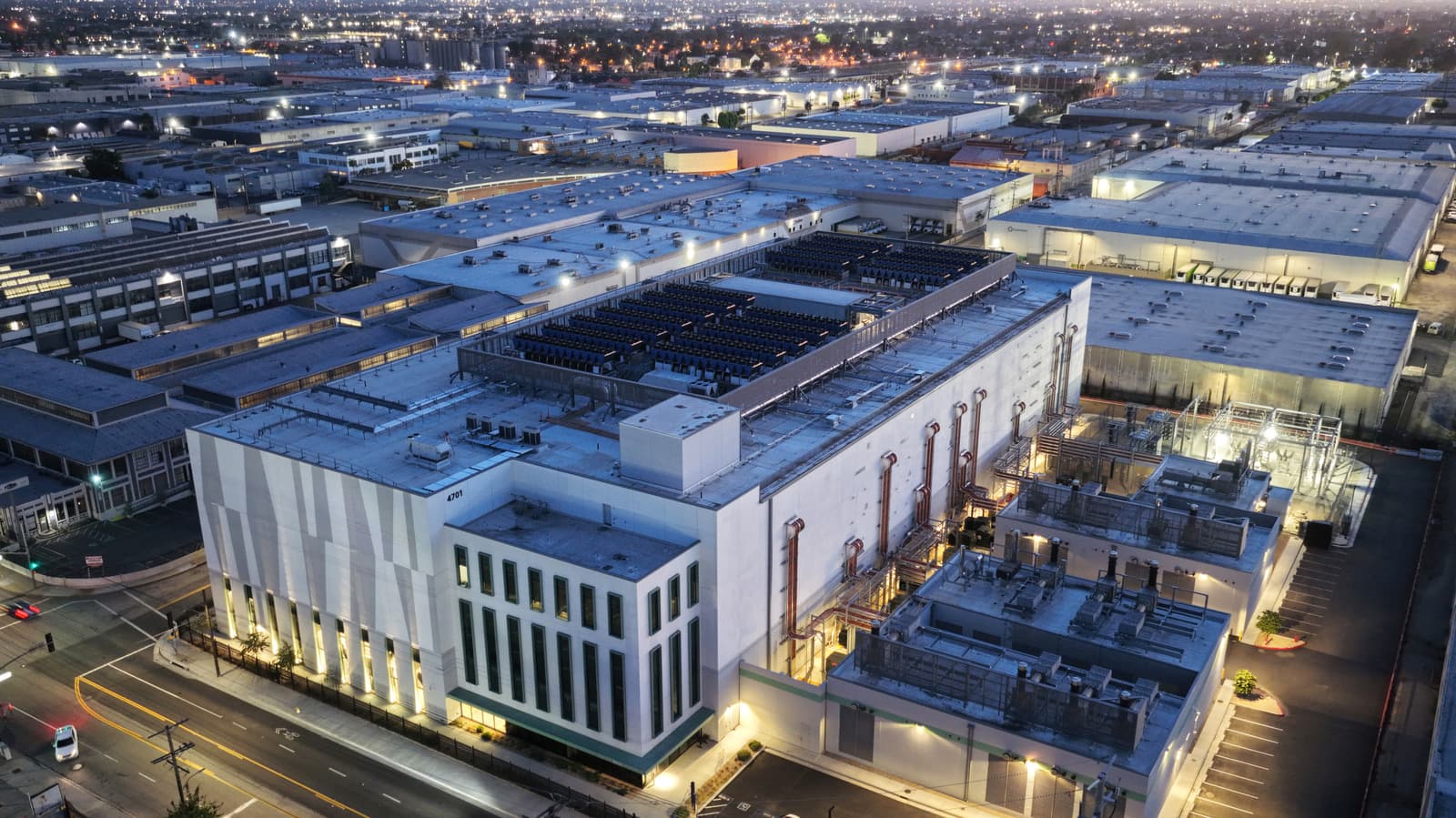
The comparison to nuclear power plants is striking. Nuclear energy has faced a long-standing stigma in the U.S. due to safety concerns and infamous accidents like Chernobyl and Three Mile Island. Yet, data centers — those vast warehouse-like buildings filled with servers that support everything from ChatGPT to Google Search — have somehow become less welcome than nuclear reactors.
Why People Object
People’s concerns are very real. Data centers use huge amounts of electricity and water. A single large facility can consume millions of gallons of water each day for cooling, much like a car radiator but on a much larger scale. They also create constant noise from industrial cooling systems and can overload local power grids, leading to higher electricity costs for nearby residents.
Then there’s the issue of land. Oregon resident Isabelle Reksopuro was uncertain when she heard Google was acquiring public land in her state for data centers. “There’s a lot of misinformation about data centers,” she told The Verge. “Google has denied taking that land.” This situation highlights a broader issue: residents often lack clear information about what’s being developed nearby and who’s behind it.
The Verge has created an interactive map that allows Americans to check for data centers in their vicinity. This tool has helped residents get a better grasp of what’s already in their area and what might be on the way.
The AI Connection
This surge of opposition isn’t coincidental. The rapid growth of AI tools over the past couple of years has led to a massive expansion of data center infrastructure. Every time someone uses ChatGPT, creates an image with DALL-E, or asks Google’s Gemini a question, that request gets processed at one of these facilities. More AI usage drives the need for additional data centers, and tech companies are racing to build them quickly.
Microsoft, Google, Amazon, and Meta each plan to invest billions in data centers for 2025 and 2026. But this construction often faces organized local pushback.
| By The Numbers: AI Data Center Opposition | |
|---|---|
| Americans opposed to nearby data centers | 70%+ |
| Americans “strongly” in favor | 7% |
| Survey source | Gallup |
| Water use per large data center (daily) | Millions of gallons |
| Preferred neighbor over data center | Nuclear power plant |
What This Means
This tension creates a real conflict for everyday users. The AI tools millions of Americans rely on daily — from voice assistants to image generators to AI-powered search — need physical infrastructure to operate. That infrastructure has to be located somewhere.
If local opposition successfully halts or delays data center construction, tech companies might face capacity issues that could slow down the availability of AI services. Alternatively, they may push these constructions into rural or economically disadvantaged areas, where resistance is less organized. This raises concerns about environmental justice.
If you live near proposed data center sites, this survey suggests you’re not alone in your worries. Local governments increasingly have to balance the economic benefits of tech investments, like jobs and tax revenue, against the real costs for residents, such as noise, water usage, and power grid stress.
Community Reactions
“They built one two miles from my house and our water bills went up noticeably the next year. Nobody asked us anything.”
— Reddit user u/PNW_resident_2019, r/Oregon
“The jobs argument would be more convincing if these things actually employed many local people. Most of the work is remote engineering teams, not local hires.”
— YouTube comment on The Verge’s data center map video
What To Watch
- Local zoning battles: Keep an eye on city council and county commission votes in tech-heavy states like Virginia, Oregon, Texas, and Arizona, where data center proposals are heating up.
- Federal legislation: Some lawmakers are discussing national disclosure requirements to make companies more transparent about their construction sites and resource consumption.
- The Verge’s interactive map: This ongoing data center mapping project is likely to stir more organized local opposition as residents learn about existing facilities in their neighborhoods.
- Tech company responses: Google, Microsoft, and Amazon may feel mounting pressure to provide clearer data on water and energy usage per facility as public scrutiny grows.
Sources: The Verge — Gallup survey results | The Verge — Interactive data center map | Engadget — Original report

Maya Torres
Maya Torres is the Consumer Tech Editor at Explosion.com with 7 years covering product launches for major technology publications. She has reviewed over 300 devices across smartphones, laptops, wearables, and smart home products. Maya specializes in translating spec sheets into real-world buying advice and attends CES, MWC, and Apple keynotes as press. Her reviews focus on helping readers decide what to buy, not just what specs look good on paper.