Anthropic has changed its stance on third-party AI agent access for Claude subscribers. They’ve reinstated support for tools like OpenClaw, but users will now rely on a separate credit pool instead of their regular subscription allowance.
What Happened
A few days ago, Anthropic quietly removed support for Agent SDK usage and claude -p, which allows developers to run Claude through external software pipelines, from standard Claude subscriptions. This sudden change meant that popular tools like OpenClaw — an open-source, autonomous AI agent harness that enables Claude to perform multi-step tasks — stopped functioning for paying subscribers without warning.
The response was immediate and strong. OpenClaw has a loyal following among developers and power users who depend on it for automating complex workflows. Losing access unexpectedly felt like a huge setback.
Now, Anthropic has reversed that decision, but the fix comes with a notable change in how usage is tracked and billed.
The Catch: A Separate Credit Pool
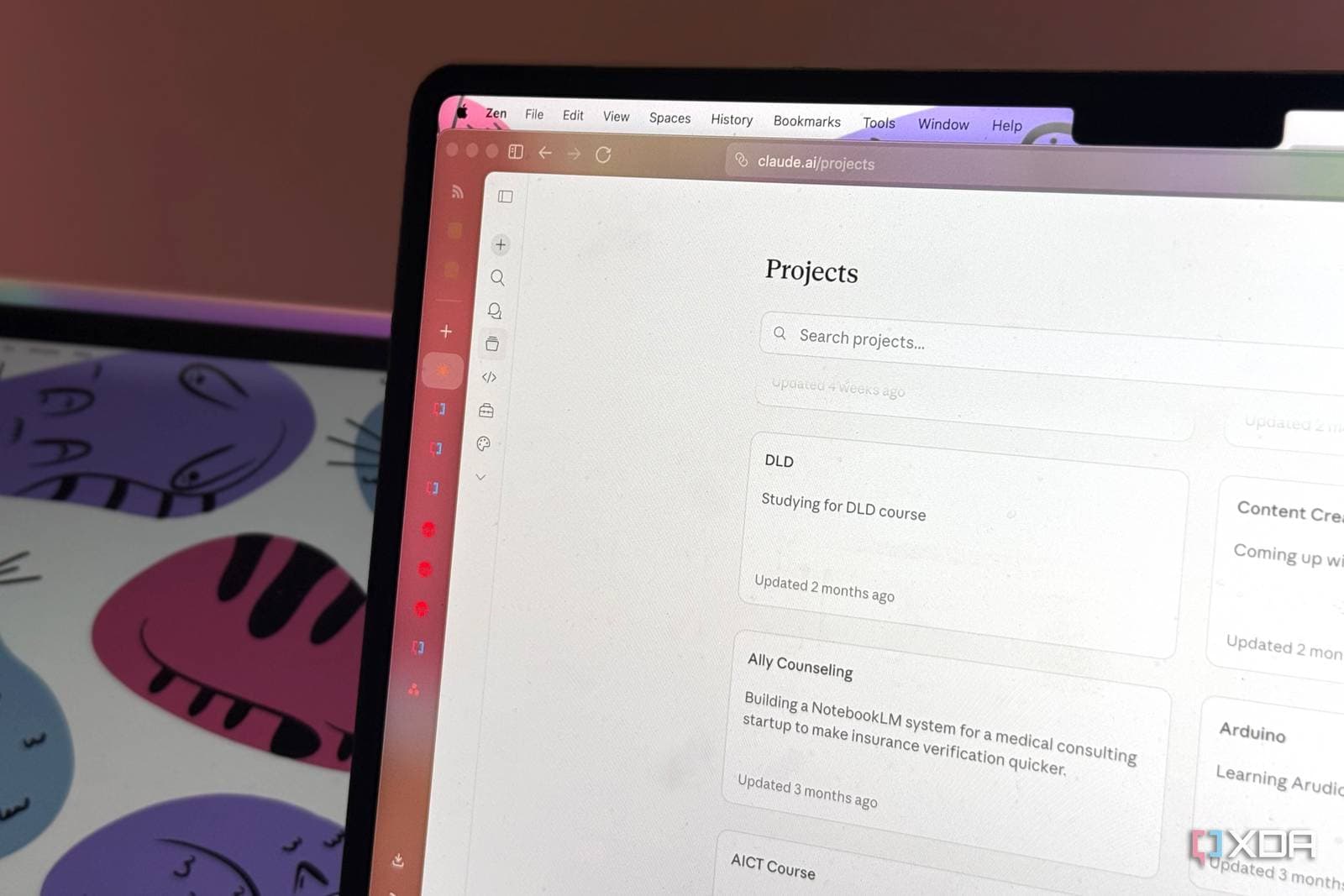
Before this change, using Claude with third-party agents like OpenClaw counted against the same usage allowance as chatting directly on Claude.ai. Now, according to reports from both VentureBeat and XDA Developers, agent-based usage will be deducted from a different credit pool.
Think of it like a streaming service that allows you to watch movies on your TV and phone but now tracks phone viewing separately. You still have access, but your quotas don’t combine anymore.
This means that heavy users who switch between Claude.ai and third-party agents might reach limits sooner or have to juggle two different usage budgets. Anthropic hasn’t shared specific details about the size of this separate credit pool or whether it varies based on subscription tier.
What Is OpenClaw, and Why Does This Matter?
OpenClaw is an open-source framework that allows Claude to act autonomously. Instead of just answering a single question like “how do I organize my files,” you could direct OpenClaw at a folder and have it actually do the organizing for you.
This type of autonomous AI usage is on the rise. Developers use tools like OpenClaw to create everything from automated research pipelines to coding assistants that can write, test, and debug code sequentially. For these users, Claude subscriptions are crucial since direct API access (the technical interface developers use to connect software to Claude) can become costly very quickly.
Anthropic also supports the Model Context Protocol, or MCP, an open standard that allows AI models to communicate with external tools and data sources. This is what OpenClaw and similar tools use to connect Claude to real-world applications.
| Anthropic — Company Snapshot | |
|---|---|
| Founded | 2021 |
| Headquarters | San Francisco, CA |
| CEO | Dario Amodei |
| Sector | AI / Large Language Models |
| Flagship Product | Claude AI |
| Key Competitors | OpenAI (ChatGPT), Google (Gemini) |
Community Reaction
The initial removal sparked frustration among developer communities. The reinstatement has only partially eased concerns.
“Anthropic keeps making changes with zero communication. At least they walked it back, but now I have no idea how much of my subscription actually goes to OpenClaw usage.”
— Reddit user via r/ClaudeAI (paraphrased from community discussion)
“The separate credit pool thing is concerning. That’s the kind of change that starts small and ends with agent usage being paywalled into a higher tier.”
— YouTube comment on an OpenClaw tutorial video
Overall, the developer community feels mixed: relieved to have access back but cautious about what the credit pool split might mean for future pricing of agentic use cases.
What This Means for Everyday Users
If you use Claude only through Claude.ai — the standard chat interface — nothing changes for you. This affects those who connect Claude to external tools and automated workflows.
However, the broader implications are worth noting. AI companies are figuring out how to price “agentic” usage, where an AI handles long, complex tasks autonomously instead of just answering questions. This type of usage costs more in terms of resources, which is likely why Anthropic wants to track it separately.
The risk for subscribers is clear: as agentic AI becomes more mainstream, the distinction between “basic” subscription access and “power” usage could narrow — and likely become more expensive.
Sources
- VentureBeat: Anthropic reinstates OpenClaw and third-party agent usage on Claude subscriptions — with a catch
- XDA Developers: Anthropic’s Claude subscriptions no longer include Agent SDK and claude -p usage
What To Watch
- Credit pool details: Anthropic hasn’t revealed specifics on the size of the separate agent credit pool for each subscription tier. An official update or pricing page is anticipated.
- Subscription tier changes: Keep an eye on whether Anthropic modifies its Pro or Team plans to clearly separate agentic usage. This change could signal a price increase for power users.
- Competitor moves: OpenAI and Google are both enhancing agentic capabilities in their products. How they manage subscription access for agent usage may pressure Anthropic to be more generous or provide a reason to increase prices.
- OpenClaw’s response: The OpenClaw development team might update their documentation or tools to help users track which credit pool they’re utilizing.

Ava Mitchell
Ava Mitchell is a digital culture journalist at Explosion.com covering social media platforms, streaming services, and the creator economy. With 4 years reporting on TikTok, Instagram, YouTube, and the apps that shape daily life, Ava specializes in explaining platform policy changes and their impact on everyday users. She previously managed social media strategy for a tech startup, giving her firsthand experience with the platforms she now covers.