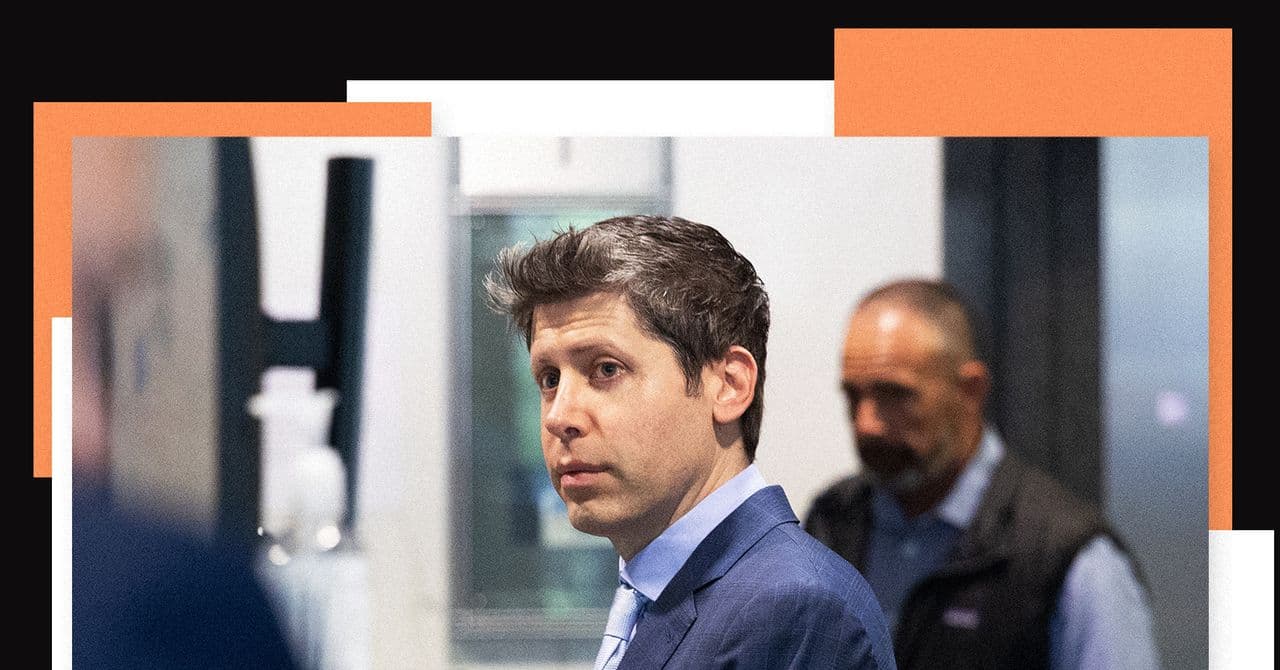
Sam Altman testified in court this week, revealing that Elon Musk once suggested giving OpenAI to his children. Altman described this proposal as “particularly hair-raising” during the ongoing Musk v. Altman trial in San Francisco.
What Happened in Court
Altman took the stand in the lawsuit Musk filed against him and OpenAI, the AI research company they co-founded in 2015. Musk’s team questioned Altman about claims of deception and his financial interests. However, Altman used his testimony to highlight a different narrative: a co-founder who seemed increasingly fixated on controlling the organization.
Altman mentioned that the idea of handing OpenAI to Musk’s children was just one of several control-related suggestions that arose in their early discussions. OpenAI was established as a nonprofit, which is meant to operate for public benefit rather than private gain. This makes Musk’s proposal particularly striking from a legal perspective.
Musk left OpenAI’s board in 2018. He’s since started his AI company, xAI, and has sued OpenAI and Altman, claiming they strayed from the nonprofit mission that initially garnered his support and funding.
The Bigger Fight
The trial focuses on whether OpenAI has strayed from its founding principles by shifting towards a more commercial model. OpenAI has been restructuring to attract outside investment, including a significant partnership with Microsoft. Musk argues that this change violates the initial agreement made at the company’s launch.
Altman’s testimony flipped that narrative. Instead of defending against greed allegations, he painted Musk as wanting personal, hereditary control over what was meant to be a public-benefit organization. It’s like donating land for a public park, then later asking if you can pass it down to your grandchildren.
During cross-examination, Musk’s lawyers pressed Altman on his own financial ties and business relationships. They suggested that Altman’s decisions haven’t always been as altruistic as he claims.
| OpenAI: By The Numbers | |
|---|---|
| Founded | 2015 |
| CEO | Sam Altman |
| Headquarters | San Francisco, CA |
| Original Structure | Nonprofit |
| Current Structure | Transitioning to for-profit |
| Key Investor | Microsoft |
| Musk’s Tenure on Board | 2015–2018 |
What This Means
If you use ChatGPT, Microsoft Copilot, or any product built on OpenAI’s technology, this trial is important. The outcome could affect how OpenAI is governed, who controls it, and whether it can keep raising the billions needed to develop and maintain its AI tools for millions of users.
A ruling in Musk’s favor might force OpenAI to rethink or reverse its for-profit transition, which could limit future investment and slow down product development. If Altman prevails, OpenAI would likely be free to complete its restructuring and continue operating as it has been.
There’s also a larger industry implication here. How courts interpret the founding documents of AI companies could set a precedent for holding other AI organizations accountable to their stated missions, especially as many start nonprofit and later seek venture capital.
Community Reactions
“Leaving OpenAI to his kids is the most Elon thing I’ve ever heard. The man could not conceive of something not being his.”
“Both of these guys have done questionable things. I’m not sure why we’re supposed to pick a hero here.”
What To Watch
- Trial continues: The Musk v. Altman case is ongoing. More witnesses and testimony are expected soon, with a verdict potentially arriving before the end of summer 2026.
- OpenAI’s restructuring: OpenAI is still navigating its shift from nonprofit to a public benefit corporation, which combines profit motives with social missions. The trial outcome could accelerate, delay, or complicate this process.
- xAI vs. OpenAI: Musk’s AI company, xAI, continues to compete directly with OpenAI. Keep an eye on how the trial impacts either company’s ability to attract investment or talent.
Sources: Wired | TechCrunch

Maya Torres
Maya Torres is the Consumer Tech Editor at Explosion.com with 7 years covering product launches for major technology publications. She has reviewed over 300 devices across smartphones, laptops, wearables, and smart home products. Maya specializes in translating spec sheets into real-world buying advice and attends CES, MWC, and Apple keynotes as press. Her reviews focus on helping readers decide what to buy, not just what specs look good on paper.