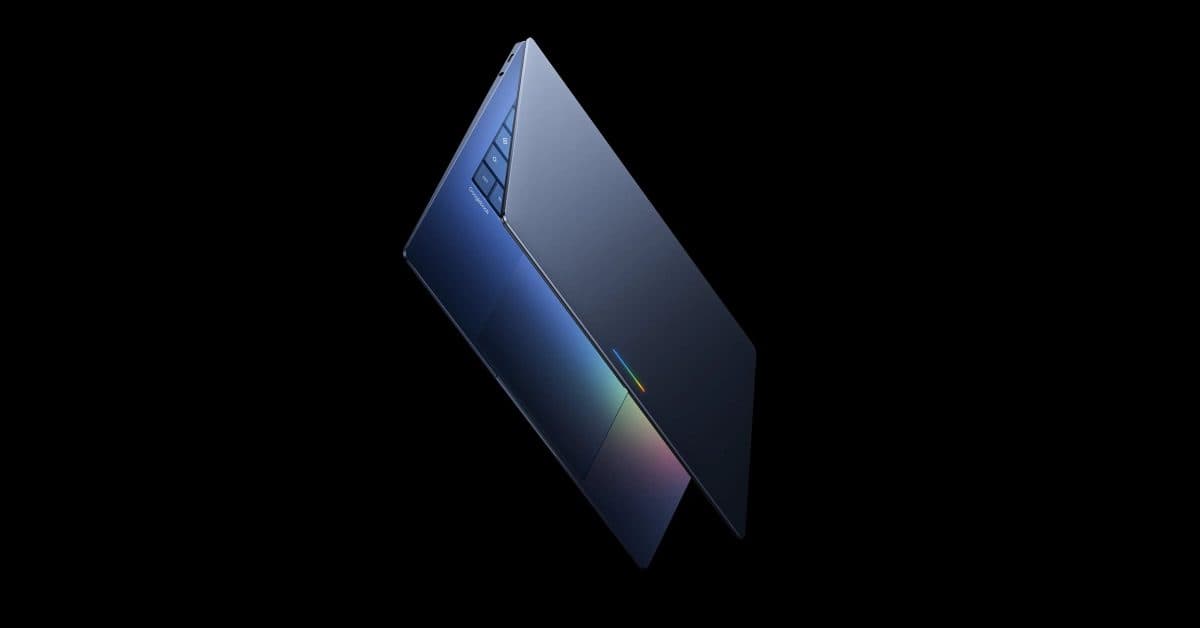
Google’s new laptop platform, known internally as “Googlebook,” has surfaced, giving us a glimpse of the Android-based desktop operating system that powers it. This OS features virtual desktops, a built-in terminal, and a desktop-style interface that looks very different from the Android you’re used to on your phone.
What Is a Googlebook, Exactly?
Picture a Googlebook as Google’s take on the modern laptop. It runs a version of Android designed from scratch to work seamlessly with a keyboard and trackpad. This differs from a Chromebook, which operates on ChromeOS — Google’s current laptop OS based on the Chrome browser. The Googlebook will use a desktop-adapted version of Android, allowing access to the vast Android app library while providing the kind of multitasking, windowed interface that users expect from a laptop.
Leaked footage and screenshots, first reported by 9to5Google, show the interface in an early but functional form. It’s still in development, described as having “basic features,” but enough is visible to understand Google’s direction.
What the Leak Actually Shows
Virtual Desktops
Virtual desktops, which you can think of as separate “rooms” on your computer for different sets of open apps, seem to be a key feature of the Googlebook experience. While this is standard on Windows and macOS, it’s never really been part of Android. Including it here shows that Google aims for this to feel like a serious productivity tool, not just a larger version of a phone.
A Built-In Terminal
The leaked footage also reveals a terminal — a text-based window where you can type commands directly into the operating system, something developers often use. This is significant. ChromeOS added Linux terminal support years ago, and it quickly became a favorite feature among developers and power users. By incorporating it into Googlebook from the start, Google clearly wants to attract that same audience.
Desktop-Style Windowed Apps
Apps will appear in resizable windows instead of the full-screen or split-screen layouts Android typically uses on tablets. This represents a major shift, making Android apps behave like desktop applications on laptops. This has been the missing link for anyone trying to use Android as a PC replacement.
Why Google Is Doing This
Google has tried to establish a foothold in the laptop market before. While ChromeOS has its loyal users, it hasn’t gained traction with mainstream consumers like Windows and macOS. By basing this new attempt on Android rather than Chrome, Google gains access to millions of existing apps that already work. The challenge has always been adapting those phone apps for a laptop screen, which is what this desktop OS layer aims to address.
The timing coincides with Google I/O, where CNET reported that Googlebook laptops were showcased alongside Gemini AI integrations — Google’s push to integrate its AI assistant into the hardware experience.
| By The Numbers: Alphabet/Google | |
|---|---|
| Ticker | GOOGL |
| Stock Price | $401.07 (-0.38%) |
| CEO | Sundar Pichai |
| Headquarters | Mountain View, CA |
| Founded | 1998 |
| Sector | Big Tech |
What This Means for Everyday Users
If you’ve wished that your Android phone’s apps could function on a proper laptop screen, this is Google’s attempt to make that a reality. In practical terms, this could mean a laptop that runs your favorite Android apps natively — whether it’s for banking, streaming, or gaming — without the workarounds that current options require.
For those already immersed in the Google ecosystem (Gmail, Google Drive, Google Photos, YouTube), a Googlebook could feel like the most seamless laptop choice available. Your apps, accounts, and files will all be the same ones you have on your phone, just on a larger screen with a keyboard.
However, the leak reveals an OS that’s still in the early stages. Features are functional but rough around the edges, and there’s no confirmed release date yet. Early leaks like this usually suggest that a product might be 12 to 18 months away from hitting store shelves in a polished form.
Community Reactions
“Finally. This is what I wanted when I bought a Chromebook five years ago and then gave up. If they can actually make Android apps work in windows properly, this is game over for basic laptops.”
“The terminal being there from the start is huge. ChromeOS took years to get that. They’re learning.”
What To Watch
- Google I/O follow-up announcements: Google has previewed Googlebook hardware at I/O. We can expect more detailed software demos in the coming weeks as they refine their messaging.
- ChromeOS overlap questions: Google hasn’t made it clear whether Googlebook laptops will eventually replace Chromebooks or coexist with them. This discussion will likely intensify as more details come to light.
- Developer response: Whether app developers update their Android apps to support desktop-style windows will be crucial. Keep an eye out for Google’s announcements on developer guidelines or incentives.
- Hardware reveal: Leaked images suggest physical Googlebook hardware exists in some form. An official announcement could come at a hardware event later in 2026.

Daniel Park
Daniel Park covers AI, cloud infrastructure, and enterprise software for Explosion.com. A former software engineer who transitioned to technology journalism 5 years ago, Daniel brings technical depth to his reporting on artificial intelligence, startup funding rounds, and the companies building the future of computing. He breaks down complex AI developments and business strategies into clear, actionable insights for readers who want to understand how technology is reshaping industries.