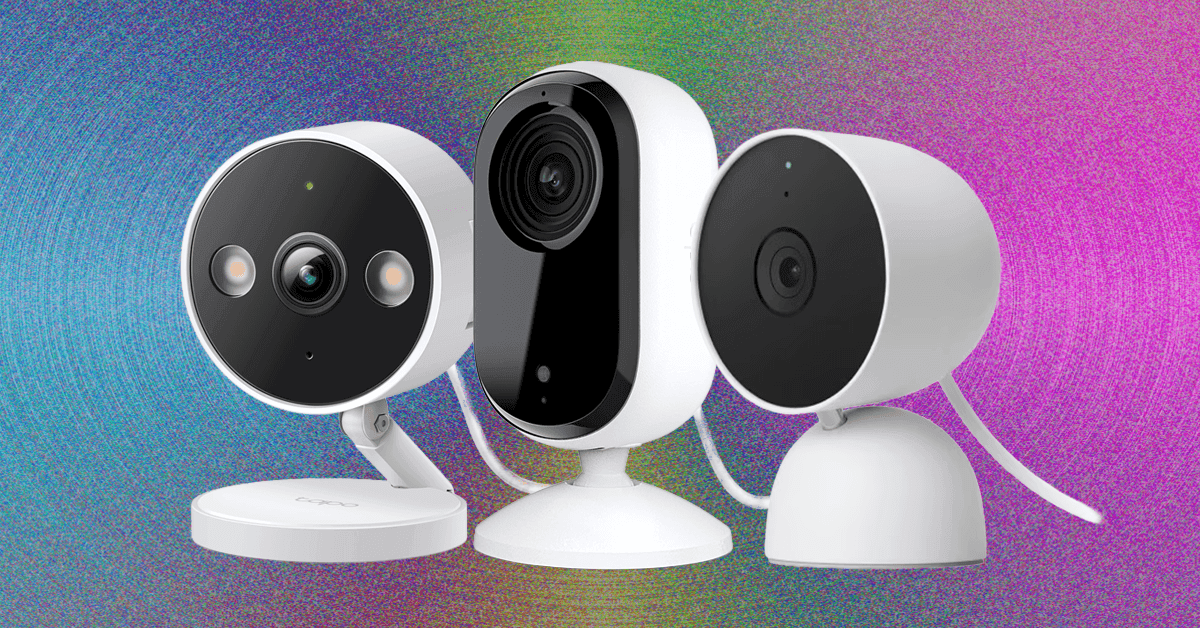
Choosing the right indoor security camera in 2026 means weighing privacy concerns, subscription fees, and powerful AI features. The range of options has never been more diverse or capable.
Why Indoor Cameras Have Gotten More Complicated
A few years back, picking a security camera was straightforward: find one with good video quality and you were set. Now, major brands compete on AI capabilities, and subscription fees to access those features can quickly add up. Testing by Wired’s Simon Hill shows that today’s top cameras do more than just record footage. They can identify people, animals, and packages, sending you alerts that actually matter instead of notifying you every time a shadow moves.
This intelligence comes at a cost. Most cameras range from $50 to $200 upfront, plus $3 to $10 monthly for cloud storage and AI features. Over two years, the subscription can exceed the initial camera cost, so consider that when budgeting.
The Top Picks for 2026
Google Nest Cam (Indoor, Wired)
Google’s wired indoor camera is a favorite for many. It uses on-device AI, meaning it processes information directly on the camera without sending everything to a server. You can detect people, animals, and vehicles without needing a paid plan. With 3 hours of free event history, it’s genuinely useful for casual monitoring. The camera records in 1080p HD and has a 130-degree field of view, covering most standard living rooms from a corner position.
Arlo Essential Indoor Camera
Arlo’s indoor camera appeals to renters since it sits on tables or shelves without needing to drill holes. It includes a privacy shutter — a physical lens cover you can close when the camera shouldn’t be active — a feature Google and Amazon don’t offer. However, Arlo’s best AI features require an Arlo Secure subscription, which costs $8 a month.
Amazon Blink Mini 2
If you’re looking for a budget option, the Blink Mini 2 is priced around $40 and delivers 1080p video with color night vision. It works best within the Amazon ecosystem, connecting easily with Alexa. Plus, it offers free local storage via a USB drive, allowing you to avoid monthly fees — a rare find in this category.
Ring Indoor Cam (2nd Gen)
Ring, which is owned by Amazon, has heavily focused on AI features for 2026. According to CNET’s testing, Ring’s newer models now include Bird’s Eye View, an overhead map view that tracks movement paths around your property, along with better person detection. The Indoor Cam 2nd Gen starts at about $60 and integrates seamlessly with Ring’s broader security ecosystem, including video doorbells and alarm systems.
The Privacy Question You Shouldn’t Skip
Every credible indoor camera guide stresses the same point: placing a camera inside your home is a different decision than mounting one outside. You’re giving a company — whether it’s Google, Amazon, Arlo, or another brand — insight into your private life. Wired’s testing suggests reviewing each brand’s data policy before you buy, especially to see if footage is used for training AI models and who can request access to your recordings.
As a rule of thumb, place cameras in common areas like living rooms or entryways, not in bedrooms or bathrooms. If you live with roommates, make sure they’re aware of the cameras’ presence.
| Factor | Detail |
|---|---|
| Budget camera price range | $35 to $60 |
| Mid-range camera price range | $80 to $130 |
| Typical subscription cost | $3 to $10 per month |
| Free storage (Google Nest) | 3 hours of event history |
| Blink Mini 2 resolution | 1080p with color night vision |
| Nest Cam field of view | 130 degrees |
What This Means for Everyday Users
If you rent and want basic monitoring without drilling holes or paying monthly fees, the Blink Mini 2 with local USB storage is a great starting point. For smarter alerts that distinguish between a dog, a person, and a package, Google Nest Cam’s on-device AI does this without requiring a subscription. If you’re putting together a complete home security setup with doorbells, indoor cameras, and alarms, Ring’s ecosystem integrates everything smoothly.
Testers advise against over-buying. A single well-placed camera covering your front door or main living area addresses most needs. More cameras mean more footage to manage, additional subscriptions, and increased potential privacy issues.
What Real Users Are Saying
“I switched from Ring to Nest Cam last year specifically because I didn’t want to pay for person detection. The free tier on Nest is genuinely useful, not just a teaser.”
— u/SmartHomeSkeptic, Reddit r/homeautomation
“The privacy shutter on the Arlo is a dealbreaker feature for me. I like knowing I can physically block the lens. Software ‘off’ switches just don’t feel the same.”
— YouTube comment on The Hook Up’s Arlo review
What To Watch
- Google I/O follow-through: Google has indicated deeper Gemini AI integration into Nest devices. Expect feature updates to existing Nest Cams later in 2026, which could add more detailed scene descriptions and smarter alert filtering.
- Amazon’s subscription restructuring: Ring and Blink fall under Amazon’s umbrella, and the company has been quietly testing combined security subscription tiers. A unified plan covering both brands could significantly change the pricing game.
- FTC privacy guidelines: Regulators are examining how home camera companies store and share footage. New guidelines expected later in 2026 may require clearer disclosure of data practices, possibly altering how brands market their AI features.

Ava Mitchell
Ava Mitchell is a digital culture journalist at Explosion.com covering social media platforms, streaming services, and the creator economy. With 4 years reporting on TikTok, Instagram, YouTube, and the apps that shape daily life, Ava specializes in explaining platform policy changes and their impact on everyday users. She previously managed social media strategy for a tech startup, giving her firsthand experience with the platforms she now covers.