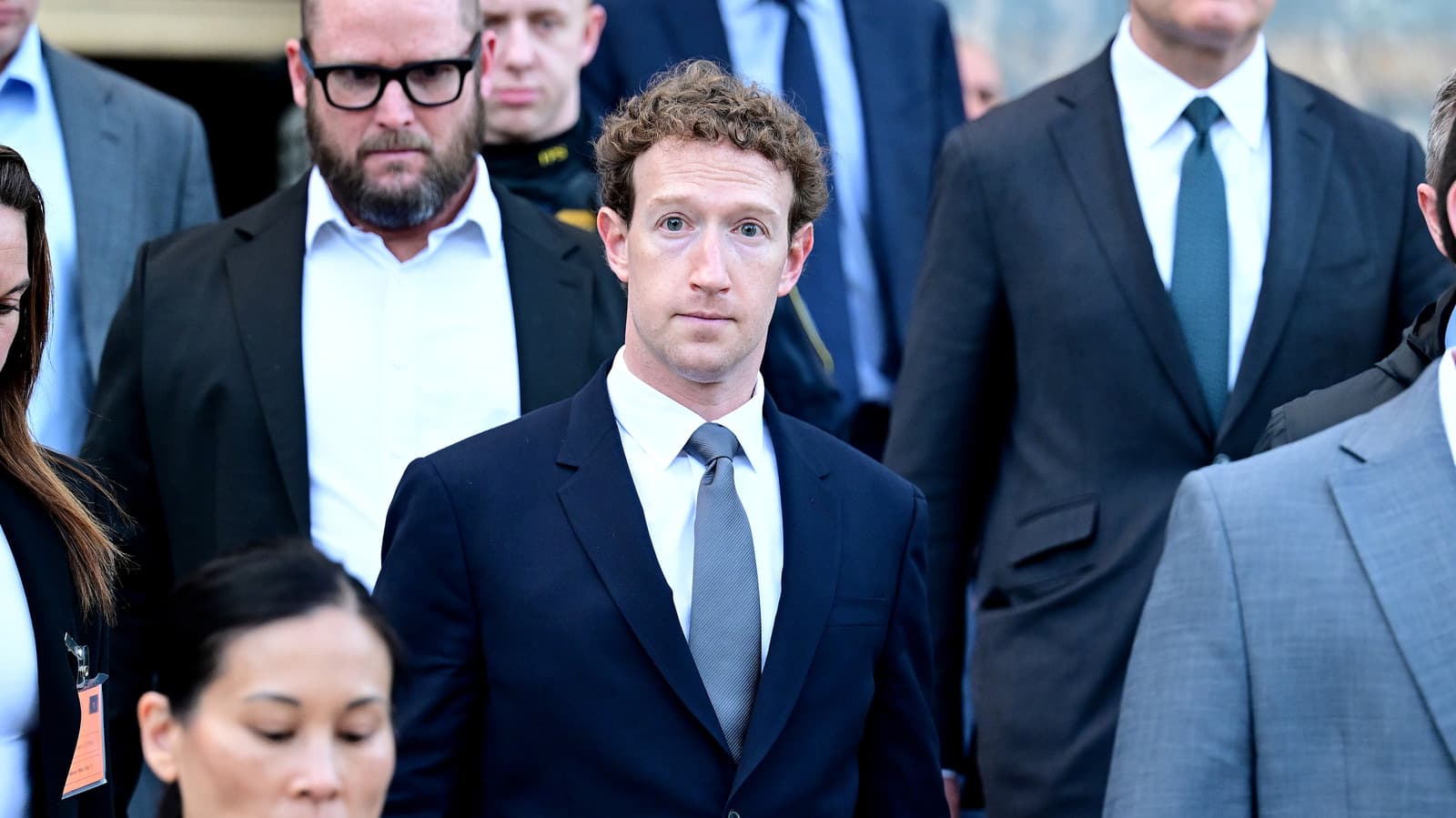
Five major book publishers and a single author have launched a class action lawsuit against Meta and CEO Mark Zuckerberg. They claim the company has committed “one of the most massive infringements of copyrighted materials in history” while training its Llama AI models.
| Meta — By The Numbers | |
|---|---|
| Ticker | META ($603.94, -0.17%) |
| CEO | Mark Zuckerberg |
| Founded | 2004 |
| Headquarters | Menlo Park, CA |
| Sector | Social / AI |
What Happened
The lawsuit involves Macmillan and four other major publishing companies, along with one author. It focuses on Meta’s Llama family of AI models. Llama is Meta’s open-source large language model, designed to understand and generate human language by training on extensive text data. This model powers many of the company’s AI features and is available for developers.
The publishers argue that Meta scraped, or automatically copied and collected, vast amounts of copyrighted books without permission or compensation for use as training data. The quality and quantity of training data directly affect how capable the resulting AI becomes.
According to reporting from The New York Times, as covered by The Verge, the suit names Zuckerberg personally alongside the company, which is unusual. The publishers are seeking class action status to potentially allow other copyright holders to join the case if the court approves it.
Why Books Are at the Center of the AI Copyright Fight
Books make excellent training material for AI because they feature long-form, carefully edited, and structurally coherent writing. If you wanted to teach someone to write well, you’d give them classic novels, not a stack of social media posts. AI developers recognize this, which is why published books often show up in legal disputes over training data.
This case isn’t isolated. Over the last two years, a wave of copyright lawsuits has targeted AI companies. Authors, musicians, visual artists, and news organizations have all filed claims against firms like OpenAI, Google, Stability AI, and now Meta. The legal questions at the heart of these cases revolve around whether using copyrighted material to train an AI counts as “fair use.” This legal doctrine allows limited use of copyrighted work without permission under certain conditions, but courts in the U.S. have yet to settle this issue.
As Engadget reports, this lawsuit specifically targets the unauthorized scraping involved in developing Llama.
Meta’s Position
As of now, Meta hasn’t provided a detailed public response to this lawsuit. The company has previously argued that training AI on publicly available data falls within fair use protections, but this argument hasn’t faced a definitive test in a major court ruling yet.
Community Reaction
“Authors spend years writing books, and Meta just… hoovers them up to build a product they sell ads around. How is that not theft?”
— Reddit user in r/books discussion thread
“I get why authors are angry, but this is going to be one of those cases that drags on for five years and ends in a settlement with no real precedent set.”
— YouTube comment on The Verge’s coverage
What This Means
For everyday readers, the immediate impact is minor. Meta’s AI features will remain available as this case unfolds, and Llama models will keep operating.
However, the broader implications are significant. If publishers win or reach a meaningful settlement, AI companies might need to license training data similarly to how music streaming services pay royalties to record labels. This change would increase costs for building AI systems and could slow the release of new models. It might also mean that AI companies start compensating authors directly for using their work, creating a new revenue stream for writers who worry about AI taking their jobs.
The outcomes of cases like this will help determine whether AI companies owe creators anything for the material that makes those AI systems intelligent.
What To Watch
- Class action certification: The court will decide if this case can proceed as a class action, expanding the number of plaintiffs and potential damages.
- Parallel cases: Similar lawsuits against OpenAI and Google are also moving through courts. A ruling in any of those cases could set a precedent that affects this one.
- Congressional movement: U.S. legislators have been holding hearings on AI and copyright. Any new legislation could alter the legal landscape while this case is ongoing.
- Meta’s formal response: Keep an eye out for Meta’s official legal response to the complaint, which will outline the company’s defense strategy and clarify how this battle will unfold.

Maya Torres
Maya Torres is the Consumer Tech Editor at Explosion.com with 7 years covering product launches for major technology publications. She has reviewed over 300 devices across smartphones, laptops, wearables, and smart home products. Maya specializes in translating spec sheets into real-world buying advice and attends CES, MWC, and Apple keynotes as press. Her reviews focus on helping readers decide what to buy, not just what specs look good on paper.