
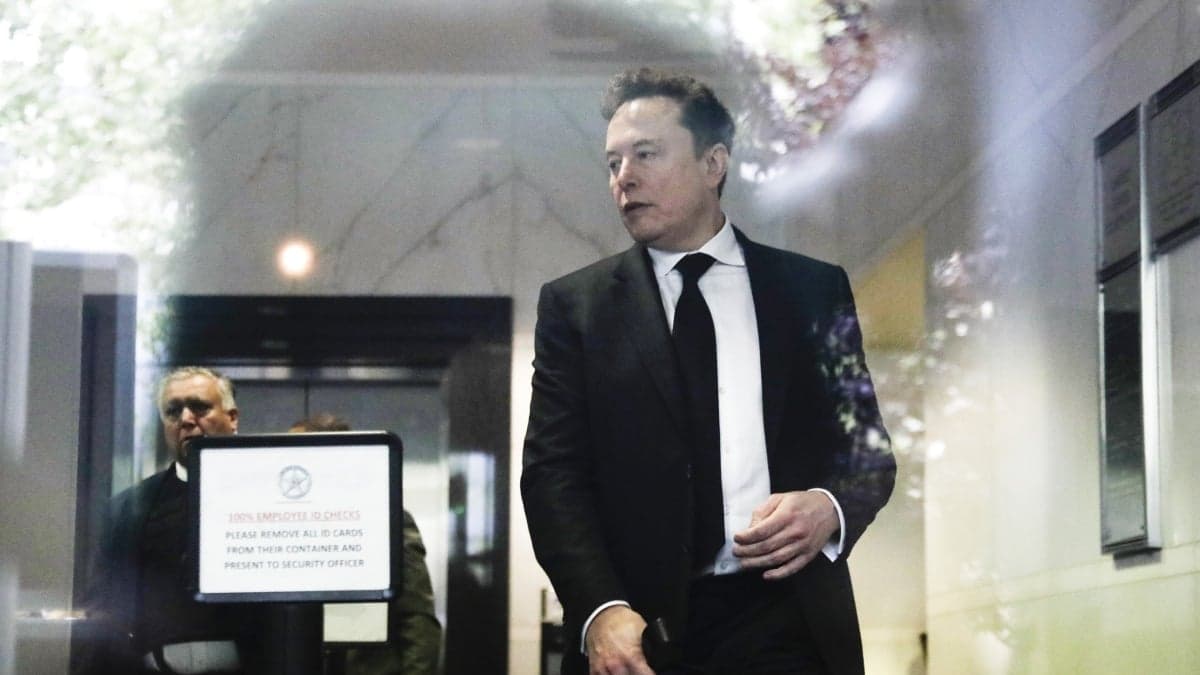
Elon Musk took the witness stand in his lawsuit against OpenAI and CEO Sam Altman, sharing testimony that raised eyebrows and answered questions. One notable moment came when Musk admitted he didn’t know what the internet abbreviation “TL;DR” (short for “Too Long; Didn’t Read”) means.
What Is This Trial Actually About?
Musk co-founded OpenAI in 2015 with Sam Altman and others. Initially, the organization was set up as a nonprofit aimed at developing AI for the benefit of humanity. However, he left the board in 2018. His lawsuit against OpenAI and Altman claims the company strayed from its original nonprofit mission by shifting to a for-profit structure and forming a close partnership with Microsoft. In short, Musk argues that OpenAI made promises it didn’t keep.
The tech world is watching this trial closely because it could reshape how AI companies can structure themselves. Plus, it puts two major figures in artificial intelligence in direct legal conflict.
What Musk Said on the Stand
Musk’s time on the witness stand was rocky. According to Mashable, he stumbled over basic internet terminology. When asked about a message that included “TL;DR,” he seemed unfamiliar with the abbreviation. That’s surprising for someone who runs a social media platform with hundreds of millions of users.
Despite that hiccup, Musk discussed his original intentions for OpenAI. He stated he donated a significant amount of money and lent his name to the organization with the understanding that it would stay a nonprofit research lab. He believes OpenAI’s current commercial direction, especially its relationship with Microsoft and shift toward a capped-profit structure, violates the founding agreement.
The Shivon Zilis Connection
An unexpected topic in the trial involves Shivon Zilis, an executive at Musk’s brain-computer interface company Neuralink and the mother of four of his children. Wired reports that messages presented during the trial show Zilis acted as an informal intermediary between Musk and OpenAI leadership during critical moments in the company’s early days.
Zilis shared information and communications between Musk and the OpenAI team while Musk was a donor and board member. This informal messaging has become crucial evidence as both sides try to clarify what Musk knew, what he was promised, and when he learned it. Wired’s reporting suggests many key questions in the trial relate back to Zilis in some form.
By The Numbers
| Detail | Info |
|---|---|
| Company | OpenAI |
| CEO | Sam Altman |
| Founded | 2015 |
| Headquarters | San Francisco, CA |
| Original Structure | Nonprofit |
| Current Structure | Capped-profit (transitioning) |
| Key Microsoft Investment | $13 billion (reported) |
| Musk’s Claimed Donations to OpenAI | ~$44 million (reported) |
What This Means for Everyday Users
If you use ChatGPT, this trial is more significant than it seems. The main issue being debated is whether an AI company can make a nonprofit promise, collect donations based on that promise, and then quietly shift to a profit-driven model when the technology gains value.
If Musk wins, OpenAI might have to restructure again or face serious legal and financial consequences. Beyond that, a ruling in his favor could make it tougher for other AI organizations to make similar shifts in the future, potentially slowing down the race for investment dollars over public interest missions.
If OpenAI wins, it would set a precedent indicating that founding documents and informal agreements hold limited legal weight when a company undergoes significant changes. This could give other AI firms more flexibility to adapt their models as they grow.
Regardless of the outcome, the products you use — ChatGPT, Microsoft Copilot (which relies on OpenAI technology), and competitors responding to OpenAI’s strategies — will all be affected by the court’s decision.
Community Reactions
“The TL;DR thing is genuinely one of the funniest moments I’ve seen in a tech trial. The guy owns Twitter and doesn’t know what TL;DR means. Come on.”
“People are clowning on Musk for the TL;DR thing but honestly the Shivon Zilis texts are the more interesting story here. That’s where the real receipts are.”
Sources
- Musk on the witness stand: what he said about OpenAI — Mashable
- How Shivon Zilis Operated as Musk’s OpenAI Insider — Wired
What To Watch
- Continued testimony: Both sides still have witnesses and evidence to present, so expect more revelations from internal messages and emails as the trial continues.
- OpenAI’s nonprofit-to-profit transition: OpenAI is currently restructuring into a fully for-profit public benefit corporation. The trial’s outcome could directly impact whether and how that transition moves forward.
- Regulatory attention: Several state attorneys general are closely monitoring OpenAI’s structural changes. A ruling here could prompt additional scrutiny from regulators looking at other AI companies with similar hybrid structures.
- Musk’s own AI play: Musk runs his own AI company, xAI, which creates ChatGPT’s Grok assistant. A win against OpenAI would strengthen his competitive position, making it interesting to see if the trial’s outcome affects xAI’s momentum.

Daniel Park
Daniel Park covers AI, cloud infrastructure, and enterprise software for Explosion.com. A former software engineer who transitioned to technology journalism 5 years ago, Daniel brings technical depth to his reporting on artificial intelligence, startup funding rounds, and the companies building the future of computing. He breaks down complex AI developments and business strategies into clear, actionable insights for readers who want to understand how technology is reshaping industries.


