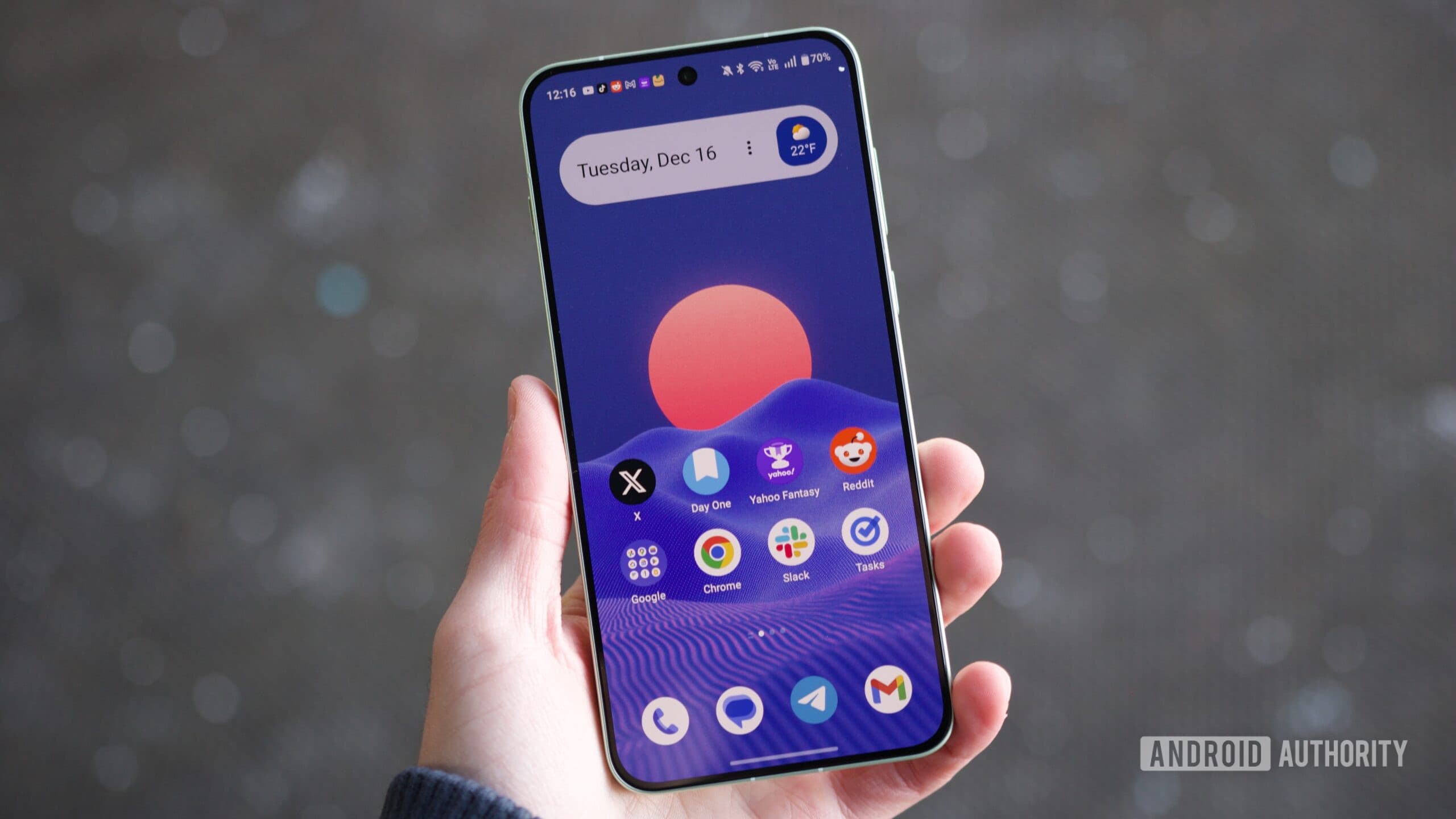
OnePlus and realme, two popular smartphone brands for budget-conscious buyers, are reportedly merging their operations into one unit, as per sources from Android Authority. If this turns out to be true, it could reshape a significant part of the global Android market — and not in a good way.
What’s Actually Happening
Both OnePlus and realme are subsidiaries of BBK Electronics, the large Chinese conglomerate that owns OPPO and Vivo. Think of BBK as a holding company managing several competing smartphone brands. For years, these brands have operated independently, developing unique identities and fan bases. OnePlus gained a following for its flagship-killer phones, which offered high-end specs without the hefty price tag of Apple or Samsung. In contrast, realme focused on affordable entry-level and mid-range devices aimed at first-time smartphone users, particularly in India and Southeast Asia.
Now, according to Android Authority, the two brands are merging into a single operational setup. This means they’ll share resources, possibly development teams, and each brand will have less independence in product decisions.
Why This Might Be Bad News
Brand identity really matters in consumer tech. OnePlus fans chose the brand because it didn’t try to cater to everyone. Its phones came with minimal bloatware (unwanted pre-installed software), quick software updates, and a community-driven approach that made buyers feel included. On the other hand, realme’s audience valued getting maximum hardware at the lowest prices.
Merging two distinct brands risks losing what made each unique. Product decisions will be made by committee, resources will be divided, and the faster brand usually gets slowed down by the larger structure. We’ve seen this before in the smartphone industry.
There’s also the competition angle. BBK’s internal brands have historically competed with each other, often pushing each brand to improve faster. Removing that internal competition by merging might hurt innovation.
What This Means for OnePlus and realme Users
If you own a OnePlus or realme phone, don’t worry — nothing changes right away. Your device will still get the promised software updates. However, looking forward, the merger raises important questions about software support timelines. Will future phones feel as distinct as before? Will customer service and community engagement still be priorities once the brands combine?
If you’re in the market for a new Android phone, keep this merger in mind. A brand undergoing structural changes might be distracted from what made it appealing initially — at least in the short term.
| Metric | OnePlus | realme |
|---|---|---|
| Parent Company | BBK Electronics / OPPO | BBK Electronics / OPPO |
| Brand Focus | Flagship-tier enthusiast devices | Budget and mid-range devices |
| Key Markets | India, Europe, North America | India, Southeast Asia, Europe |
| Founded | 2013 | 2018 |
| Reported Merger Status | Operations reportedly combined under unified structure | |
The BBK Juggling Act Gets Harder
BBK Electronics manages one of the most complex brand portfolios in consumer tech. OPPO, OnePlus, Vivo, and realme often compete in the same market segments. Successfully managing this without hurting your own sales requires keeping each brand distinct. If this merger is confirmed, it suggests BBK might be moving away from that strategy for OnePlus and realme, possibly to cut costs or streamline operations.
Consolidation is a typical corporate strategy, but it usually affects products down the line. Fewer engineers can lead to longer development cycles. Shared components may result in less differentiation. Unified marketing can mean less engaging messaging.
Community Reactions
“OnePlus used to be the brand you recommended to people who knew what they were doing. Now I don’t know what it is. This merger makes it worse.”
“realme was useful because it had its own roadmap and pricing. If they just become OnePlus Lite or whatever, what’s the point of the brand existing?”
What To Watch
- Official confirmation: Neither OnePlus nor realme has confirmed the merger publicly. An official announcement, or lack of one, will show how sensitive the companies consider this news.
- Next flagship launches: The OnePlus 14 series and upcoming realme GT devices will be early tests of whether product quality or identity has shifted under the new structure.
- Software update policies: Keep an eye out for any changes in how long each brand commits to OS updates — a key selling point that could quietly decline post-merger.
- India market reaction: India is crucial for both brands. How Indian consumers and retailers respond to this consolidation will likely influence BBK’s next steps.
Sources: Android Authority — OnePlus and realme merger report

Maya Torres
Maya Torres is the Consumer Tech Editor at Explosion.com with 7 years covering product launches for major technology publications. She has reviewed over 300 devices across smartphones, laptops, wearables, and smart home products. Maya specializes in translating spec sheets into real-world buying advice and attends CES, MWC, and Apple keynotes as press. Her reviews focus on helping readers decide what to buy, not just what specs look good on paper.