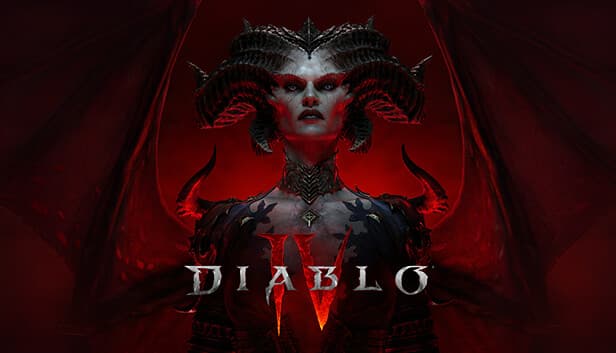
Volatility is a key buff mechanic for the Warlock in Diablo 4’s Season 13: Reckoning. Understanding how it stacks and triggers can make the difference between a build that can clear endgame content and one that struggles at Torment difficulty. Game Rant’s breakdown shows that while the mechanic seems simple in theory, it can be easily misunderstood in practice.
Volatility is a stacking buff that the Warlock gains through certain skills and passive effects. Once you hit the stack threshold, the buff detonates, unleashing a burst of Hellfire damage based on the number of stacks consumed. A crucial point players often overlook is that Volatility doesn’t last forever. If you don’t trigger the detonation within a specific time frame, your stacks will expire, which punishes slower playstyles.
In endgame builds, Volatility acts as the main damage source rather than just a bonus. Maxroll’s Tyrant’s Grasp Warlock endgame build guide for Season 13 focuses entirely on generating and using Volatility stacks quickly. It leverages the Tyrant’s Grasp legendary item to boost the detonation multiplier. This means that gear choices, Paragon board paths, and skill point distribution all aim to maximize stack generation and detonation damage.
For players who are still leveling, the mechanic is a bit easier to manage. Polygon’s best Warlock leveling build guide suggests a more relaxed approach to Volatility during the campaign. Here, it acts as a bonus burst instead of the main damage source. However, around World Tier 3, the scenario shifts. Enemy health pools grow, pushing the Warlock to fully engage with the Volatility loop to maintain efficiency.
The Warlock is one of two new classes introduced in Diablo 4’s Vessel of Hatred expansion, alongside the Spiritborn. Blizzard has been fine-tuning both classes throughout Season 13. Volatility recently saw adjustments to stack generation in a mid-season patch. This change increased the rate at which specific Curse skills build stacks, addressing community feedback that the mechanic felt too slow at higher Paragon levels.
| Metacritic Score | 90 |
| Steam Review Score | 67% positive (22,964 reviews) |
| Current Steam Price | $49.99 |
| Current Steam Players | 40,031 |
| Season 13 Name | Reckoning |
Community feelings about Diablo 4’s monetization continue to affect how players perceive otherwise solid mechanics. One Steam reviewer mentioned: “Game is fine, had a lot of fun in co-op. ‘Twas my first diabloid so I didn’t have any previous experience in this genre and found D4 satisfying. The devs however are nasty [expletive]. Imagine making a DLC.” This sentiment is common, as many players separate their enjoyment of the core game from their frustrations with Blizzard’s pricing on expansions and seasonal content.
What To Watch
- Volatility tuning in future patches: Blizzard has already adjusted stack generation this season. Since endgame Warlock builds depend heavily on this mechanic, any further nerfs to detonation scaling or stack thresholds could greatly impact the meta tier list.
- Warlock positioning going into Season 14: If Volatility-based builds keep their current endgame efficiency, expect Blizzard to make balance adjustments before the next seasonal reset. This may involve tweaking Tyrant’s Grasp interactions or capping stack accumulation rates.
- Expansion content cadence: With Korn recently recording a new track for the next Diablo 4 expansion and the game director openly supporting aspirational endgame content, a second major expansion announcement in 2026 seems more likely. This could introduce new class mechanics that might alter or replace Volatility as the Warlock’s main damage driver.

Marcus Webb
Marcus Webb covers esports, competitive gaming, and community stories for Explosion.com. A former semi-professional Counter-Strike player, Marcus transitioned to journalism 5 years ago and has since covered major tournaments including The International, League of Legends Worlds, and the Valorant Champions Tour. He brings a player's perspective to competitive gaming coverage and is known for his data-driven analysis of player performance and meta shifts.