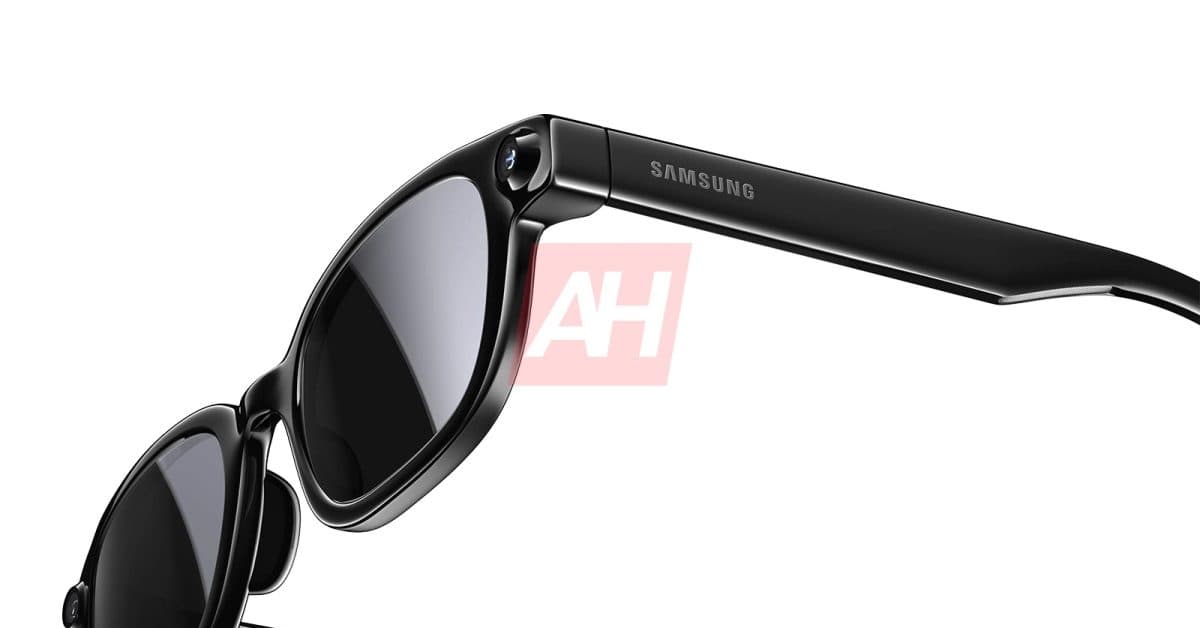
Samsung is quietly integrating support for its upcoming Galaxy Glasses into One UI, the software that powers its Galaxy phones, even before the official announcement. Recent builds of One UI have revealed code references and interface strings that point to a device codenamed “Jinju,” which leaks strongly suggest refers to the Galaxy Glasses. This device is expected to run on Google’s Android XR (extended reality) platform.
What’s Actually Happening
Developers and leakers have found Galaxy Glasses-related code in Samsung’s One UI ahead of any formal product announcement. This strategy is common among major tech companies—they often build the software support ahead of hardware launches to ensure everything functions smoothly from day one. It’s like a restaurant prepping ingredients before opening its doors.
The glasses are internally called “Jinju,” named after a city in South Korea. Reporting from Mashable suggests that the device will use Android XR, a platform developed by Google and Samsung for augmented and mixed reality wearables that overlay digital information onto the real world.
Just this week, finalized product images of the Galaxy Glasses leaked, displaying a design that resembles regular eyeglasses more than the bulkier Ray-Ban smart glasses from Meta. According to 9to5Google, these leaked images indicate that the design is nearly ready for production.
How This Fits Into the Bigger Picture
Samsung isn’t the only player trying to put a computer on your face. Meta has its Ray-Ban smart glasses, Google is developing its own Android XR glasses, and Apple has the Vision Pro, which is more of a full headset than just glasses. What sets the Galaxy Glasses apart is Samsung’s focus on deep integration with its Galaxy phone ecosystem.
By building One UI support ahead of launch, Galaxy phone users will likely be able to manage, pair, and update the glasses directly from their phone’s settings—much like how AirPods automatically connect to an iPhone. This seamless experience can make a big difference in whether a product gets used or ends up collecting dust.
The Android XR Angle
Android XR is Google’s operating system designed specifically for spatial computing devices—like glasses and headsets. Since Samsung’s Galaxy Glasses will run on Android XR, developers can create apps for this platform that work across both Samsung’s glasses and other Android XR devices. This gives it a significant edge over proprietary platforms with limited developer support.
| Founded | 1938 |
|---|---|
| Headquarters | Seoul, South Korea |
| CEO | Jong-Hee Han |
| Stock (005930.KS) | ₩220,500 (-2.43%) |
| Sector | Hardware |
| Expected Announcement | Late 2026 |
| Internal Codename | Jinju |
| Platform | Android XR |
What This Means for Everyday Users
If you own a Galaxy phone, the key takeaway is that Samsung seems to be positioning these glasses as an important part of its product lineup, not just a minor experiment. Early software support indicates that Samsung is serious about ensuring these glasses work seamlessly with your phone from the start.
For everyone else, the introduction of the Galaxy Glasses adds another viable option in a market still finding its way. Increased competition usually leads to better products and lower prices over time. Whether smart glasses will become mainstream in 2026 or take a few more years to catch on remains to be seen.
Community Reactions
“The codename ‘Jinju’ is interesting. If the design really looks like normal glasses in those leaks, that’s the first time I’ve actually wanted a pair of smart glasses.”
“Samsung adding support to One UI this early is a good sign. Remember how rough the Galaxy Watch setup was at launch? Looks like they learned their lesson.”
What To Watch
- Late 2026: Expect the Galaxy Glasses to be officially announced, likely during a Samsung Unpacked event.
- One UI updates: Keep an eye out for more Galaxy Glasses-related features and settings to pop up in One UI beta builds in the coming months—each new addition will reveal what Samsung has planned.
- Google I/O and Android XR news: Updates from Google about Android XR will directly impact the capabilities of the Galaxy Glasses, so don’t miss their developer conferences.
- Competitor moves: Meta and Google are both expected to showcase updated smart glasses hardware in 2026, which could influence Samsung’s final features or pricing.

Ava Mitchell
Ava Mitchell is a digital culture journalist at Explosion.com covering social media platforms, streaming services, and the creator economy. With 4 years reporting on TikTok, Instagram, YouTube, and the apps that shape daily life, Ava specializes in explaining platform policy changes and their impact on everyday users. She previously managed social media strategy for a tech startup, giving her firsthand experience with the platforms she now covers.