
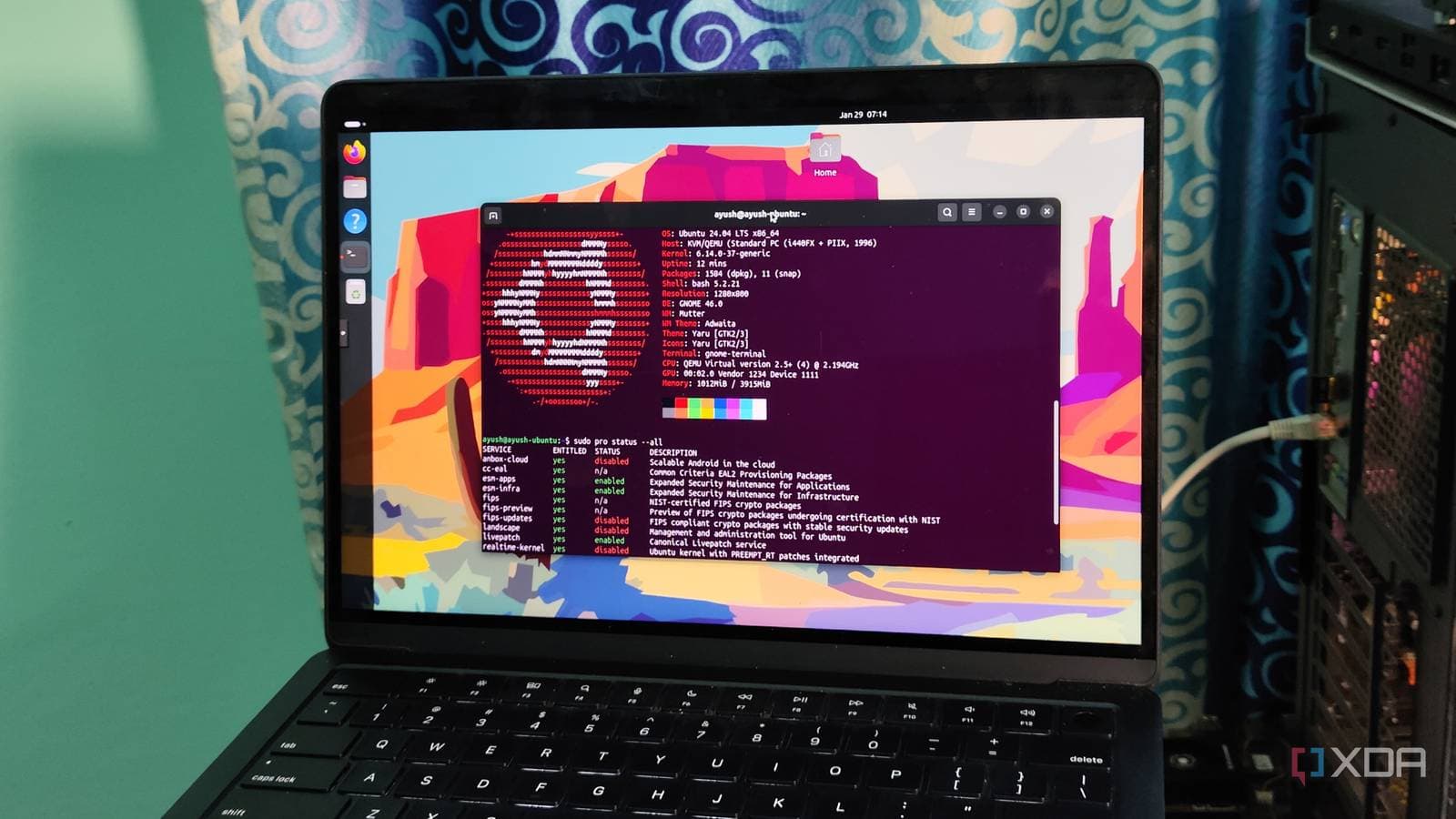
Ubuntu 26.04 will block your system upgrade if any of your containers are still using cgroup v1. This legacy resource management system is now being actively phased out by Canonical as they prepare for the next long-term support release.
What’s Actually Happening
When Ubuntu 26.04 launches, the upgrade process will check for any running containers that depend on cgroup v1 (which stands for “control groups version 1”). This is a Linux kernel feature that manages how much CPU, memory, and other resources each container can access. If the system detects any cgroup v1 containers, the upgrade halts immediately. You’ll need to migrate those containers to cgroup v2, which has been the default on most Linux systems since 2021, before moving on.
You can think of cgroup v1 like an old electrical panel in your home. It still functions, but new tools and code are increasingly designed for the updated version. Canonical has decided it’s time to stop supporting both versions simultaneously.
Why Canonical Is Doing This Now
Cgroup v2 has been around since Linux kernel 4.5, which came out back in 2016. It became the default for most major distributions several years ago. Since Ubuntu 26.04 is a Long-Term Support (LTS) release, Canonical will support it for five years. Maintaining cgroup v1 support during that time would require keeping up outdated code for a feature that Docker, Kubernetes (the leading container orchestration platform), and systemd have all moved past.
This means that the Thursday before Ubuntu 26.04’s release is a hard deadline for system administrators managing containerized workloads on Ubuntu servers.
Who Actually Gets Affected
Most everyday Ubuntu desktop users won’t notice this change. If you’re not running containers, the upgrade check will go smoothly.
However, the following groups should pay attention:
- Server administrators using Docker containers configured with cgroup v1
- DevOps teams that haven’t updated older Kubernetes configurations
- Developers with local container environments on Ubuntu that are outdated
- Businesses running legacy applications containerized years ago without updates
The solution isn’t complex in most situations; it mainly involves a configuration change and restarting the container. But someone needs to handle this, which is why the hard block is important. It pushes for migration rather than letting it linger on a to-do list.
| By The Numbers | |
|---|---|
| Year cgroup v2 was introduced | 2016 (Linux kernel 4.5) |
| Year cgroup v2 became systemd default | 2021 |
| Ubuntu LTS support window | 5 years |
| Ubuntu 26.04 release cycle | Long-Term Support (LTS) |
| Minimum kernel for cgroup v2 | 4.5+ |
How To Check If You’re Affected
You can determine if your system is using cgroup v1 or v2 by running this command in a terminal:
stat -fc %T /sys/fs/cgroup/
If the output shows cgroup2fs, you’re on v2 and good to go. If it says tmpfs, you’re still on v1 and need to migrate before upgrading.
For Docker, specifically, you can check by running docker info | grep -i cgroup and looking for the “Cgroup Version” line in the output.
What This Means
If you’re a home Ubuntu user, nothing changes for you. But if you manage Ubuntu servers or run containers in a development workflow, you have a firm deadline to complete a migration that many in the industry already considered overdue. The good news is that cgroup v2 really is better. It provides more precise resource controls, improved performance visibility, and cleaner management of nested containers. Most users who’ve transitioned haven’t looked back.
For businesses with large fleets of containerized applications, this forced migration can help IT teams that often need a push to finish projects. Ubuntu is giving them that push.
Community Reactions
“Good. Cgroup v1 has been ‘deprecated but not removed’ for so long that half the industry forgot they needed to migrate. This is the push that actually gets it done.”
— u/kernelpanic_dev on Reddit
“This is going to break so many enterprise setups where nobody’s touched the container config since 2019. The upgrade block is the right call, but the support tickets are going to be brutal.”
— YouTube comment on XDA Developers’ coverage
What To Watch
- Ubuntu 26.04 release date: The LTS is set for late April 2026. The Thursday deadline mentioned in Canonical’s announcement comes just before the official release.
- Docker and Kubernetes documentation updates: Both projects offer migration guides for cgroup v2. Expect their pages to see increased traffic as the deadline approaches.
- Enterprise response: Large organizations on Ubuntu Server that haven’t migrated might seek extended support from Canonical instead of rushing a container migration.
- Other distributions: If Ubuntu’s approach proves effective, other distros might adopt similar enforcement strategies for future LTS releases.
Sources: XDA Developers — Ubuntu 26.04 cgroup v1 upgrade block

Maya Torres
Maya Torres is the Consumer Tech Editor at Explosion.com with 7 years covering product launches for major technology publications. She has reviewed over 300 devices across smartphones, laptops, wearables, and smart home products. Maya specializes in translating spec sheets into real-world buying advice and attends CES, MWC, and Apple keynotes as press. Her reviews focus on helping readers decide what to buy, not just what specs look good on paper.


