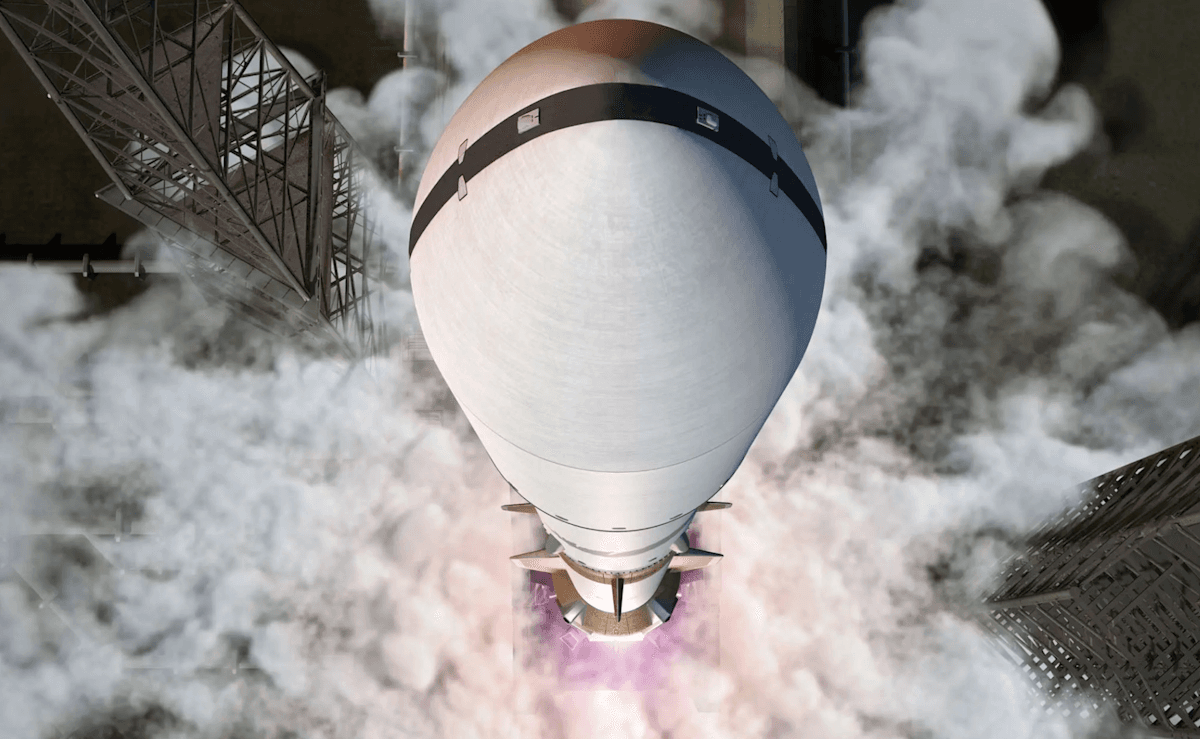
The Federal Aviation Administration has grounded Blue Origin’s New Glenn rocket after it dropped its payload satellite into the wrong orbit during a Sunday launch from Cape Canaveral, Florida. The FAA has labeled this incident a “mishap.”
What Happened During the Launch
New Glenn launched on its third mission on Sunday, with the first stage performing as expected. However, issues arose during the upper stage, specifically in the second-stage flight. This stage is responsible for carrying the payload to its intended orbit.
Imagine it like a two-stage relay race: the first runner (the booster) hands off the baton perfectly, but the second runner stumbles and ends up in the wrong lane. The satellite made it to orbit, but not the right one. This distinction is crucial — a satellite in the wrong orbit might not fulfill its mission and could need a lot of fuel to correct its path, fuel that was meant for its actual operations.
The FAA has confirmed it’s aware of the situation and has started an investigation into the upper stage failure. According to FAA rules, any rocket involved in a mishap must stay grounded until the agency approves a return-to-flight plan. This plan requires the operator to find the root cause, fix it, and prove that the fix won’t lead to new issues.
Blue Origin’s New Glenn: A Rocket Still Finding Its Footing
New Glenn is Blue Origin’s heavy-lift orbital rocket, designed to carry large payloads into orbit and competing with SpaceX’s Falcon 9. The rocket had its first flight in January 2025 after years of delays, making Jeff Bezos’s company a late player in the commercial launch market dominated by SpaceX.
This third mission is another setback for a rocket that Blue Origin aims to establish as a reliable option for commercial launches. The company has contracts with clients like NASA and various commercial satellite operators, all needing assurance that New Glenn can reliably deliver payloads to the correct locations.
| New Glenn: By The Numbers | |
|---|---|
| Total New Glenn Flights | 3 |
| Current Mission Number | New Glenn 3 |
| Launch Site | Cape Canaveral, Florida |
| FAA Classification | Mishap (grounds vehicle) |
| Stage Where Failure Occurred | Upper stage (second stage) |
| Rocket Height | 98 meters (322 feet) |
What the FAA Investigation Means
When the FAA labels a launch event as a mishap, it kicks off a formal investigation. The operator, in this case Blue Origin, needs to conduct its own investigation, but the FAA oversees the process and must approve the findings before the rocket can fly again.
This investigation can take weeks or months, depending on how quickly engineers can find the cause and validate a solution. SpaceX has gone through similar processes several times with Starship during its test campaign, facing grounding periods that varied from a few weeks to several months.
According to reports from the Orlando Sentinel, which multiple outlets have cited, the FAA has already reached out to Blue Origin regarding the incident.
What This Means for Everyday People
You might wonder why this matters if you’re not a satellite operator or a space industry investor. Here’s the deal: New Glenn is one of the rockets expected to diversify the commercial launch market, which currently relies heavily on SpaceX’s Falcon 9. More reliable competitors lead to more launches, better pricing competition, and ultimately more satellites providing crucial services like GPS, weather updates, internet access, and communications.
When a rocket gets grounded, any customers with payloads scheduled on that vehicle face delays. These delays can postpone satellite deployments, which may impact the services those satellites were designed to enhance. For many, the effects might not be visible, but they’re very real.
For Blue Origin, this is a critical moment. The company needs to demonstrate it can quickly identify problems, address them transparently, and safely return to flight — the same standard that applies to every launch provider.
Community Reaction
“The upper stage failing on mission 3 is genuinely concerning. You’d expect that to be the most understood part of the rocket by now. Hope they figure out the root cause fast and are transparent about it.”
— u/OrbitalMechanicsNerd, r/space
“Wrong orbit isn’t the same as blowing up, but it’s worse from a customer perspective. At least with an explosion, you know exactly what went wrong.”
— YouTube comment on NASASpaceflight coverage of the launch
What To Watch
- FAA investigation timeline: No official end date has been set. Keep an eye out for Blue Origin to publish an anomaly report, which usually signals that engineers have identified a cause.
- Blue Origin statement: The company hasn’t issued a detailed public explanation of what went wrong with the upper stage yet. A formal update is expected soon.
- Return-to-flight approval: The FAA needs to sign off before New Glenn can launch again. Based on past experiences with other operators, this process typically takes at least several weeks.
- Customer impact: Watch for any announcements from payload customers regarding mission status or schedule changes as the grounding continues.
Sources: Engadget | TechCrunch | The Verge

Ava Mitchell
Ava Mitchell is a digital culture journalist at Explosion.com covering social media platforms, streaming services, and the creator economy. With 4 years reporting on TikTok, Instagram, YouTube, and the apps that shape daily life, Ava specializes in explaining platform policy changes and their impact on everyday users. She previously managed social media strategy for a tech startup, giving her firsthand experience with the platforms she now covers.