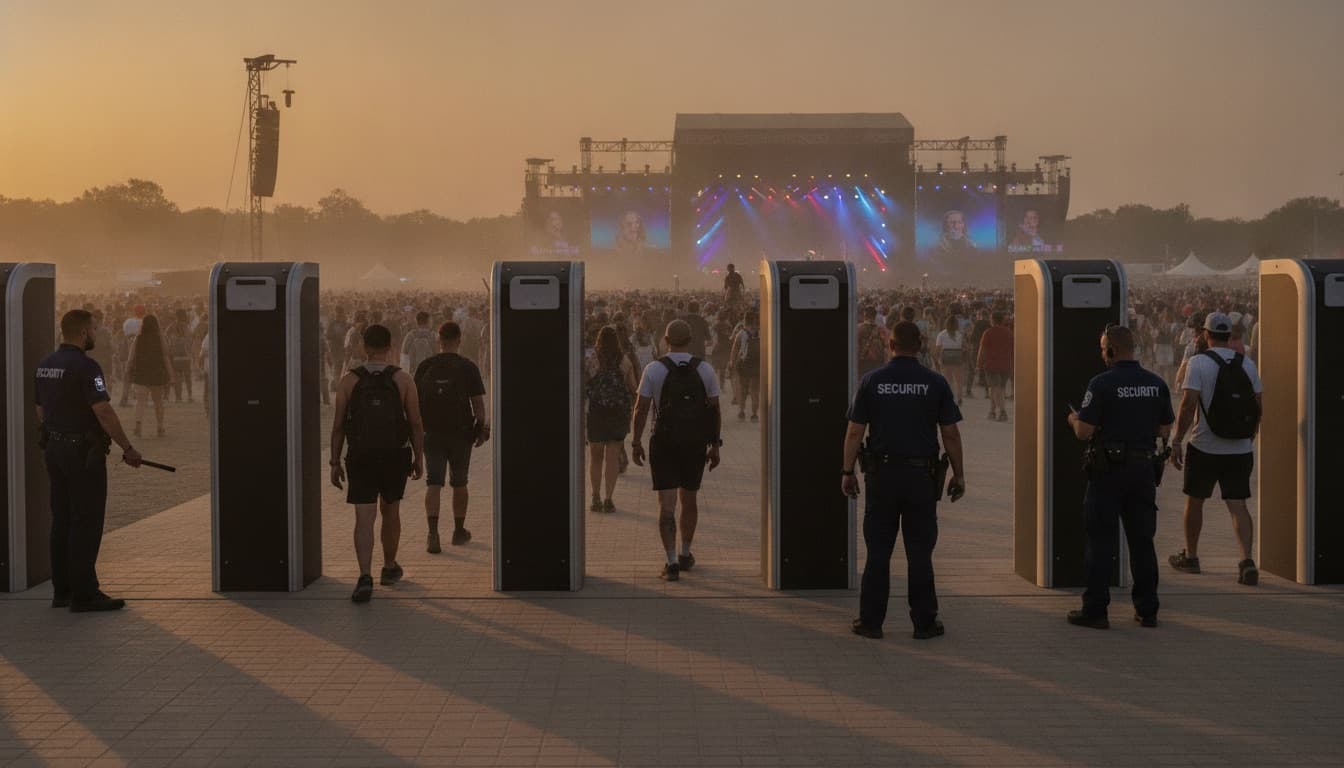
Almost half of the songs uploaded to Deezer each day are generated by AI, and most of the streams those tracks receive are fake, according to new data from the French music streaming service.
Deezer reports that it gets around 75,000 AI-generated song submissions daily, which makes up about 44 percent of all uploads to the platform. However, here’s the catch: even with this surge of AI music, listeners aren’t picking these tracks. AI songs account for only 1 to 3 percent of total streams, with a staggering 85 percent of those flagged as fraudulent and stripped of any monetization.
A Flood of Music Nobody Asked For
Picture Deezer’s catalog as a huge warehouse. Each day, tens of thousands of AI-generated songs are dropped off at the loading dock, but hardly any make it onto playlists. The warehouse keeps getting fuller, while customers continue to choose the same records they always have.
These AI uploads aren’t mainly from artists trying out new tools. Deezer indicates that most submissions seem aimed at gaming the streaming royalty system. The strategy involves uploading a massive volume of AI-generated tracks and then using bots—automated programs that mimic human listeners—to stream those songs repeatedly. The hope is to rake in small royalty payments en masse. It’s all about the numbers, and streaming platforms have battled this issue for years.
What’s different now is the scale. AI music generation tools have made it quicker and cheaper than ever to churn out thousands of tracks in no time. As a result, the number of these fraudulent attempts has skyrocketed.
How Deezer Is Responding
Deezer claims it has systems in place to detect fraudulent streaming activity. When a stream is marked as fake, the rights holder doesn’t receive payment for it. The company is also advocating for broader industry action, arguing that the current per-stream royalty model—which pays a tiny amount for each play—creates a financial incentive for this manipulation.
Deezer has previously pushed for an “artist-centric” royalty model. This model would prioritize payments for tracks with actual human listeners, rather than distributing money equally for every stream, regardless of whether a real person played it. The new data adds urgency to that argument.
| AI-generated songs uploaded per day | ~75,000 |
|---|---|
| Share of daily uploads that are AI-generated | 44% |
| Share of total streams that are AI music | 1–3% |
| AI streams flagged as fraudulent | 85% |
| Fraudulent AI streams that get demonetized | 85% |
What This Means for Everyday Listeners
If you use Deezer, you probably haven’t noticed much in your daily listening habits. Most of the AI flood is happening behind the scenes in the catalog database, not in the recommendations or charts you actually engage with. Real human-made music still dominates what people choose to stream.
However, there are real implications for the music industry that will eventually touch everyone. When fraudulent streams take even a small slice of the royalty pool, that money gets diverted from legitimate artists. It’s like someone constantly cutting in line at a ticket booth. Even if each person only takes a little, the overall effect means less for everyone else.
This is a genuine financial worry for independent musicians who depend on streaming income. The royalty pool isn’t endless, and any fraction that goes to bot-driven AI tracks is a fraction not going to real artists.
Community Reaction
“This is exactly why the per-stream model is broken. Bots don’t care about music, they care about fractions of a cent multiplied by millions.”
“44% uploads but only 1-3% streams actually shows the detection is working to some degree. The real story is how much it’ll cost platforms to keep up with AI generation speeds going forward.”
The Bigger Picture
Deezer isn’t the only platform facing this challenge. Spotify, Apple Music, and others have also seen increases in AI-generated and bot-driven content over the past few years. In 2023, Spotify removed tens of millions of tracks after spotting fraud patterns, and the RIAA has been pushing for clearer legal frameworks around AI music.
What makes Deezer’s announcement stand out is the clarity of the numbers. By providing a specific figure—44 percent of uploads—it gives the industry a clearer benchmark for understanding how serious this issue has become. Sources covering this story include The Verge, Ars Technica, and TechCrunch.
What To Watch
- Royalty model reform: Deezer’s data strengthens the case for changing how streaming royalties are calculated. Keep an eye out for proposals from major platforms and industry groups soon.
- Other platforms’ numbers: Spotify, Apple Music, and Amazon Music haven’t released similar figures. They may face pressure to do so.
- AI detection arms race: As detection tools improve, so will the methods to evade them. How platforms invest in fraud detection will be a key story throughout the rest of 2026.
- Regulatory attention: With AI and copyright already under scrutiny in the US and EU, these fraud numbers could catch the eye of policymakers tackling the broader AI music issue.

Daniel Park
Daniel Park covers AI, cloud infrastructure, and enterprise software for Explosion.com. A former software engineer who transitioned to technology journalism 5 years ago, Daniel brings technical depth to his reporting on artificial intelligence, startup funding rounds, and the companies building the future of computing. He breaks down complex AI developments and business strategies into clear, actionable insights for readers who want to understand how technology is reshaping industries.