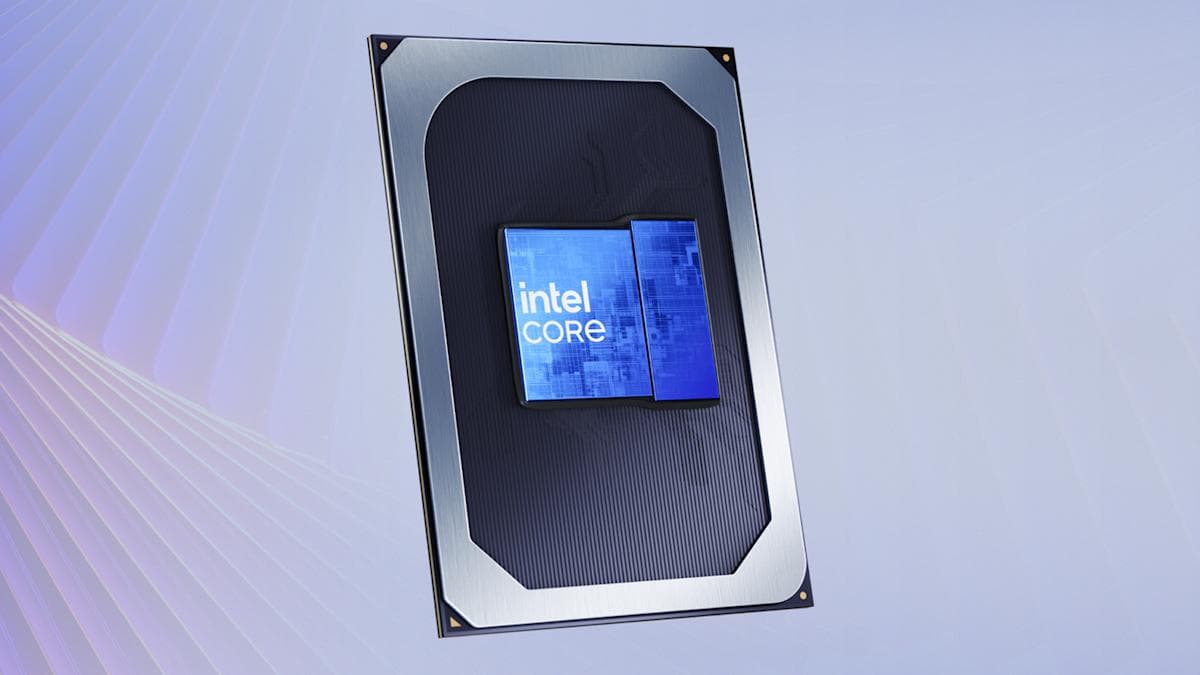
Intel has just launched its Core Series 3 processor lineup, a new set of chips tailored for affordable everyday laptops. The company aims to present these processors as a solid upgrade for budget-minded shoppers who don’t require a high-end machine.
The new chips, codenamed “Wildcat Lake,” come in six configurations. This variety gives laptop manufacturers the flexibility to create everything from ultra-slim basic notebooks to slightly more powerful mainstream models. Intel shared this news through its official newsroom, which was quickly covered by Engadget and XDA Developers.
What Is the Core Series 3?
Picture Intel’s chip lineup like a car showroom. The Core Series 9 and Series 7 are the sports cars, built for speed and aimed at power users and gamers. In contrast, the Core Series 3 acts like a reliable compact sedan: practical, efficient, and affordable for those who just need to get from one place to another.
The name “Wildcat Lake” refers to the chip’s microarchitecture, which is the engineering design that dictates how the processor functions. Intel hasn’t previously used this design in its entry-level chips, indicating a significant generational advancement rather than just a rebranding of older technology.
With six SKUs (stock-keeping units, or versions of the chip with different speeds, core counts, and power levels), manufacturers can tailor laptops to various price points and use cases. Some versions will focus on battery life, while others will emphasize performance.
Who Is This For?
The Core Series 3 targets everyday users: students, office workers, and anyone primarily using their laptops for web browsing, document management, video calls, and streaming. These chips aren’t intended for video editors or gamers. However, for millions needing a dependable laptop that won’t run out of battery by noon, this series could be just right.
Entry-level laptops have often been a weak point for Intel, featuring older or less efficient chips that sometimes made budget Windows laptops feel slow. The Core Series 3 refresh shows that Intel wants to improve this segment, especially as competition from AMD’s Ryzen and Qualcomm’s Snapdragon X chips has increased in the budget and mid-range markets.
| Metric | Detail |
|---|---|
| Company | Intel Corporation (INTC) |
| Stock Price | $68.50 |
| Headquarters | Santa Clara, CA |
| CEO | Pat Gelsinger |
| Founded | 1968 |
| Core Series 3 Configurations | 6 SKUs |
| Chip Codename | Wildcat Lake |
| Target Market | Mainstream and entry-level laptops |
What This Means
If you’re in the market for a budget laptop in the next six to twelve months, you’ll likely spot “Intel Core 3” stickers on devices at retailers like Best Buy or Amazon. The key takeaway? A Core Series 3 label should indicate better performance and efficiency than what you’d get for the same price a year or two ago.
For students getting their first laptop or small businesses providing basic machines for employees, this lineup could make the $400-$600 laptop range much more capable. The six-configuration strategy also means the chip will appear in various devices, giving you options beyond just one brand or form factor.
Keep in mind that “entry-level” still means entry-level. If you’re planning to do anything more demanding than basic productivity tasks and media consumption—like photo editing, light gaming, or running multiple heavy applications—you’ll want to consider the Core Series 5 or Series 7 instead.
Community Reaction
Initial reactions online have been cautious yet curious. On Reddit’s r/hardware, one user pointed out that the real test will be real-world battery life benchmarks: “Wildcat Lake on paper sounds fine, but let’s see what reviewers get in actual battery rundown tests before getting excited.” (u/silicon_skeptic, r/hardware)
On YouTube, comments on early coverage have highlighted competitive pressure as a significant factor: “Intel needs this to compete with what Qualcomm is doing in the budget space. If Wildcat Lake can hit 12+ hours of real-world use, this is actually interesting.” (YouTube commenter on Engadget’s coverage)
What To Watch
- First laptop announcements: Now that the chips are official, expect laptop makers to start revealing Wildcat Lake-powered devices soon, likely just in time for back-to-school shopping later this year.
- Independent benchmarks: The first independent performance and battery tests will be crucial. Look for coverage from sites like NotebookCheck, The Verge, and Laptop Mag once review units are available.
- AMD and Qualcomm responses: Both AMD (with its Ryzen 200 series) and Qualcomm (with Snapdragon X) are competing fiercely in this price range. Intel’s Core Series 3 launch will likely spur updated strategies from both competitors.
- Retail pricing: While Intel sets chip prices, laptop manufacturers determine the final retail price. Whether Wildcat Lake appears in sub-$500 machines or gets pushed into the $600-$700 range will impact how many everyday shoppers can access it.

Daniel Park
Daniel Park covers AI, cloud infrastructure, and enterprise software for Explosion.com. A former software engineer who transitioned to technology journalism 5 years ago, Daniel brings technical depth to his reporting on artificial intelligence, startup funding rounds, and the companies building the future of computing. He breaks down complex AI developments and business strategies into clear, actionable insights for readers who want to understand how technology is reshaping industries.