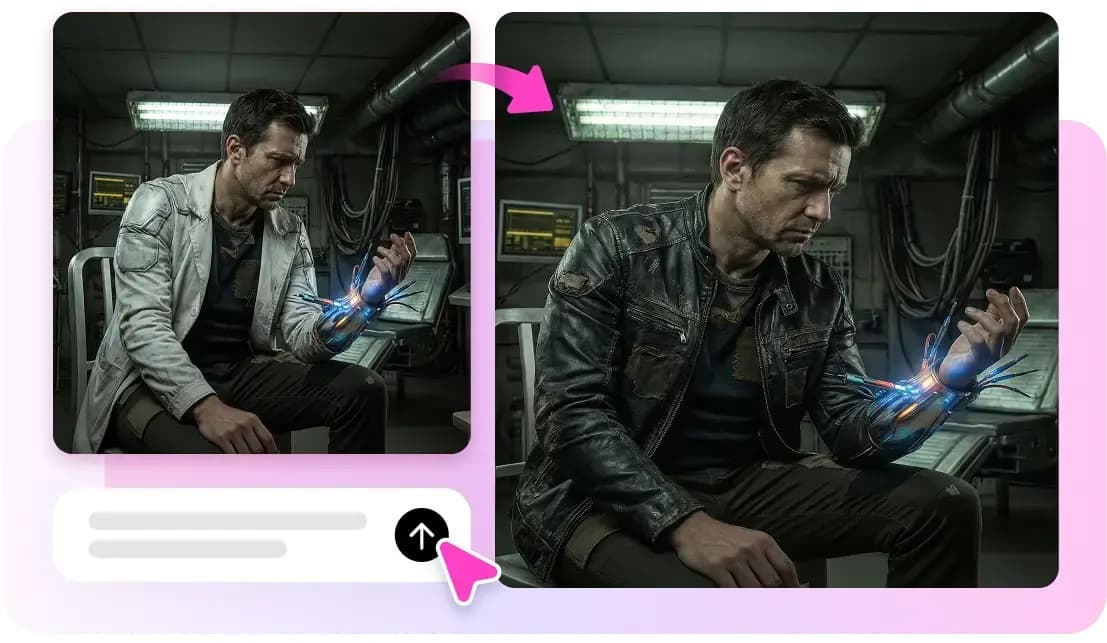
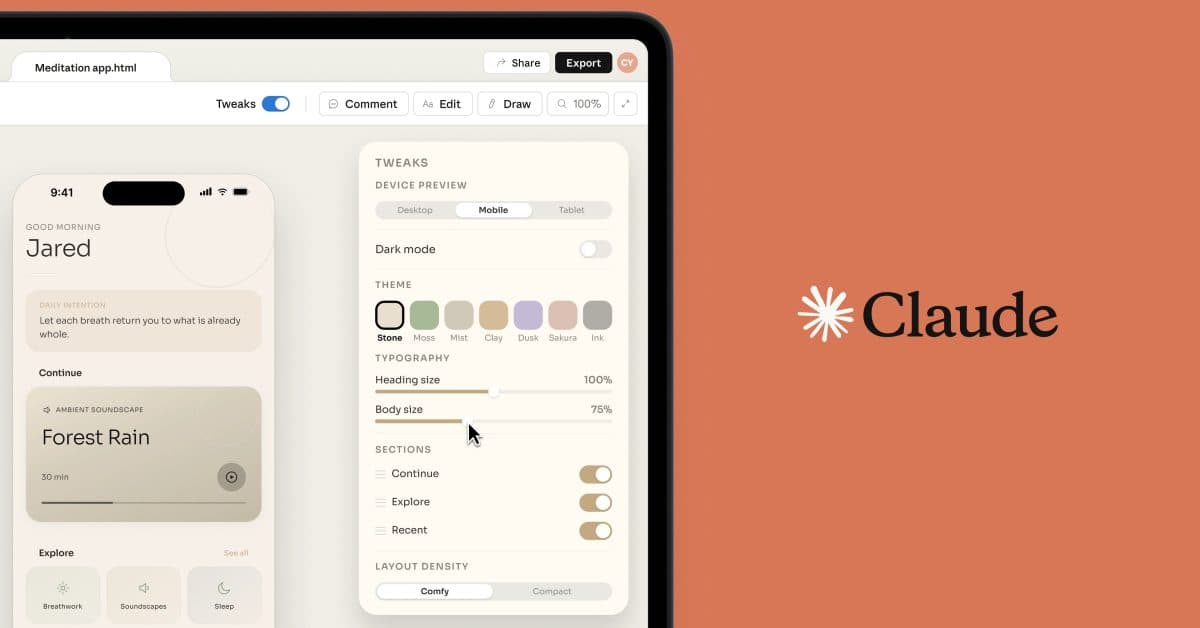
Anthropic has introduced Claude Design, a new tool designed to help non-designers quickly transform their ideas into visual assets — no art degree needed.
The San Francisco-based AI company behind the Claude chatbot revealed the product on April 17. It’s aimed at founders, product managers, and anyone else who wants to convey a visual idea but doesn’t have a designer on speed dial. Importantly, Claude Design is not an image generation tool — it operates differently from DALL-E or Midjourney, which create images based on text prompts. Instead, Claude Design assists users in crafting structured visuals, mockups, and design assets by utilizing Claude’s existing grasp of layout, hierarchy, and content.
This launch comes on the heels of a busy week for Anthropic, which also rolled out an update to its Opus 4.7 model — the latest and most capable version of Claude — earlier in the week.
What Claude Design Actually Does
Consider Claude Design less like a paintbrush and more like a smart template engine. Instead of generating photorealistic images, it helps users create visual communications: pitch deck slides, product concept layouts, or quick wireframes (basic outlines of how an app or webpage might look).
The intended user, as described by Anthropic, is someone who has a clear concept in mind but struggles to present it on screen in a polished manner. This could be a startup founder trying to mock up a product idea before hiring a designer. Or a product manager needing to illustrate a feature request without waiting days for design resources.
On Mac, Claude Design integrates into Anthropic’s existing suite of desktop tools, placing it alongside other Claude-powered features that Mac users have been building over the past year.
Not an Image Generator — Here’s Why That Matters
CNET pointed out that the distinction of “not an image generation tool” is important given how Claude functions. Claude has always been a text-and-reasoning model — it thinks in terms of language, structure, and logic. Trying to add pixel-level image generation would require a significant architectural shift. Instead, Anthropic focuses on Claude’s strengths: understanding what you want to communicate and helping you organize that visually.
This approach puts Claude Design in a different category from tools like Adobe Firefly or Canva’s AI features, which rely heavily on image synthesis. A better comparison might be a more advanced version of Google Slides’ “Help me visualize” feature — concentrating on structure and communication instead of artistic creation.
| By The Numbers: Anthropic | |
|---|---|
| Founded | 2021 |
| Headquarters | San Francisco, CA |
| CEO | Dario Amodei |
| Sector | Artificial Intelligence |
| New Product | Claude Design (launched April 17, 2026) |
| Model Updated This Week | Claude Opus 4.7 |
What This Means for Everyday Users
If you’ve ever stared at a blank slide or tried to sketch an app idea on a napkin, Claude Design targets that exact problem. The practical pitch is simple: you describe what you need, and Claude helps you build something that appears intentional rather than hastily assembled.
For small business owners, indie developers, or anyone running a solo operation, this could mean skipping the early stage of “I need to hire a designer just to explain my idea.” You can create something presentable quickly, then refine it later with professional help — or decide you don’t need to at all, depending on your needs.
Mac users will appreciate the added benefit of desktop integration. This means Claude Design works alongside your other apps without needing a browser tab. That kind of efficiency is crucial when you’re trying to move fast.
The tool does have its limitations. It won’t replace a professional designer for a brand identity project or a polished marketing campaign. But for internal decks, early-stage mockups, or quick visual communication, it could save you hours of fiddling with Figma (a popular design software) or PowerPoint.
Community Reaction
“This is actually what I’ve been wanting. Not AI art, just help making my slides not look like garbage.”
“Curious how this compares to just using Claude to write HTML/CSS for a mockup. Might be doing the same thing under the hood.”
What To Watch
- Broader platform rollout: Claude Design launched with a focus on Mac. Whether Anthropic expands it to Windows or web-only users remains to be seen.
- Opus 4.7 integration: With the model upgrade arriving the same week, keep an eye on whether Claude Design gains more capabilities in the coming weeks as Anthropic ties the two together.
- Competitive response: OpenAI and Google both have design-adjacent AI features in the works. Claude Design’s launch could speed up their timelines.
- Pricing clarity: Anthropic hasn’t specified if Claude Design will be part of existing Claude plans or if it will have a separate cost. That detail will influence its adoption.
Sources: TechCrunch, 9to5Mac, CNET

Maya Torres
Maya Torres is the Consumer Tech Editor at Explosion.com with 7 years covering product launches for major technology publications. She has reviewed over 300 devices across smartphones, laptops, wearables, and smart home products. Maya specializes in translating spec sheets into real-world buying advice and attends CES, MWC, and Apple keynotes as press. Her reviews focus on helping readers decide what to buy, not just what specs look good on paper.