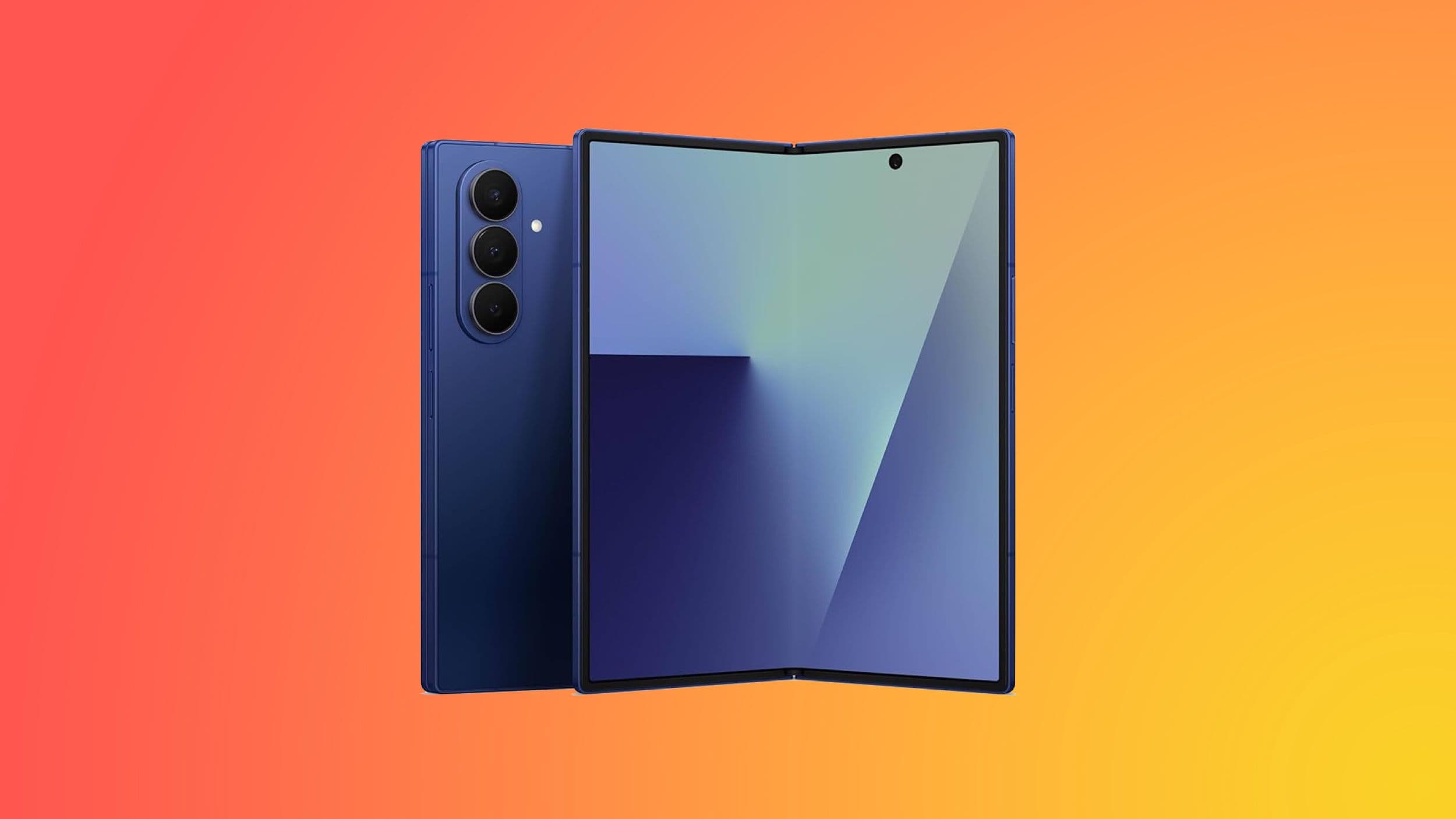
Samsung has quietly increased prices on nearly two dozen of its smartphones and tablets in the United States, raising fresh concerns that Apple might do the same with its devices.
The price hikes, which took effect without any prior notice, are largely due to a global shortage of memory chips. These chips are essential for storing apps, photos, and operating systems in every phone and tablet. This shortage is pushing up manufacturing costs across the consumer electronics industry, impacting not just Samsung.
What Samsung Actually Changed
Several Galaxy phones and tablets now feature higher prices in the U.S. market. While Samsung hasn’t provided a detailed list of the models affected or how much prices have increased, reports from MacRumors and CNET confirm around 24 products are impacted. CNET even suggested these increases might be “just the beginning,” hinting at more adjustments across the industry.
The timing is crucial. Samsung is a major memory chip manufacturer, meaning it both produces and uses these components. If Samsung feels pressured enough to increase prices, it indicates serious strain throughout the supply chain.
Why Apple Is Now in the Spotlight
Apple sources memory chips from Samsung and other suppliers, so it’s also feeling the effects of the shortage. Think of it like a bakery raising bread prices because flour costs have gone up — it doesn’t matter whose brand is on the loaf. If the essential ingredients get more expensive, it impacts everyone who bakes bread.
Apple usually absorbs cost increases for a product cycle or two before raising prices. However, with ongoing tariff pressures and the memory shortage, the window for adjustments has narrowed. While the company hasn’t announced any price changes yet, Samsung’s move makes us wonder about future pricing strategies.
| Samsung — Company Snapshot | |
|---|---|
| CEO | Jong-Hee Han |
| Headquarters | Seoul, South Korea |
| Founded | 1938 |
| Ticker | 005930.KS |
| Stock Price | ₩216,000 (−0.69%) |
| Sector | Hardware |
| Products Affected by Price Hike | ~24 Galaxy phones and tablets |
The Memory Shortage Explained
Memory chips, specifically DRAM (the fast, short-term memory for running apps) and NAND flash (the longer-term storage for files and photos), go through cycles of boom and bust. Currently, demand from AI data centers is consuming large amounts of high-end memory, which pulls manufacturing capacity away from chips used in consumer devices. With less supply but steady consumer demand, prices are rising.
This isn’t the first time a memory shortage has affected device pricing. A similar crunch from 2016 to 2018 led to noticeable price increases across the smartphone market.
What This Means for Everyday Users
If you’re due for an upgrade and already feeling shocked by current phone prices, the outlook isn’t great. Here’s what to keep in mind:
- Buying now may be smarter than waiting. If prices keep rising for Android and possibly iOS devices, today’s prices could look like a bargain in six months.
- Mid-range models might take a bigger hit. A $50 increase on a $400 phone represents a 12.5% jump, while the same increase on a $1,000 flagship is just 5%. Budget and mid-range shoppers often feel these changes more.
- Trade-in values could go up. When new device prices rise, demand for used and refurbished phones typically increases, which can lead to better offers from carriers and retailers for your old phone.
- Accessories and storage tiers might also change. Manufacturers sometimes react to chip costs by narrowing the price gap between base and higher-storage models, nudging buyers toward pricier options.
Community Reaction
“Samsung makes the memory chips AND the phones. If they’re raising prices on themselves, you know it’s bad.” — Reddit user in r/Android discussing the price increases
“Great, so now both the Android and Apple upgrades I was comparing are going to cost more. Guess I’m keeping my current phone another year.” — YouTube commenter on CNET’s coverage of the Samsung changes
What To Watch
- Apple’s next product announcements: Any new device reveal will be scrutinized for pricing signals. Even a $30–$50 increase on entry models would confirm that the trend is spreading.
- Samsung’s next earnings call: Executives usually address supply chain conditions and pricing strategy, offering a clearer view of how long these pressures might last.
- Memory chip spot market prices: Industry trackers like TrendForce release monthly estimates for DRAM and NAND prices. A sustained increase of 10% or more over the next two quarters would strongly suggest more consumer price hikes ahead.
- Tariff developments: The ongoing uncertainty in trade policy compounds the memory shortage. If import tariffs on electronics rise further, manufacturers could face a tough situation that might force them to pass costs onto consumers.

Ava Mitchell
Ava Mitchell is a digital culture journalist at Explosion.com covering social media platforms, streaming services, and the creator economy. With 4 years reporting on TikTok, Instagram, YouTube, and the apps that shape daily life, Ava specializes in explaining platform policy changes and their impact on everyday users. She previously managed social media strategy for a tech startup, giving her firsthand experience with the platforms she now covers.