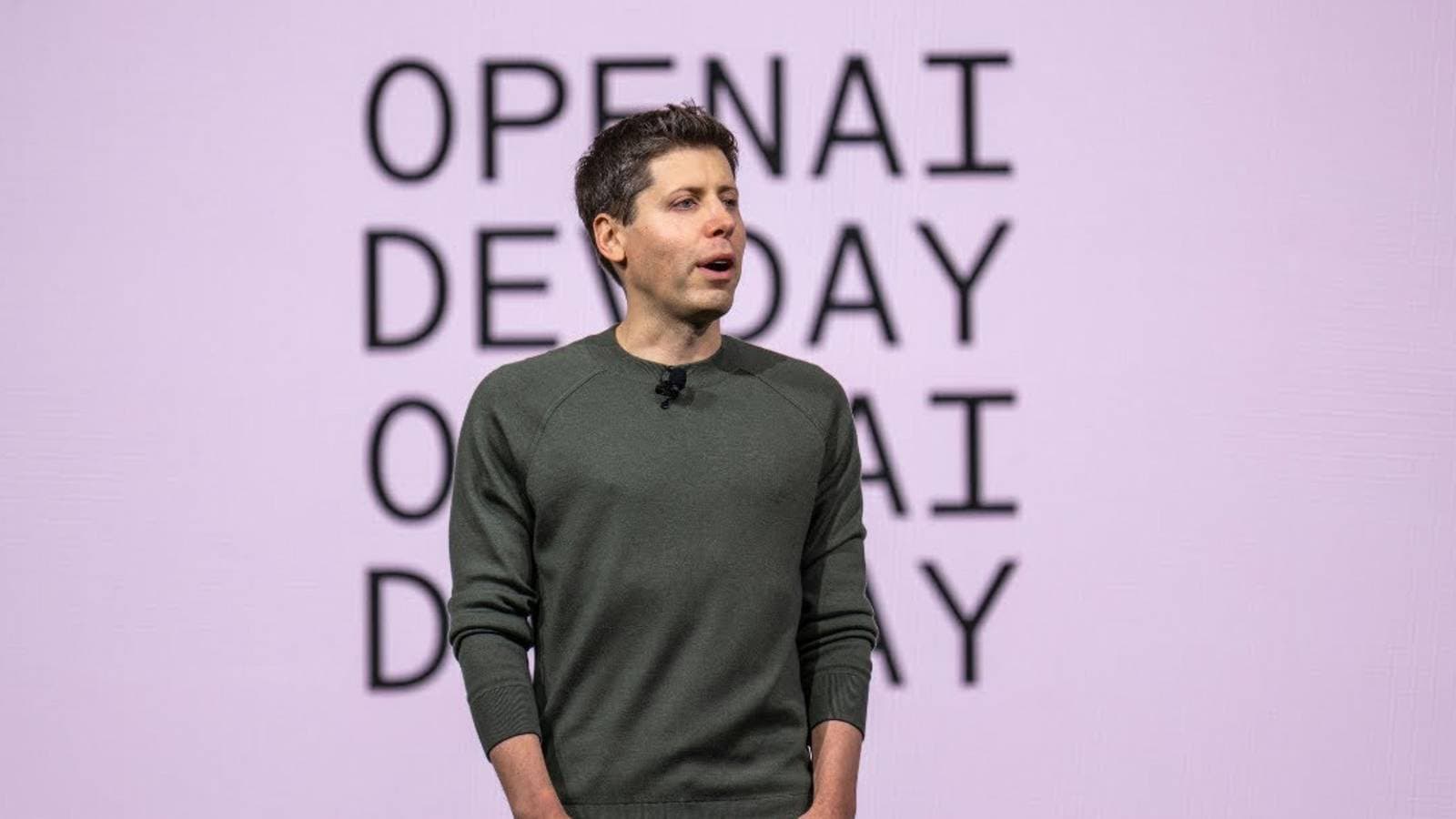
OpenAI has rolled out a new AI model called GPT-5.4-Cyber, designed specifically for cybersecurity. This model aims to assist defenders in protecting systems at scale rather than aiding attackers.
What Is GPT-5.4-Cyber?
GPT-5.4-Cyber is a refined version of OpenAI’s GPT model family. It’s been trained further on specialized data tailored for cybersecurity tasks. One of its key features is reverse engineering binaries. This means it takes compiled software code that computers execute and works backward to decipher what that code does. Imagine receiving a completed puzzle without a picture on the box and figuring out what the original image should be.
This task typically requires skilled security researchers hours or even days to complete. An AI that can accelerate this process may greatly enhance how quickly defenders react to threats.
This announcement follows closely behind rival AI company Anthropic’s introduction of its own cybersecurity model, Mythos, which reportedly collaborates with Apple. These back-to-back launches indicate that specialized AI models for distinct professional fields are becoming the next competitive edge in AI.
The shift toward narrow, purpose-trained AI is already visible in adjacent domains. Financial services teams, for instance, have been adopting tools like Frogo’s financial fraud prevention solution that target banking-specific threat patterns rather than relying on general-purpose models. Cybersecurity tooling appears to be following the same trajectory.
Built for Defenders, Not Attackers
OpenAI promotes GPT-5.4-Cyber as a resource for those focused on maintaining system security, not for those looking to breach it. The company envisions thousands of cybersecurity defenders leveraging this model. This framing is important. While the same capabilities that help defenders analyze malicious code could theoretically assist someone in creating it, how OpenAI manages access and monitors usage will be crucial.
Reverse engineering binaries is a fundamental skill in malware analysis, which involves studying harmful software, and in vulnerability research, where the goal is to discover security flaws before attackers do. Security teams from companies, government agencies, and independent researchers invest considerable time in this kind of analysis.
What This Means for Everyday Users
You likely won’t interact directly with GPT-5.4-Cyber. It’s mainly targeted at security professionals, not everyday consumers. However, its impact could be significant for everyone.
When malware strikes — whether it’s a ransomware attack on a hospital, a data breach at a store you frequent, or a vulnerability in software you rely on — the speed of the response hinges on how quickly defenders can grasp the situation. If AI can reduce analysis time from days to hours, or even hours to minutes, it could lead to quicker containment of breaches and less exposure of personal data.
Think of it like a fire department that has to figure out a building’s layout while smoke fills the air, versus one that has the blueprints ready before they enter. GPT-5.4-Cyber aims to help defenders get those blueprints in hand faster.
The Dual-Use Problem
Any tool that’s powerful enough to aid defenders can, by its nature, also assist attackers. This tension isn’t new to AI; it’s something we’ve seen with search engines, programming tools, and even chemistry textbooks. However, AI models capable of reverse engineering code and analyzing vulnerabilities operate at a level that raises the stakes quite a bit.
OpenAI hasn’t provided specifics on access controls or usage policies for GPT-5.4-Cyber yet. How the company addresses these issues will likely influence how the security community receives the tool and how regulators respond.
| OpenAI: By The Numbers | |
|---|---|
| Founded | 2015 |
| Headquarters | San Francisco, CA |
| CEO | Sam Altman |
| Sector | Artificial Intelligence |
| Model | GPT-5.4-Cyber |
| Focus | Defensive cybersecurity |
| Target Users | Thousands of security defenders |
What the Community Is Saying
Reactions online have varied. Some security experts immediately see potential in the model, while others express doubts about OpenAI’s ability to prevent misuse.
“This is either going to be the best thing to happen to the blue team [defensive security workers] in years or a disaster waiting to happen depending entirely on how they handle access. Cautiously optimistic.”
— Reddit user via r/netsec
“Anthropic dropped Mythos last week, now OpenAI is doing cyber-specific models. The general-purpose AI race is turning into a vertical software race and that’s actually kind of exciting for specialized fields.”
— YouTube comment on 9to5Mac’s coverage
What To Watch
- Access policy details: OpenAI hasn’t released full guidelines on who can use GPT-5.4-Cyber and any applicable restrictions. This announcement will be crucial for understanding if the tool reaches the “thousands of defenders” the company aims for.
- Anthropic’s Mythos comparison: Independent security researchers will likely evaluate both models once access is granted. Direct comparisons will clarify which tool proves more effective in real-world security tasks.
- Regulatory attention: Specialized AI models with offensive capabilities are catching the eye of U.S. and EU regulators. Any significant incident linked to AI-assisted hacking, regardless of the tool’s intended use, could speed up policy responses.
- Broader model family: The “5.4” version number hints that this is part of a larger release strategy. Additional specialized versions for other professional sectors might follow.
Sources

Maya Torres
Maya Torres is the Consumer Tech Editor at Explosion.com with 7 years covering product launches for major technology publications. She has reviewed over 300 devices across smartphones, laptops, wearables, and smart home products. Maya specializes in translating spec sheets into real-world buying advice and attends CES, MWC, and Apple keynotes as press. Her reviews focus on helping readers decide what to buy, not just what specs look good on paper.