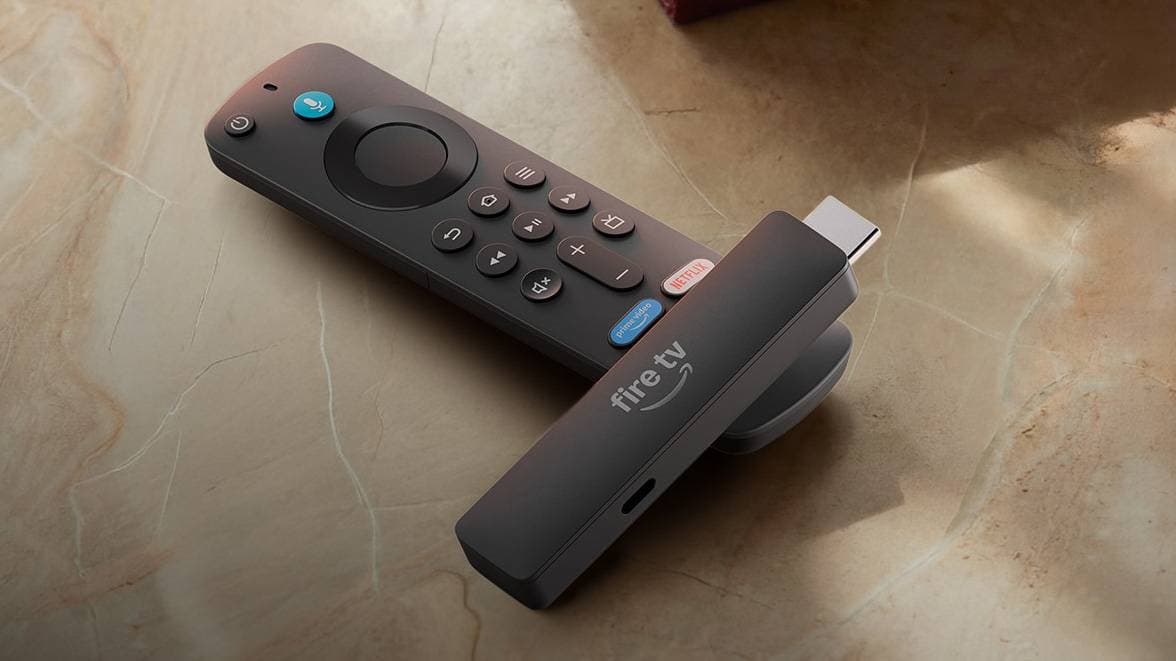
Amazon has introduced a revamped Fire TV Stick HD, which is 30 percent thinner than the previous model. It eliminates the power adapter and runs on Amazon’s new Vega OS, all for $34.99.
You can preorder the device now, with shipments expected to start by the end of April 2026, according to CNET. Alongside the streaming stick, Amazon has also opened preorders for its Ember Artline television lineup.
What’s Actually New
The main change here is its design. Amazon calls this its slimmest streaming device ever. This redesign fixes a common issue for anyone with a crowded TV port: the new stick draws power directly from your TV’s USB port, meaning no separate power brick is needed. It’s like powering your phone from a laptop instead of searching for an outlet.
Internally, the device operates on Vega OS, Amazon’s latest operating system for Fire TV hardware. This new OS offers a refreshed interface, but there’s one important limitation for advanced users: XDA Developers reports that the stick is locked to Amazon’s app store. So, sideloading—installing apps from outside the official store—won’t be possible. If an app isn’t in Amazon’s store, you can’t install it at all.
Ember Artline TVs Join the Party
In addition to the Fire TV Stick, Amazon has also launched preorders for its Ember Artline TV series. These TVs are designed to blend into your living room decor when not in use, similar to Samsung’s Frame TV. Pricing and sizes will be revealed as the preorder period continues, but Amazon is clearly aiming to expand its presence in the hardware-as-home-decor market.
| CEO | Andy Jassy |
|---|---|
| Headquarters | Seattle, WA |
| Founded | 1994 |
| Stock (AMZN) | $248.70 (-0.13%) |
| Fire TV Stick HD Price | $34.99 |
| Thinner Than Previous Gen | 30% |
| Ships By | End of April 2026 |
| OS | Vega OS |
What This Means for Everyday Users
If you’re a casual streamer who uses Netflix, Prime Video, Disney+, or YouTube, this device covers all your needs at a very reasonable price. The removal of the wall plug is a real convenience. It leads to fewer cables, a cleaner setup behind your TV, and no more searching for a free outlet on a packed power strip.
However, the restriction on sideloading is a real drawback for anyone who relied on that feature. Many used it to install apps that Amazon doesn’t offer or to run custom media players. With Vega OS locking out that option, the new Fire TV Stick HD feels more closed off than its predecessor. It’s a trade-off: you get a sleeker device that works well within Amazon’s ecosystem, but it loses some flexibility outside that ecosystem.
For most users, this won’t be an issue. But if you’ve used your Fire Stick for apps that aren’t officially supported by Amazon, The Verge notes that this redesign involves real trade-offs you should consider before upgrading.
Community Reaction
Feedback online has been mixed. People are praising the hardware changes, but many are criticizing the software restrictions.
“The no power adapter thing is actually huge for me. My TV stand is a cable disaster, and this fixes like half of it.”
— u/CordCutter_Mark, Reddit r/fireTV
“So they made it thinner and then removed the one feature that made it better than a Roku. Hard pass until they fix the sideloading situation.”
— YouTube comment on Amazon’s Fire TV announcement video
What To Watch
- End of April 2026: The new Fire TV Stick HD starts shipping to preorder customers. Expect real-world performance reviews soon after.
- Vega OS updates: Amazon hasn’t confirmed if sideloading might return in a future software update or if this lockdown is here to stay. The developer community’s response will be interesting to watch.
- Ember Artline pricing: Full details on the Ember Artline TV lineup, including sizes and prices, should come out as the preorder period continues.
- Competitor response: Roku and Google’s Chromecast with Google TV are direct competitors in this price range. It’ll be worth seeing if either brand introduces updates in reaction.

Daniel Park
Daniel Park covers AI, cloud infrastructure, and enterprise software for Explosion.com. A former software engineer who transitioned to technology journalism 5 years ago, Daniel brings technical depth to his reporting on artificial intelligence, startup funding rounds, and the companies building the future of computing. He breaks down complex AI developments and business strategies into clear, actionable insights for readers who want to understand how technology is reshaping industries.