
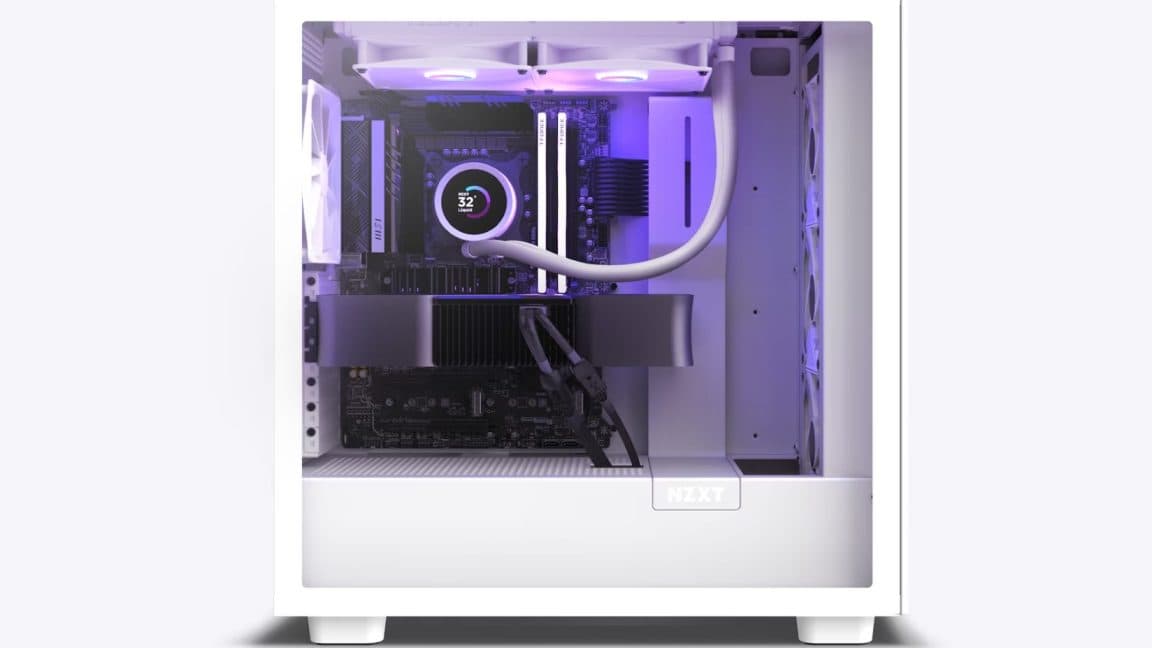
NZXT has reached a $3.45 million class-action settlement that allows customers from its contentious Flex rental PC program to keep their computers and have up to $5,000 in outstanding debt forgiven, as reported by Ars Technica.
What Was the NZXT Flex Program?
NZXT, known for its PC cases and gaming hardware, introduced the Flex program as a subscription model for renting a gaming PC. It’s similar to leasing a car, but for a desktop computer. Customers paid a monthly fee to use a system built by NZXT, with the option to eventually own it or upgrade to a newer model.
The program faced criticism right from the start. Critics highlighted that the total cost over a typical subscription period far exceeded the actual market value of the hardware. Many customers found the ownership and debt terms confusing. This led to a class-action lawsuit claiming the program harmed consumers.
What the Settlement Covers
According to the agreement, NZXT will wipe out balances up to $5,000 for Flex customers still owing money on their rentals. Customers can also keep the physical PCs they rented instead of returning them.
The $3.45 million settlement fund aims to support a variety of affected customers. The debt forgiveness is a big win for anyone stuck making payments on hardware they may have already been using for months or even years.
| Total Settlement Fund | $3.45 million |
|---|---|
| Maximum Debt Forgiven Per Customer | $5,000 |
| Customer Outcome | Allowed to keep rented PCs |
| Case Type | Class-action lawsuit |
Why This Became Such a Flashpoint
The Flex program highlighted a real issue in the PC gaming community. Building or buying a decent gaming PC has become pricey, with mid-range systems often costing between $800 and $1,500 or more. A subscription model might sound appealing, especially for younger gamers who can’t afford such a hefty upfront cost.
However, consumer advocates and gaming communities strongly criticized the pricing structure. When you added up the monthly payments over a typical contract, customers often ended up paying much more than the retail price for the same hardware. The unclear ownership terms made matters worse. Some customers were unsure whether they would actually own the machine or what would happen if they missed a payment.
Subscription hardware models are still relatively new, and regulators are figuring out the rules. This settlement might set a standard for how similar programs will be evaluated in the future.
Community Reaction
“This program was predatory from day one. The math never made sense unless you had literally no upfront cash and no access to financing. Glad people are getting their machines.”
— u/PCMasterRaceVet, Reddit (r/buildapc)
“NZXT makes solid hardware, but this was a weird move for them. Hope they stick to what they’re actually good at going forward.”
— YouTube commenter on Linus Tech Tips Flex program coverage
What This Means for You
If you were a Flex subscriber with an outstanding balance, this settlement is particularly relevant. Debt up to $5,000 might be forgiven, and you won’t need to return the hardware you’ve been using. If you’re not in the program, this serves as a good reminder to read the fine print on any subscription hardware deals, not just the appealing monthly rate.
More broadly, this case shows that courts are ready to examine rent-to-own and subscription PC programs closely, similar to how they investigate predatory lease agreements in other industries. Companies launching similar programs will likely need to clarify ownership terms and total costs right from the start.
For NZXT, this settlement wraps up a chapter that hurt its reputation among PC enthusiasts. The company enjoys a loyal following for its cases and cooling hardware. Moving past the Flex controversy gives it a chance to win back goodwill with that audience.
What To Watch
- Settlement claims process: Affected Flex customers should look out for official notice from the settlement administrator on how to submit a claim or confirm their debt forgiveness.
- Court approval: Class-action settlements need a judge’s final approval to take effect. Keep an eye on that ruling in the coming weeks or months.
- Industry response: Other companies offering subscription or rent-to-own hardware might quietly revise their terms as a result of this outcome.
- NZXT’s next steps: It’ll be interesting to see whether NZXT tries a revised version of a hardware subscription program or exits that space altogether in the next product cycle.
Sources: Ars Technica

Ava Mitchell
Ava Mitchell is a digital culture journalist at Explosion.com covering social media platforms, streaming services, and the creator economy. With 4 years reporting on TikTok, Instagram, YouTube, and the apps that shape daily life, Ava specializes in explaining platform policy changes and their impact on everyday users. She previously managed social media strategy for a tech startup, giving her firsthand experience with the platforms she now covers.


