Dozens of civil liberties organizations have sent a letter to Meta CEO Mark Zuckerberg, urging the company to drop its plans for adding facial recognition to its Ray-Ban smart glasses. They warn that this feature could provide stalkers, abusers, and predators with a powerful tool to identify strangers in public without their knowledge or consent.
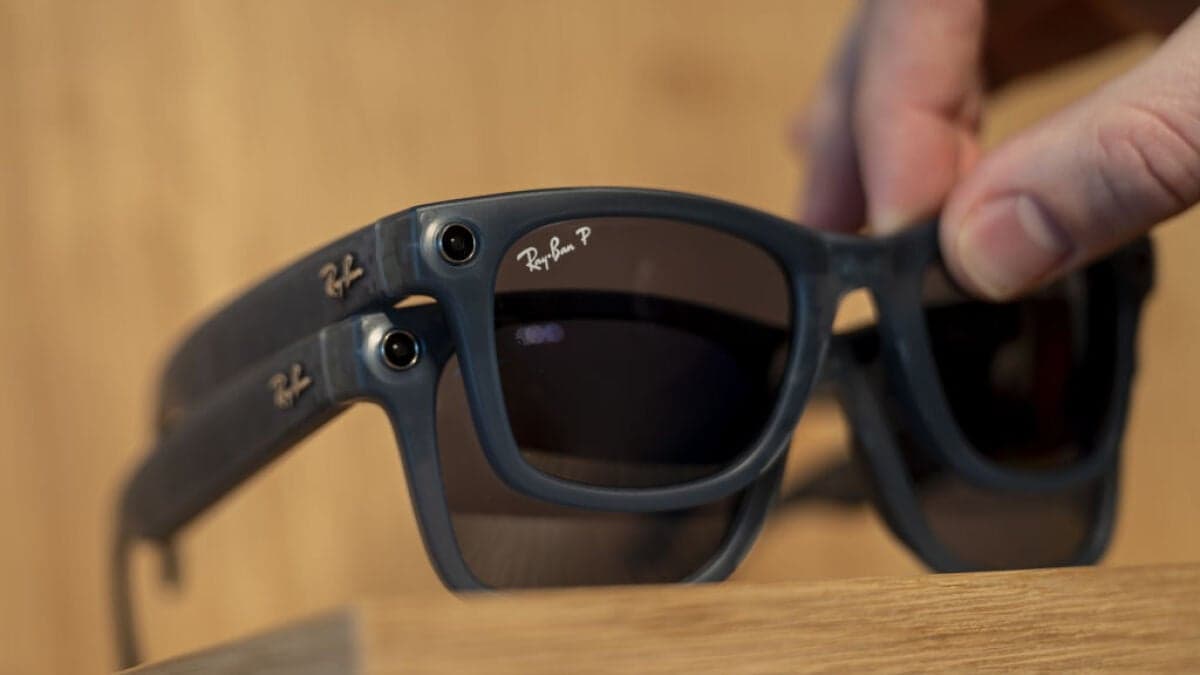
The letter, organized by the ACLU of Massachusetts and signed by many groups, follows reports that Meta is developing facial recognition capabilities for its Ray-Ban Meta smart glasses. These wearable cameras already allow users to livestream and take photos discreetly, without attracting much attention.
What Facial Recognition on Glasses Would Actually Do
Facial recognition on smart glasses would scan faces within the camera’s view and cross-reference them against a database to identify individuals in real time. Imagine it as a continuous reverse image search aimed at people walking down the street.
This concern is real and pressing. In 2024, two Harvard students showcased the dangers of this technology. They created a system called I-XRAY that combined Meta’s Ray-Ban glasses with facial recognition software. This allowed them to identify strangers on the street and retrieve their name, address, and phone number within seconds — all without the person being aware it was happening.
The organizations behind the letter argue that integrating such a capability into Meta’s glasses, which already look discreet and don’t resemble recording devices, would essentially hand a surveillance tool to anyone who wears them.
Who Signed and What They’re Asking For
This coalition includes the ACLU of Massachusetts and numerous civil rights, privacy, and digital rights organizations. Their letter to Zuckerberg requests Meta commit to three things: never implementing facial recognition in the glasses, being transparent about the biometric data (personal data linked to physical traits like facial features) the glasses currently collect, and supporting laws that limit facial recognition use in public spaces.
The groups specifically highlighted the risks for domestic violence survivors, who may have relocated to avoid being found by abusive ex-partners. Smart glasses equipped with facial recognition would make maintaining such safety measures much harder.
Meta’s Position
Meta hasn’t publicly confirmed or detailed its plans for facial recognition in the Ray-Ban glasses. The company faced backlash over its previous facial recognition practices on Facebook, which it discontinued in 2021 after settling privacy lawsuits. As part of those settlements, the company paid $650 million to resolve a class-action lawsuit in Illinois.
| Meta — By The Numbers | |
|---|---|
| Stock (META) | $662.49 (+4.41%) |
| CEO | Mark Zuckerberg |
| Founded | 2004 |
| Headquarters | Menlo Park, CA |
| Facebook facial recognition settlement (2021) | $650 million |
| Organizations signing the new letter | Several dozen |
What This Means for Everyday Users
If you own Meta’s Ray-Ban glasses or are thinking about getting them, you should keep an eye on this debate. Currently, the glasses can take photos and videos but can’t identify who they’re looking at. Adding facial recognition would take things to a whole new level.
For those not wearing the glasses, the implications are just as serious. You wouldn’t know if someone nearby in a coffee shop or on public transport is scanning your face with a recognition system. Unlike a phone camera, which most people recognize, smart glasses don’t signal to bystanders that recording or scanning is happening.
This technology gap creates a serious power imbalance. One person having far more information about another, often without the latter’s awareness, raises significant concerns. The organizations behind the letter argue this poses a particular danger for vulnerable individuals, including stalking victims and domestic abuse survivors, as well as anyone trying to maintain a low profile online.
Community Reaction
“The moment I saw that Harvard demo last year, I knew this was coming. It’s not a question of if; it’s when someone does this maliciously at scale.”
— Reddit user on r/privacy
“People already don’t notice when someone’s recording with these glasses. Add face ID, and you’ve basically built a stalker device and sold it at Best Buy.”
— YouTube comment on Engadget’s coverage
What To Watch
- Meta’s response to the letter: The company hasn’t replied yet. Any official statement from Zuckerberg or a Meta spokesperson will indicate how seriously the company is taking the coalition’s demands.
- Legislative movement: Several U.S. states have biometric privacy laws like Illinois’ BIPA (Biometric Information Privacy Act), which was the basis for the $650 million Facebook settlement. More states are considering similar legislation, and federal proposals have been discussed in Congress.
- Ray-Ban Meta software updates: Keep an eye on Meta’s developer and product announcements for mentions of new camera or identification features for existing glasses hardware.
- European regulatory response: The EU’s AI Act includes restrictions on real-time facial recognition in public spaces. If Meta attempts to add this feature, it would likely attract scrutiny from European regulators.
Sources: Mashable | Engadget | ACLU of Massachusetts (Full Letter)

Maya Torres
Maya Torres is the Consumer Tech Editor at Explosion.com with 7 years covering product launches for major technology publications. She has reviewed over 300 devices across smartphones, laptops, wearables, and smart home products. Maya specializes in translating spec sheets into real-world buying advice and attends CES, MWC, and Apple keynotes as press. Her reviews focus on helping readers decide what to buy, not just what specs look good on paper.