A startup named Nomadic has secured $8.4 million to tackle a major issue in self-driving technology: handling the massive amounts of video and sensor data generated by autonomous vehicles every time they’re on the road.
The Problem Nobody Talks About
Self-driving cars and delivery robots act like mobile data centers. Each journey creates hours of camera footage, radar signals, and sensor information. The challenge? That raw footage is almost worthless on its own. Engineers need to pinpoint specific moments, such as a pedestrian unexpectedly stepping off a curb or a robot misinterpreting a stop sign. Currently, sifting through all that information manually is slow, costly, and tough to scale.
Nomadic’s solution is a deep learning model—an AI system trained on extensive data to identify patterns. This model automatically transforms raw footage from autonomous vehicles into structured, searchable datasets. Imagine converting a huge stack of unlabeled home videos into a fully indexed library where you can search for “show me every clip where a cyclist appeared in the rain.”
Why This Funding Round Matters Now
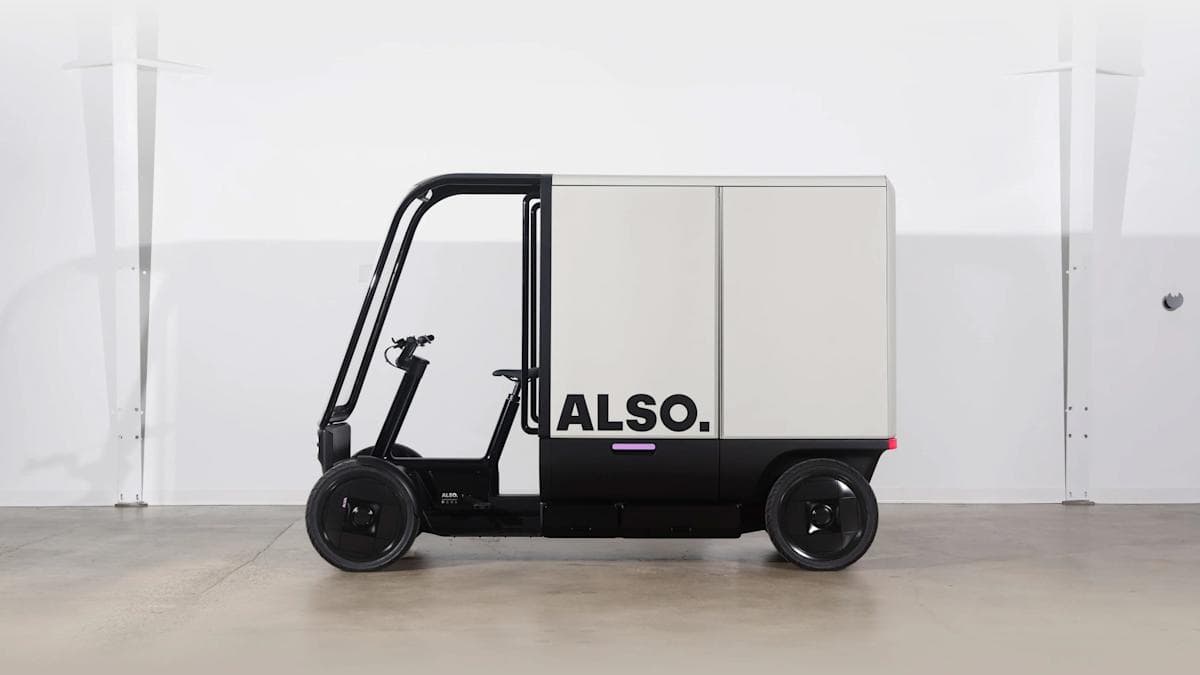
The timing of this funding isn’t coincidental. The autonomous vehicle industry is growing rapidly, and the data problem is expanding right along with it. Just this week, Rivian’s spinoff, Also, announced a strategic partnership with DoorDash to create autonomous delivery vehicles, backed by a $200 million funding round. This brings Also’s total funding to over $500 million. More robots on the roads mean more data coming in—and a heightened need for tools to make sense of it all.
Nomadic aims to be the foundational software that supports this industry growth. Instead of building the robots, they want to provide the software that every robotics and AV company will rely on to manage what those robots see and learn.
| Metric | Detail |
|---|---|
| Nomadic funding raised | $8.4 million |
| Also (Rivian spinoff) latest round | $200 million |
| Also total funding to date | $500+ million |
| Also partnership announced | DoorDash autonomous delivery vehicles |
How Nomadic’s Technology Actually Works
The core product processes unstructured video feeds—raw recordings from cameras on robots or vehicles—through its deep learning model. This model tags, categorizes, and indexes everything it detects. The outcome is a searchable database of driving scenarios that engineers can utilize when training or testing their autonomous systems.
This is crucial since training a self-driving system requires thousands of examples of particular situations. Need 10,000 examples of a vehicle approaching a four-way stop in heavy rain? You need a quick way to find those clips among millions of hours of footage. Nomadic’s claim is that it can do this automatically, saving time and money compared to manual review.
What This Means for Everyday Users
You probably won’t interact with Nomadic directly. However, if you order food from a DoorDash autonomous robot or ride in a self-driving vehicle, the safety and reliability of that experience partly rely on how well the company behind it trained its AI. Better data tools lead to quicker iterations, which translates to safer and more capable robots reaching consumers faster. Nomadic essentially builds the underlying systems that make the entire autonomous vehicle industry run more smoothly.
The DoorDash and Also partnership exemplifies where all this is headed. As delivery robots start showing up in more cities, the companies operating them will need to constantly enhance their systems based on real-world performance data. That feedback loop only works if the data is organized and usable—just the gap Nomadic aims to fill.
Community Reaction
“The unsexy infrastructure plays are always the ones that actually make money in a new industry. Everyone wants to build the robot, but nobody wants to build the data pipeline—until someone does and charges everyone else for it.”
“This is actually a massive problem in robotics right now. We generate terabytes per vehicle per day, and the tooling to manage it is still stuck in 2018.”
What To Watch
- Also x DoorDash rollout: The partnership was announced this week, but no specific deployment date is set. Keep an eye out for city-by-city pilot announcements in the coming months as Also transitions from vehicle development to real-world delivery operations.
- Nomadic customer announcements: With $8.4 million in new funding, expect Nomadic to announce its first major AV or robotics customers in the next two to three quarters. The names on that client list will indicate how seriously the industry is addressing the data management issue.
- Broader AV data regulation: As autonomous vehicles gather more footage of public spaces and private properties, regulators are starting to ask tough questions about data storage and usage. Any new regulations in this area could directly impact what companies like Nomadic can do with the footage they process.
Sources: TechCrunch: Nomadic raises $8.4 million | TechCrunch: Rivian spinoff Also and DoorDash | Engadget: DoorDash and Also partnership

Ava Mitchell
Ava Mitchell is a digital culture journalist at Explosion.com covering social media platforms, streaming services, and the creator economy. With 4 years reporting on TikTok, Instagram, YouTube, and the apps that shape daily life, Ava specializes in explaining platform policy changes and their impact on everyday users. She previously managed social media strategy for a tech startup, giving her firsthand experience with the platforms she now covers.