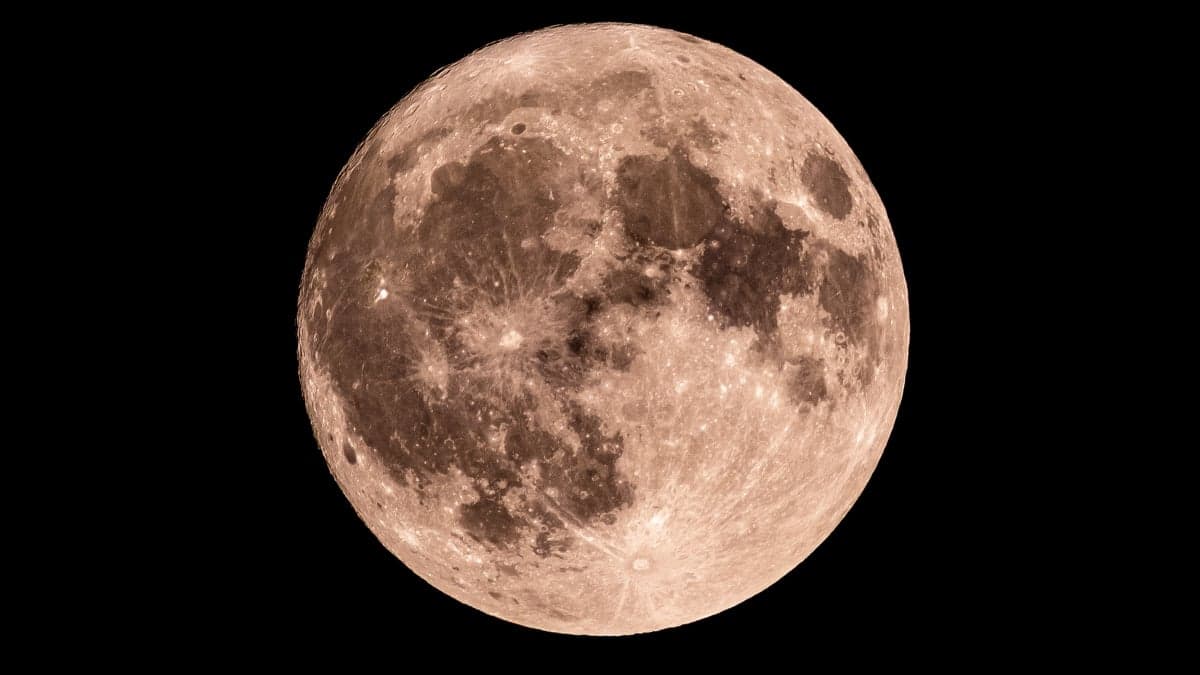
On Halloween night, Saturday, October 31, 2026, the Moon will appear as a waning gibbous, which means it’s more than half lit but gradually shrinking each night. According to Mashable’s Moon phase guide, it will be about 70% illuminated, just five days after October’s Full Moon.
What the Moon Looks Like on October 31
Think of the Moon’s monthly cycle as a flashlight slowly turning away from you. During a Full Moon, the sunlit side faces Earth directly. Over the next two weeks, that lit side turns away from us, so we see less of it each night.
On Halloween, the Moon will be a bit over halfway through this fading process. You’ll see a bright, mostly round Moon with a darker sliver on its left edge (from the Northern Hemisphere’s perspective). It won’t be a spooky thin crescent or a fully glowing Full Moon; it’ll be something in between.
When to Look
The waning gibbous Moon rises later in the evening. A Full Moon typically rises around sunset. About five nights later, it rises roughly three to four hours after sunset, depending on your location. So, expect the Moon to be below the horizon during early trick-or-treating. Look for it climbing in the eastern sky later in the evening, and it’ll be high overhead after midnight. Use a local sky app for precise rise times in your area.
By The Numbers
| Detail | Value |
|---|---|
| Date | Saturday, October 31, 2026 |
| Moon phase | Waning gibbous |
| Approximate illumination | About 70% |
| Most recent Full Moon | October 26, 2026 (approx.) |
| Next Full Moon | November 24, 2026 (approx.) |
| Full cycle length | About 29.5 days |
What This Means
If you’re planning to spend Halloween night outside, here’s what to expect:
- Early evening will be quite dark. Since the Moon rises after sunset, don’t rely on it for lighting up the streets for trick-or-treaters. Bring a flashlight.
- Late-night activities get a bonus. If you’re going to a party, bonfire, or late stroll, the Moon will be up and bright enough to cast shadows.
- Your photos will look different from a Full Moon. A gibbous Moon reveals more surface detail along the dark edge, where shadows highlight craters and mountains. Keep your phone steady or brace it against a wall, and tap the Moon on-screen to lower the exposure so it doesn’t turn into a white blob.
- The clocks change right after. In the U.S., daylight saving time ends on Sunday, November 1, giving you an extra hour of Saturday night’s sky.
Why the Moon Changes Shape
The Moon doesn’t emit its own light; it reflects sunlight. Half of it is always lit, but what changes is how much of that lit half faces us as it orbits Earth. This trip takes about 29.5 days. Gibbous phases, which occur between a half Moon and a Full Moon, make up roughly half of each cycle, making them quite common.
A Quick Tech Aside
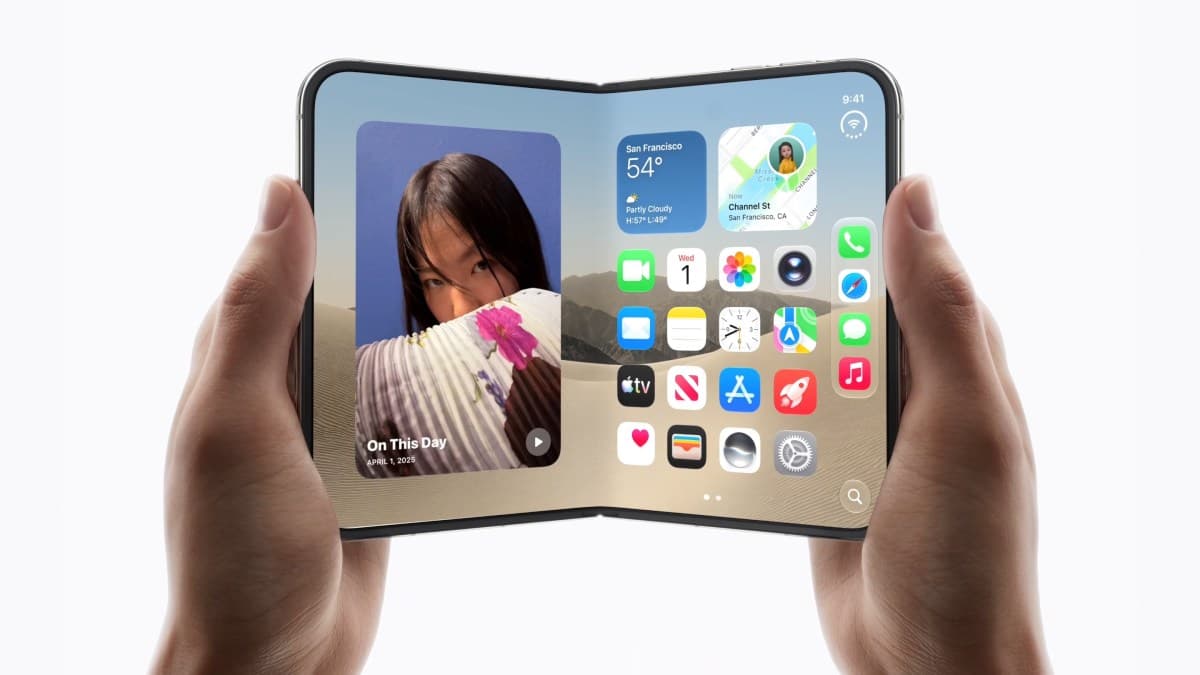
If you’re considering photographing the Moon with a new phone, durability might be on your mind as well. CNET recently tested a foldable device, showcasing how the iPhone Duo’s crease looks after 139,000 folds. Though it’s unrelated to the Moon, it serves as a reminder that foldable phones are undergoing real-world testing.
What To Watch
- November 1: Daylight saving time ends in the U.S., shifting moonrise and sunset times an hour earlier on the clock.
- Early November: The Moon should hit its last quarter (half lit) shortly after Halloween, then continue shrinking toward a thin crescent.
- Around November 9: The New Moon will occur, making the Moon nearly invisible. This dark sky will be perfect for stargazing.
- Around November 24: The next Full Moon, according to the current lunar calendar.
Exact times may vary by location and source, so check Mashable’s Moon phase page or a local astronomy app for details specific to your time zone.

Daniel Park
Daniel Park covers AI, cloud infrastructure, and enterprise software for Explosion.com. A former software engineer who transitioned to technology journalism 5 years ago, Daniel brings technical depth to his reporting on artificial intelligence, startup funding rounds, and the companies building the future of computing. He breaks down complex AI developments and business strategies into clear, actionable insights for readers who want to understand how technology is reshaping industries.